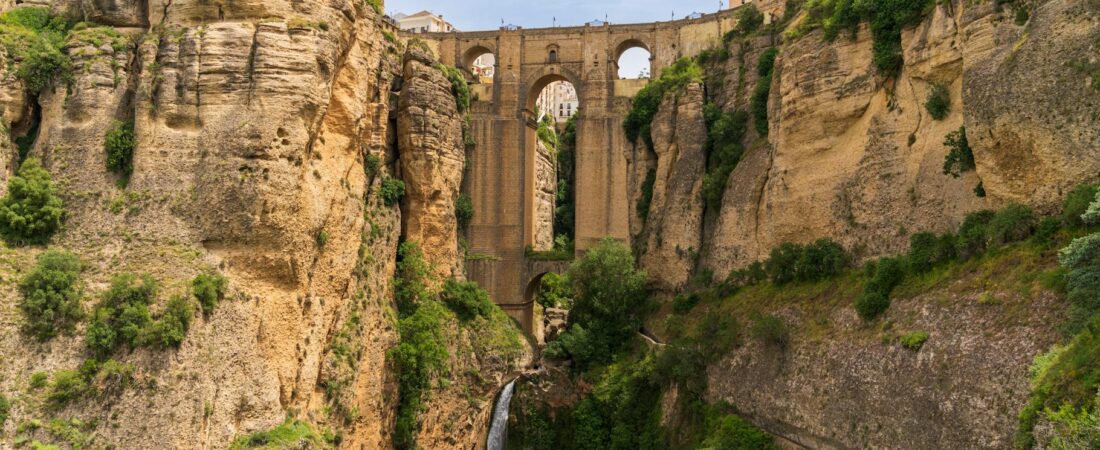
Spain is famous for its crowded city plazas and popular coastlines, but the most rewarding experiences happen away from the usual tourist trail. You’ll find that the true character of the country reveals itself in quiet mountain villages and remote natural parks that receive very little international attention. Quick version: This guide highlights secret spots in Spain, from dramatic northern cliffs to southern desert landscapes, perfect for travelers seeking peace and authentic local life.
- Best months to visit: May, June, September, and October for mild temperatures.
- Daily budget: 80 to 120 Euros per person (prices may vary – check before you go).
- Ideal trip length: 10 to 14 days to cover multiple regions.
- Transport: Renting a car is essential for reaching these remote areas.
- Tactical tip: Download offline maps for rural GPS navigation before leaving major cities.
What are the best hidden gems in Spain for nature lovers?
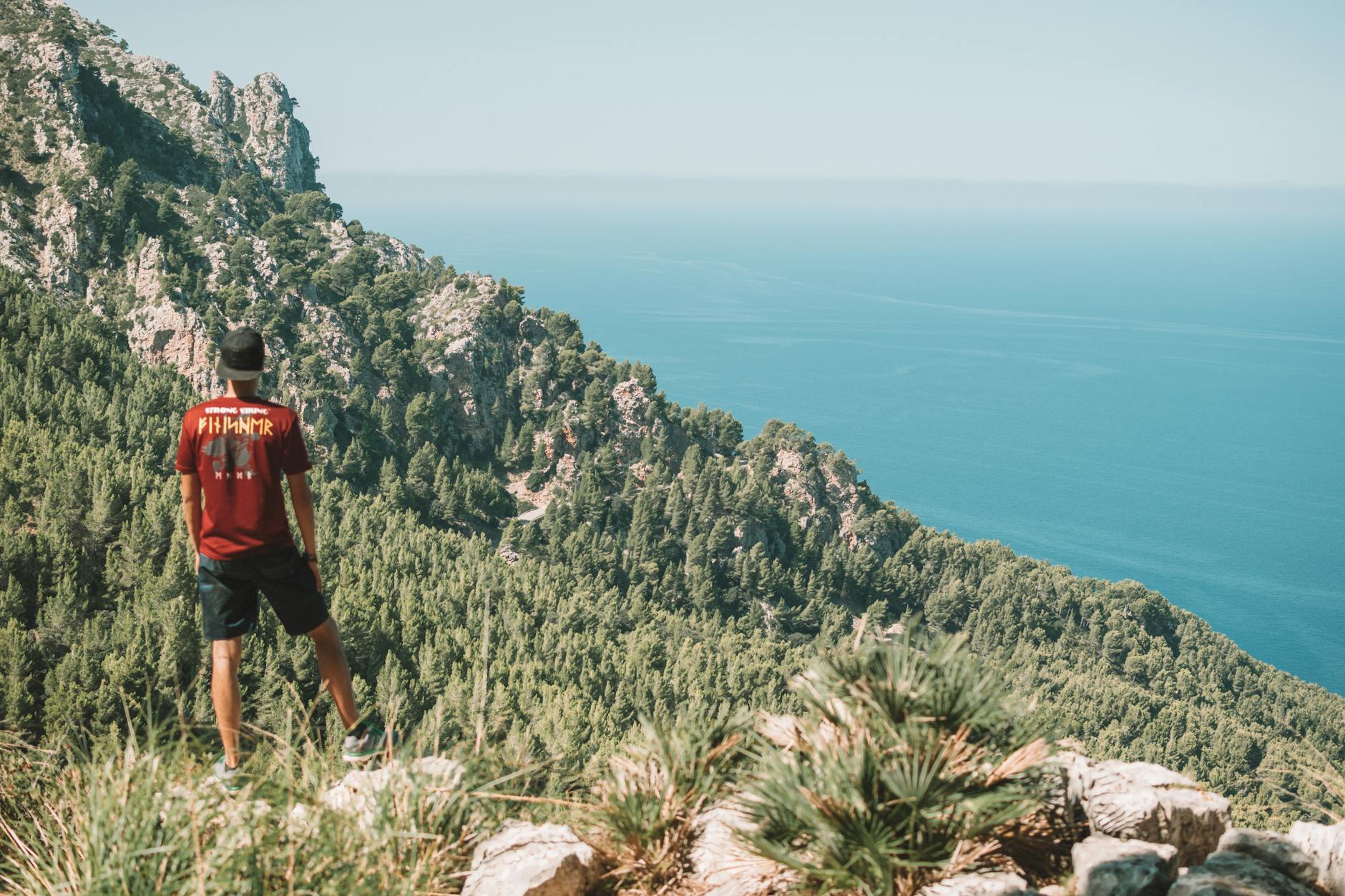
The best hidden gems in Spain for nature lovers include the Picos de Europa mountain range, the desert landscapes of Bardenas Reales, and the rugged coastline of the Costa da Morte. These locations offer vast open spaces, hiking trails, and unique geological formations that remain untouched by mass tourism trends. You’ll find that these areas provide a much deeper connection to the Spanish landscape than conventional beach resorts.
The Dramatic Cliffs of Costa da Morte
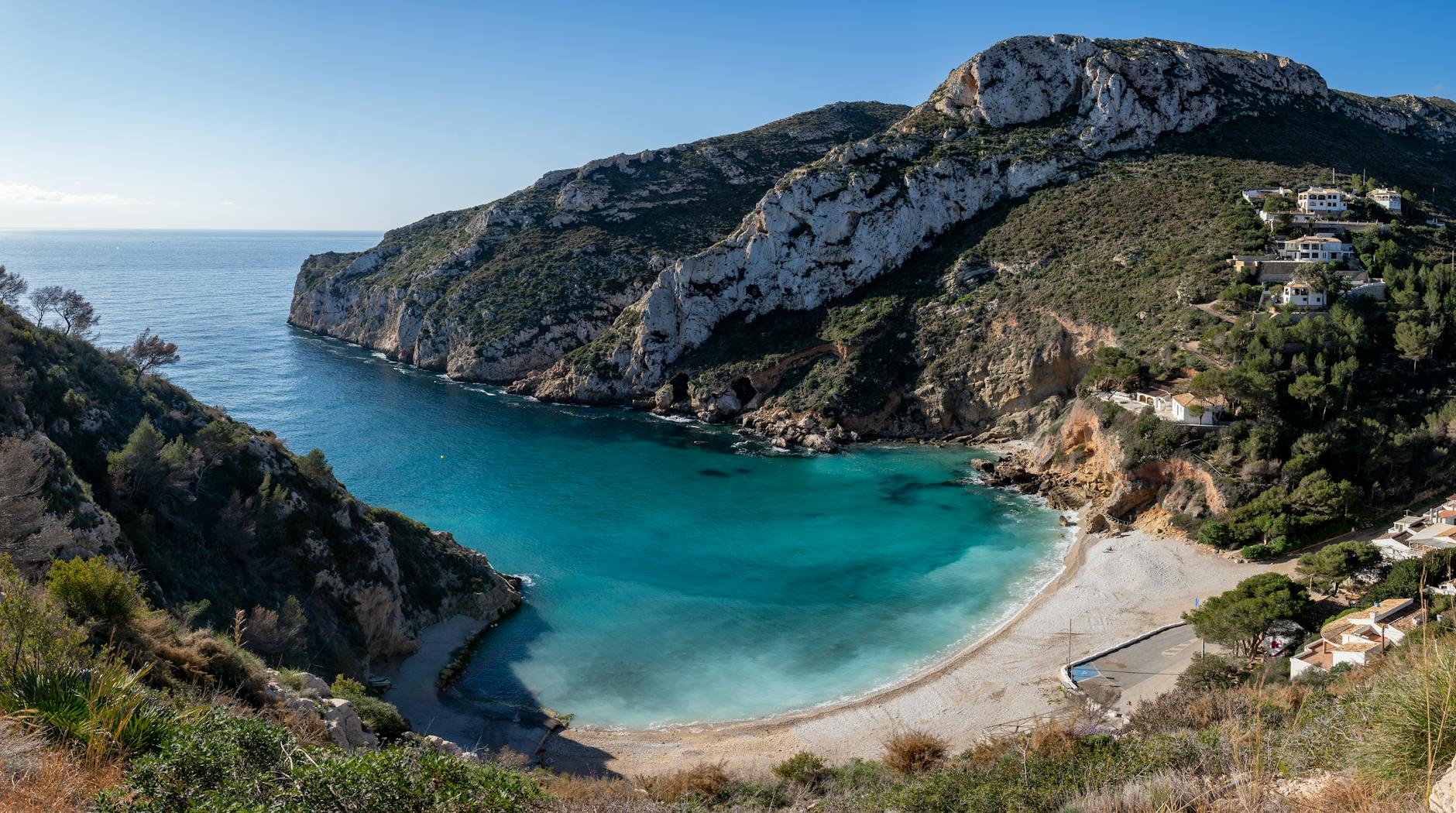
Located in Galicia, the Costa da Morte remains one of the most untamed stretches of coastline in Europe. You’ll see jagged granite cliffs crashing against the Atlantic Ocean with incredible power. Start your exploration in Muxia, where you can walk along the coastal paths to see the lighthouse and the surrounding rocky peninsula.
Unlike the southern coasts, this region stays cool and misty even throughout the summer months. Pack a waterproof windbreaker and comfortable hiking shoes, as the terrain requires sturdy gear for the best views. You should plan to spend at least two days here to fully appreciate the dramatic atmosphere of this remote edge of the world.
The Lunar Landscape of Bardenas Reales
Situated in Navarre, this semi-desert landscape looks like another planet entirely. You’ll find eroded clay canyons, plateaus, and strange rock formations shaped by centuries of wind and water. It’s a protected nature reserve, meaning you must stick to the marked trails to preserve the delicate ecosystem.
You can drive the 20-kilometer loop road that takes you through the most impressive sections of the park. If you prefer to walk, the Piskerra trail offers a moderate three-hour loop with incredible vantage points. Make sure to bring plenty of water, as there are zero services inside the park boundaries.
The Village of Albarracin
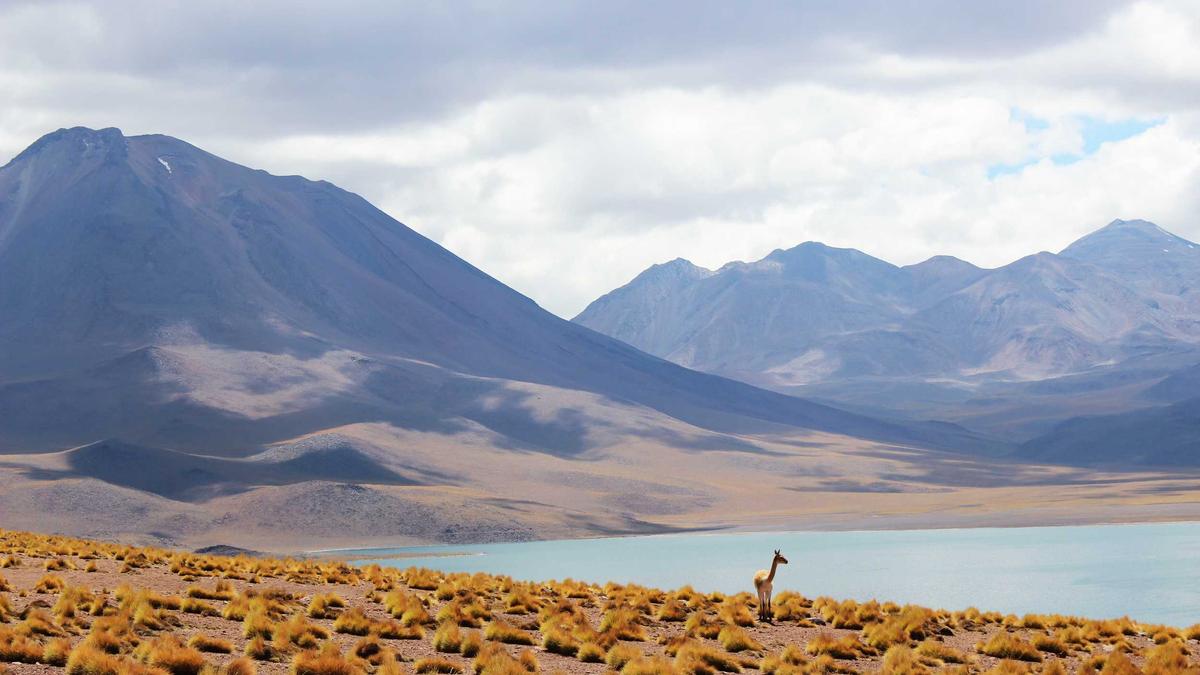
Tucked into the hills of the Aragon region, Albarracin feels frozen in time with its narrow, winding streets and medieval architecture. The town is built into a steep cliffside overlooking the Guadalaviar River. You’ll spend hours just wandering the stone pathways and observing the traditional red-plaster houses that define the local aesthetic.
Because the town is quite small, you only need one or two days to see everything. Stay in a local guesthouse to experience the quiet evening atmosphere once the day-trippers leave. Explore these budget-friendly travel tips to make your stay even more affordable during the peak season.
The Natural Pools of Garganta de los Infiernos
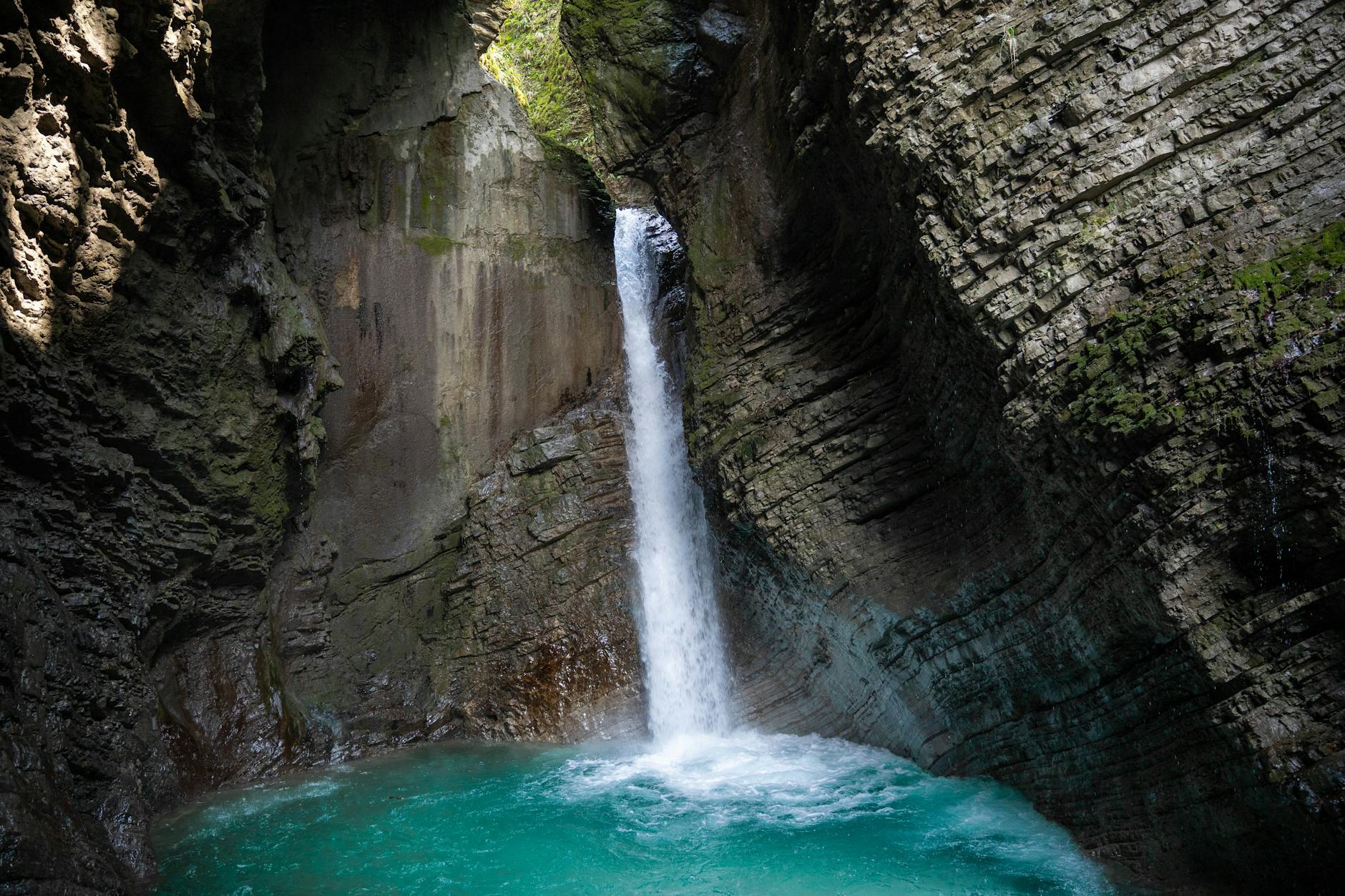
Located in the Jerte Valley, this natural reserve features a series of crystal-clear rock pools formed by glacial erosion. You’ll find these “potholes” during a hike along the river, where you can swim in the refreshing mountain water during the summer. It’s an ideal spot for a picnic and a full day of outdoor relaxation.
The hike to the main pool area takes roughly two hours from the visitor center. Keep in mind that the water remains quite cold throughout the year, even when the air temperature is hot. It’s a refreshing way to cool off after exploring the surrounding cherry orchards of the valley.
The Remote Beauty of Las Medulas
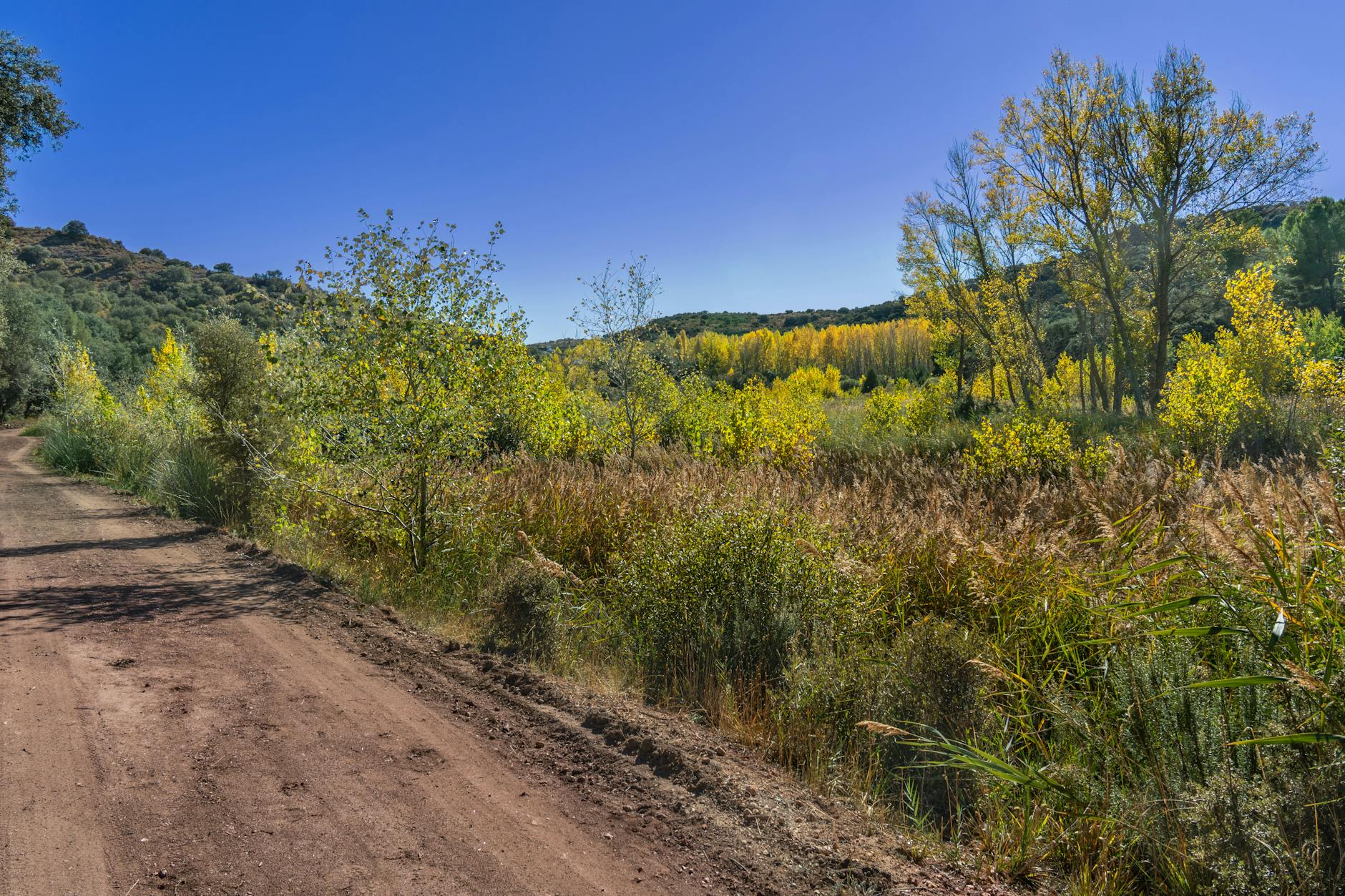
These ancient gold mines in the province of Leon offer a stark, orange-hued landscape surrounded by lush chestnut forests. You’ll see massive peaks of clay and sand that were carved out during Roman engineering projects centuries ago. It’s a fascinating look at how human industry can permanently alter the natural environment.
You should follow the circular walking path that leads to the Orellan viewpoint for the most expansive perspective of the mines. The walk covers roughly three kilometers and is suitable for most fitness levels. It’s a quiet area that rarely sees crowds, giving you plenty of space to enjoy the unique geological scenery.
Practical Tips for Exploring Spain
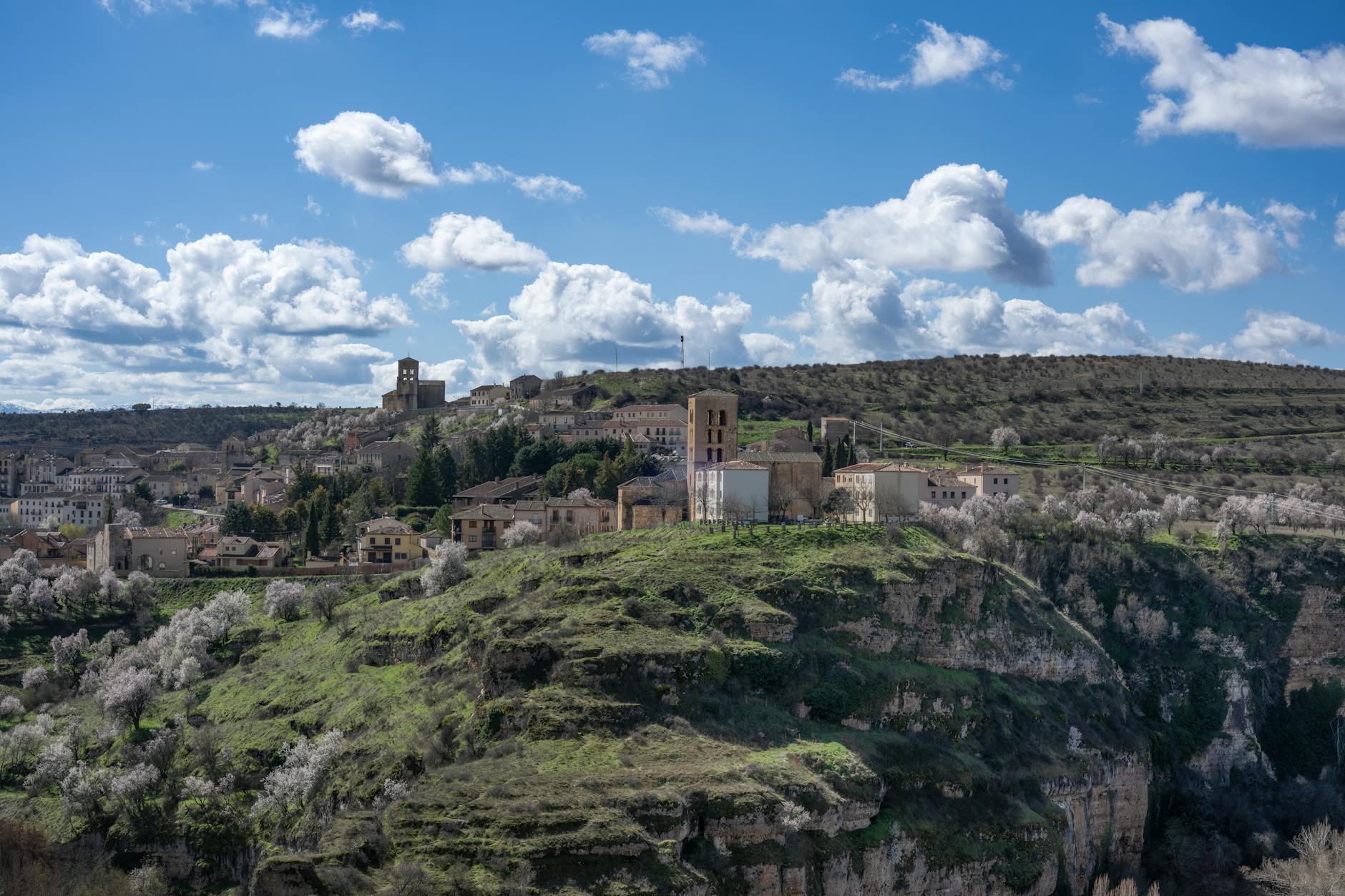
When you’re searching for hidden gems in Spain, you need to be prepared for rural logistics. Public transport often skips these smaller villages, so securing a reliable rental car is your best option for flexibility. Always confirm your accommodation bookings in advance, as small rural hotels have limited capacity during holiday weekends.
You should also learn basic phrases in the local dialect if you are visiting regions like Galicia or Catalonia. Even a few words will help you connect with residents in remote areas where English is less common. Download a translation app that works offline to ensure you can communicate in any situation.
How to Choose Your Route
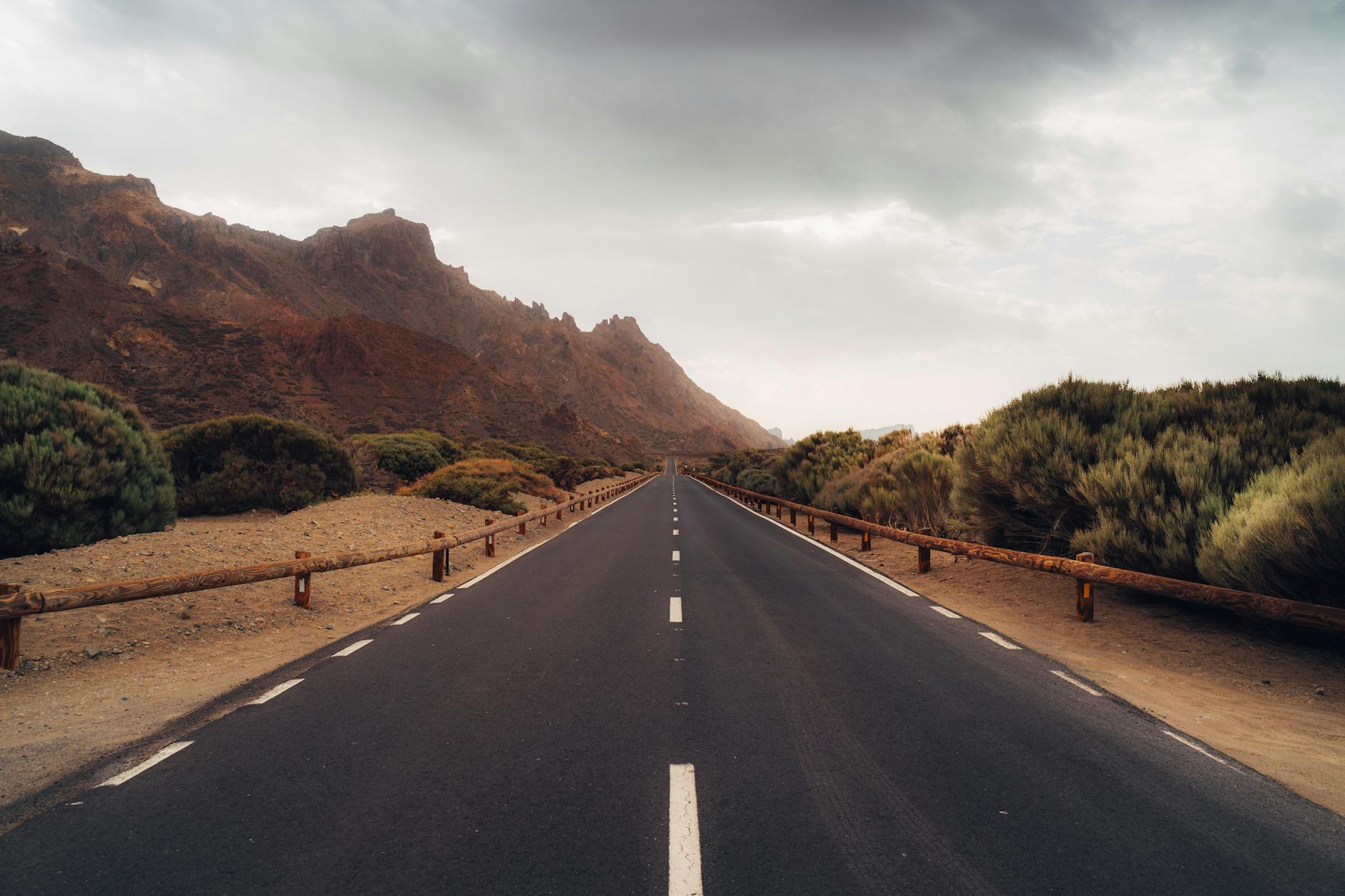
Think about your preferred climate when choosing which hidden gems to visit. If you enjoy cooler, misty weather and coastal hiking, focus your time on the northern regions like Galicia. If you prefer arid, warm landscapes and unique geological parks, head toward the interior provinces like Navarre or Aragon.
Don’t try to see too much in one trip. Spain is larger than it looks on a map, and driving between these remote locations can take longer than expected. Pick one region and explore it thoroughly before moving on to the next, which allows you to find your own secret spots along the way.
Common Questions
Do I need a car to visit hidden gems in Spain?
Yes, a car is highly recommended for visiting these remote spots. Public transportation is excellent between major cities, but it rarely reaches rural villages or natural parks effectively.
What is the best time of year to escape the crowds?
May, June, and September are ideal. You’ll avoid the massive summer tourist influx while still enjoying pleasant weather for hiking and outdoor exploration.
Are these locations suitable for families?
Many of these areas are great for families who enjoy nature and outdoor activities. Just ensure you check the difficulty level of hiking trails before bringing children along.
Are these hidden gems in Spain expensive?
Generally, these rural areas are more affordable than major tourist hubs. You’ll find lower costs for accommodation and dining, especially if you stick to local shops and markets.
Exploring the lesser-known side of the country offers a perspective that most travelers miss entirely. By choosing these quiet corners, you’ll gain a deeper appreciation for the geography and local customs of Spain. Read more about planning your perfect trip and start mapping out your adventure today.