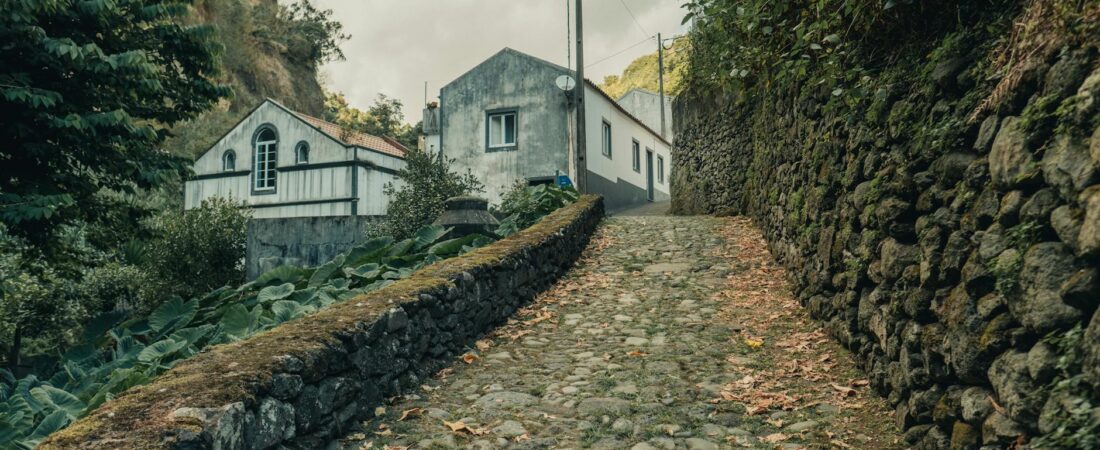
Portugal offers much more than the typical tourist trail if you know where to look for authentic, quiet experiences. You’ll find that escaping the crowded plazas reveals a side of the country defined by dramatic coastlines, ancient forests, and preserved coastal villages. Quick version: This guide highlights the most impressive, secular locations in Portugal that remain largely untouched by mass tourism, providing you with a clear roadmap for your next trip.
- Best months to visit: May, June, and September for mild weather and fewer crowds.
- Daily budget range: $80–$130 per person for mid-range comfort.
- Ideal trip length: 10 to 14 days to cover multiple regions effectively.
- Language: Portuguese (English is widely understood in tourist hubs).
- Pro tip: Renting a compact car is essential for reaching rural areas where public transit is limited.
Exploring the rugged coastline of Alentejo
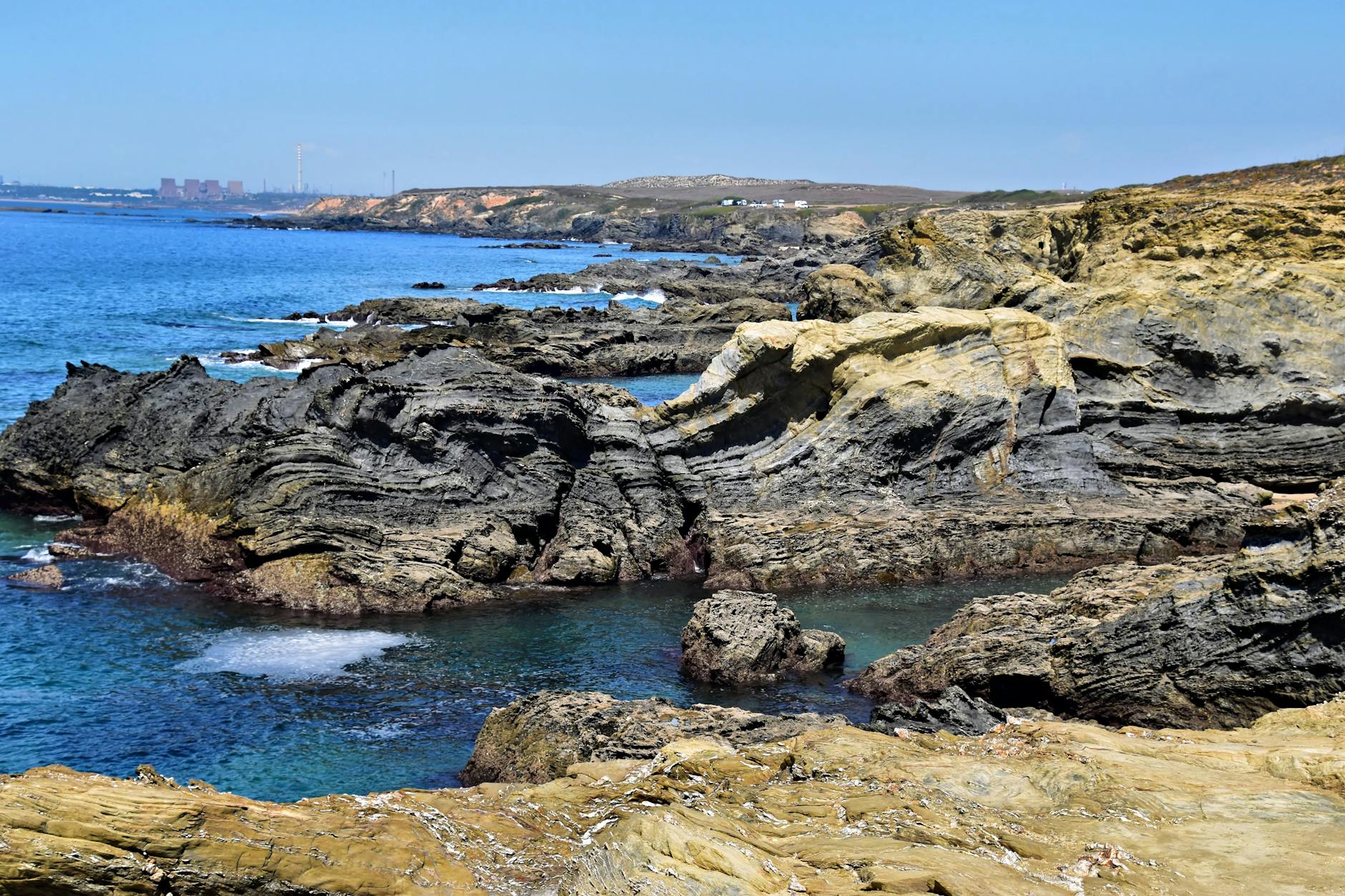
The Alentejo region provides a stark contrast to the busy southern resorts. You’ll find wild, windswept cliffs and empty stretches of sand that feel entirely your own. The coastline between Sines and Zambujeira do Mar remains one of the best locations for tranquil coastal walks and photography.
Spend your mornings trekking along the Rota Vicentina trails. These paths offer consistent views of the Atlantic Ocean without the high-rise concrete developments found elsewhere. You’ll pass through small farming communities where local agriculture remains the primary focus of daily life.
What are the best ways to experience the Douro Valley without the crowds?
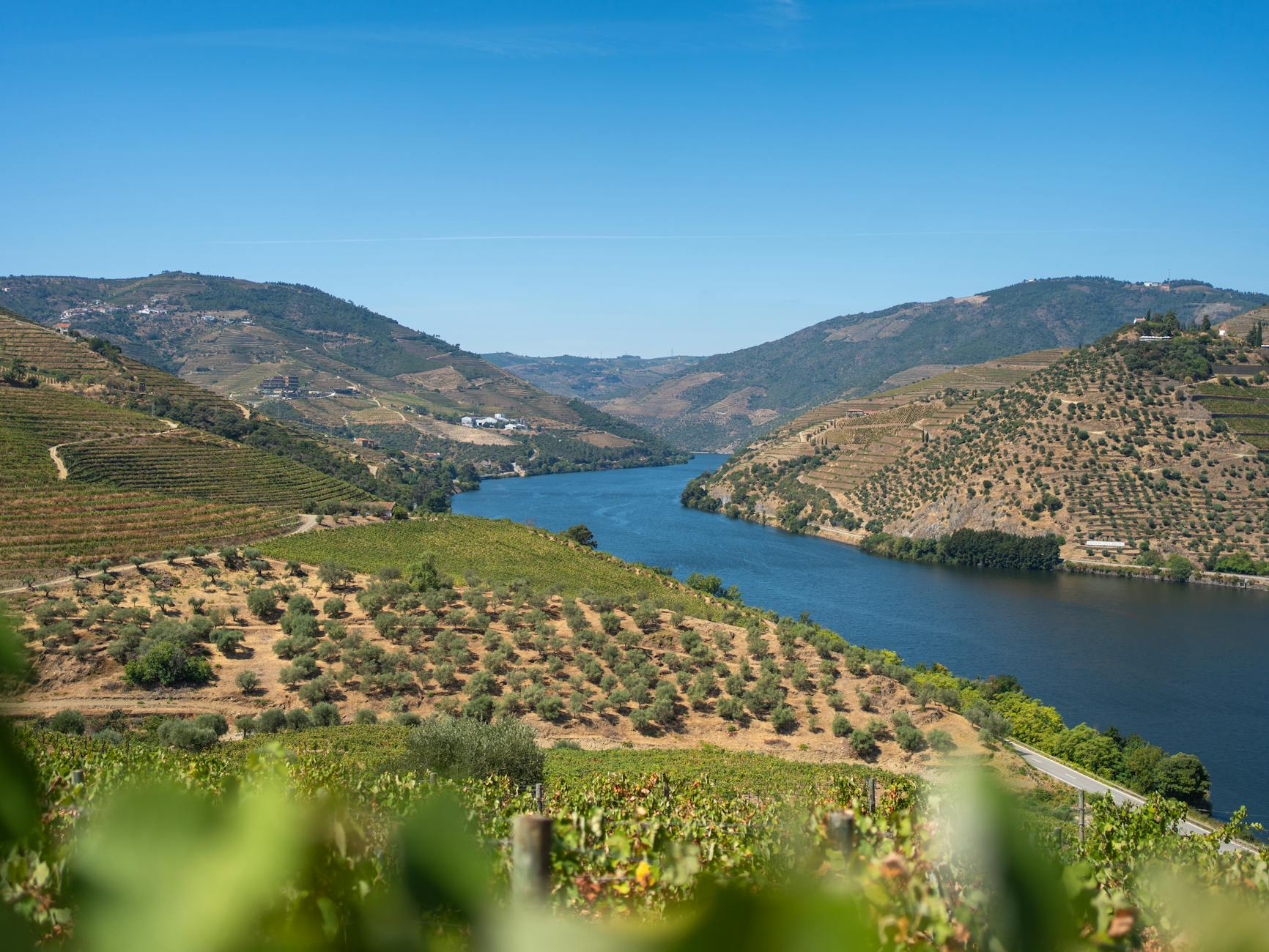
The best way to experience the Douro Valley is by focusing on the smaller, family-operated estates located away from the main river cruise docks. By traveling during the harvest season in late September, you’ll witness the landscape at its most active while avoiding the peak summer rush.
Focus your time on the high-altitude villages like Provesende. You’ll find traditional stone architecture and terraced slopes that have been shaped by centuries of non-religious agricultural development. Base yourself in a local guesthouse to better appreciate the quiet pace of the valley, which is a perfect alternative to city-based accommodations.
Discovering the natural wonders of the Azores
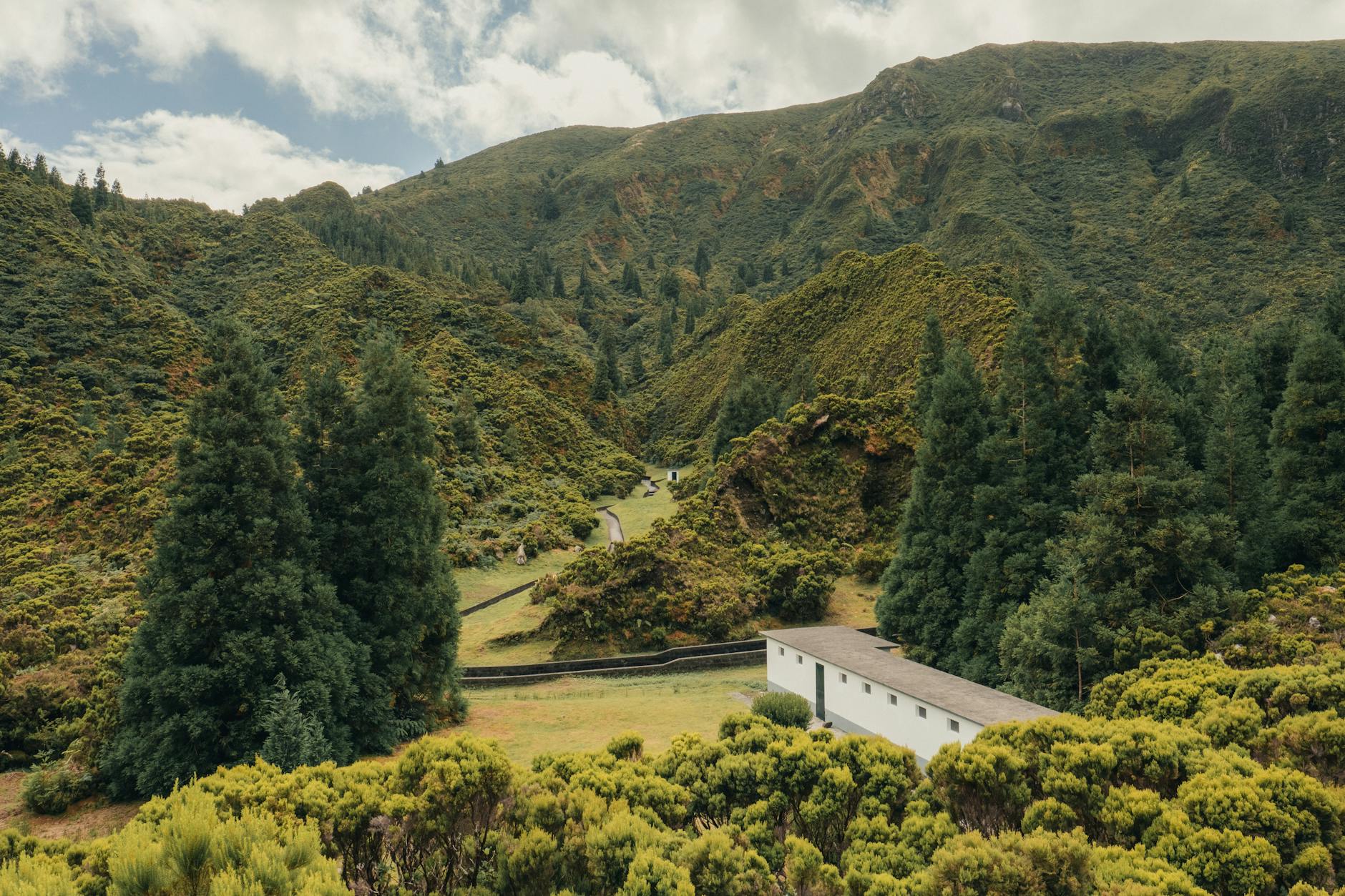
The Azores archipelago consists of nine islands that offer a completely different climate from the mainland. You’ll encounter volcanic craters, natural thermal pools, and dense emerald forests. The island of Flores provides the most dramatic scenery, featuring waterfalls that drop directly into the ocean.
Dedicate at least three days to exploring the hiking trails around the Lagoa das Sete Cidades. You’ll see spectacular crater lakes that change color depending on the light and weather conditions. Make sure to visit the botanical gardens in Furnas, which feature unique plant species from across the globe.
The quiet charm of Monsanto
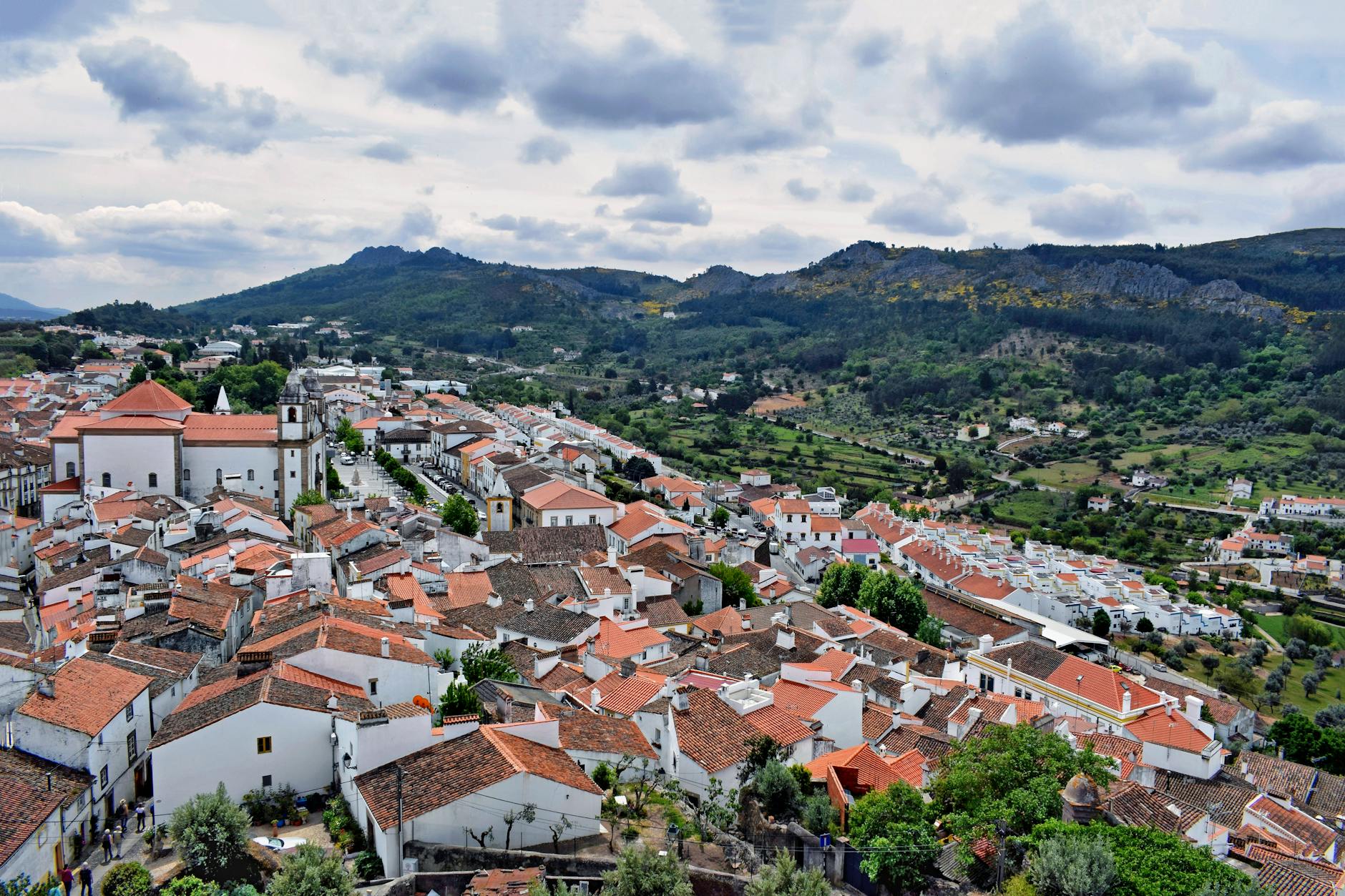
Monsanto is often called the most Portuguese village in the country, yet it remains off the radar for many international visitors. You’ll see homes built directly into massive granite boulders, creating a landscape that looks like it belongs in a fantasy novel. Walking the narrow, steep streets offers an immersive look at traditional stone masonry.
Avoid the main entrance during midday hours when tour groups arrive. Instead, visit early in the morning to capture the light hitting the granite structures. You’ll find small shops selling local honey and handmade crafts that make for excellent, authentic souvenirs from your trip.
Planning your visit to these hidden gems in Portugal
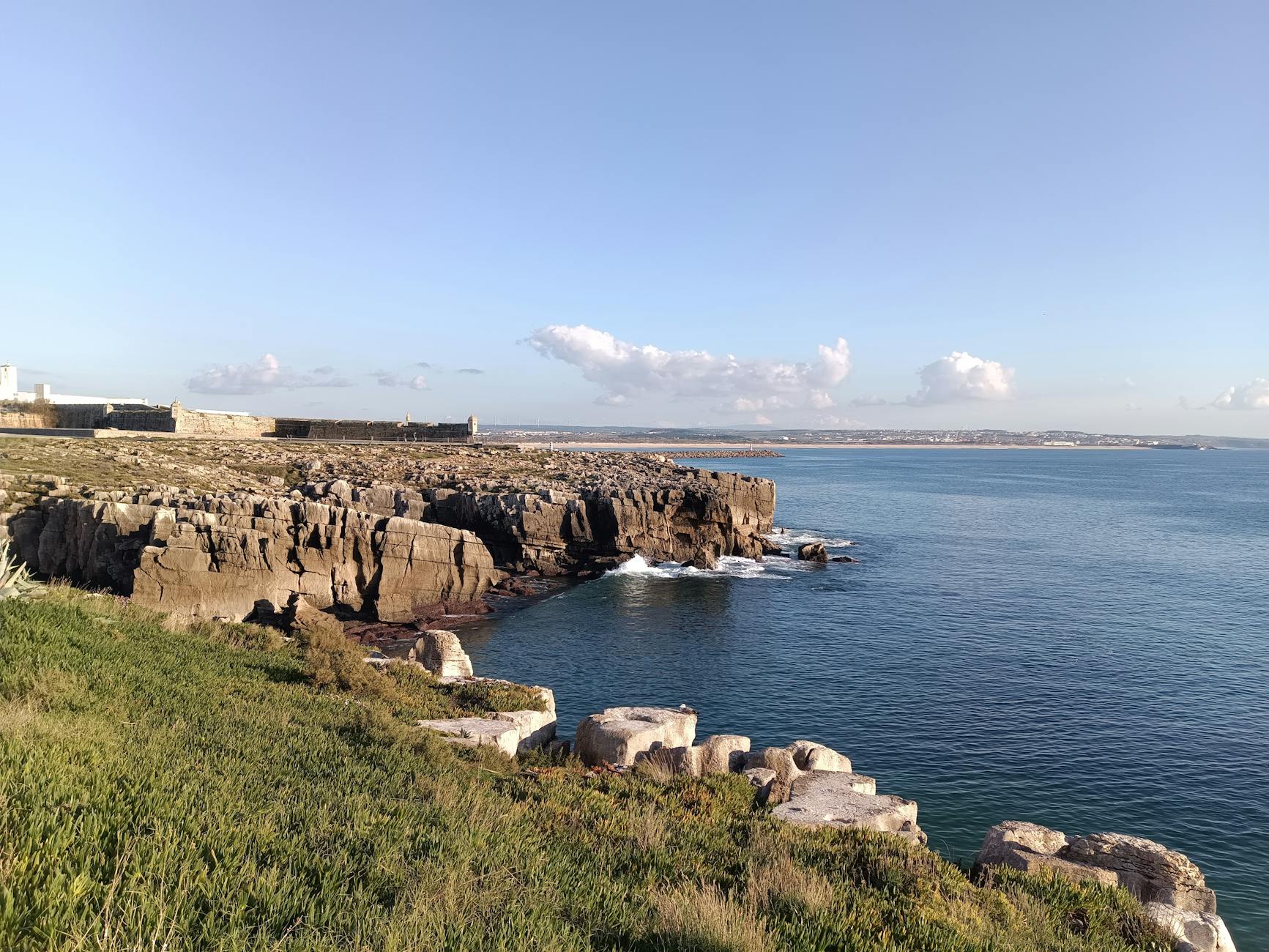
You’ll find that these locations require a bit more planning than a standard vacation in a major city. Renting a vehicle is usually your best option for flexibility, as public transport schedules in rural areas are often infrequent. Be prepared to navigate winding mountain roads that offer incredible vistas at every turn.
Consider staying in local guesthouses or renovated farmhouses to support the regional economy directly. These accommodations often provide the most genuine insight into local traditions. If you’re looking for more practical travel advice, ensure your itinerary allows for at least two nights in each location.
Budgeting for your trip
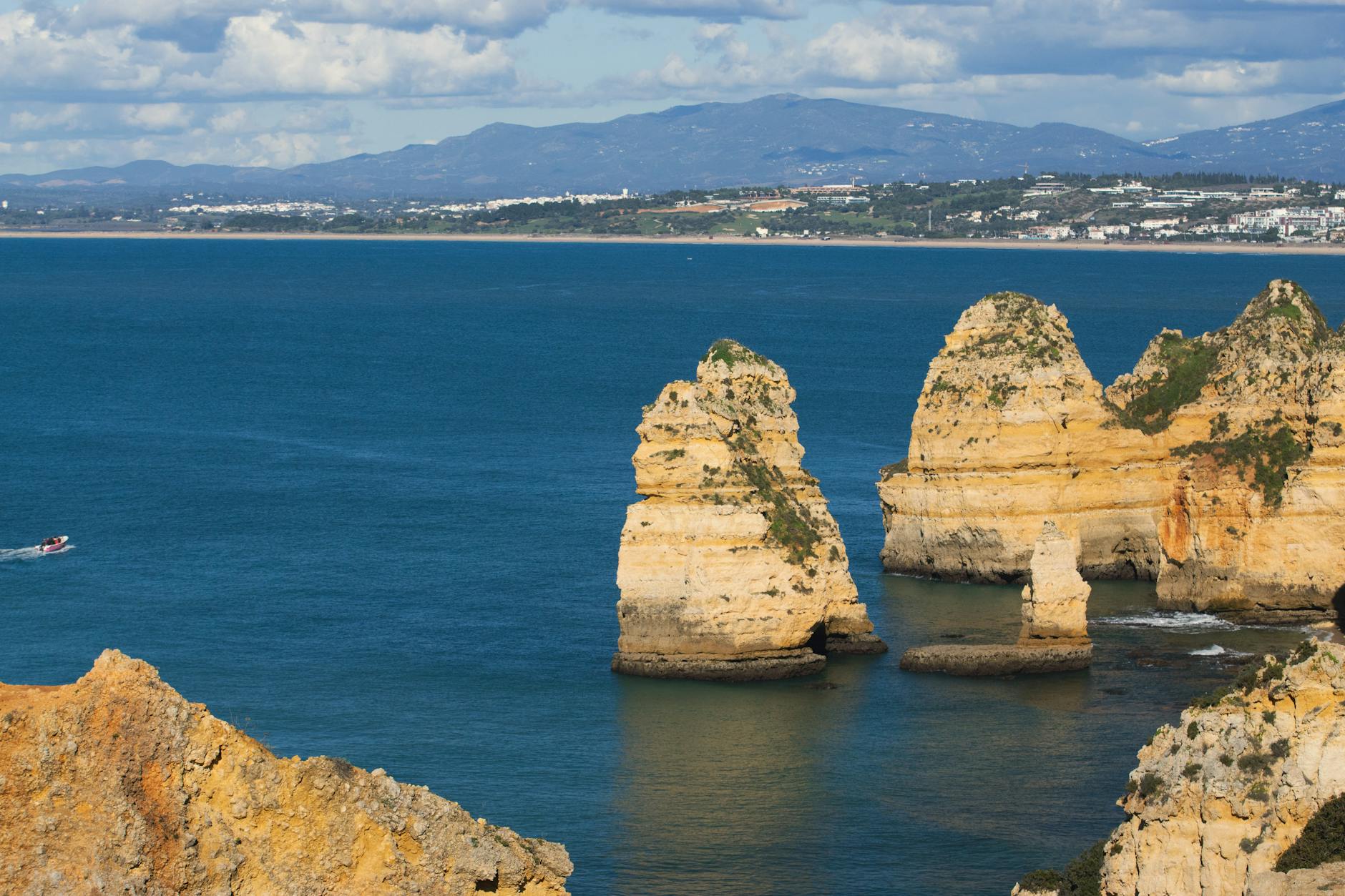
Your daily expenses will fluctuate depending on your choice of accommodation and dining. Expect to spend $40–$60 per night for a comfortable, clean double room in a rural area. Meals at local taverns typically cost between $15 and $25 per person, focusing on fresh seafood and locally sourced vegetables.
Factor in the cost of fuel and vehicle insurance when building your budget. You’ll likely spend $300–$500 on transport for a two-week road trip, including tolls on the major highways. If you’re looking to save money, packing a picnic lunch from a local market is a great way to reduce costs while enjoying the scenery.
Common Questions
Are these hidden gems in Portugal accessible by public transport?
Most of these locations are difficult to reach via public transport alone. While buses connect major towns, you’ll need a rental car to access the remote coastal paths and villages effectively.
What is the best time of year to visit these areas?
Late spring and early autumn are ideal for visiting these areas. You’ll encounter fewer crowds and moderate temperatures that are perfect for hiking and outdoor exploration.
Are these locations suitable for a family trip?
Yes, these destinations are safe and welcoming for families. Many rural areas offer wide-open spaces for children to run, and the local culture is generally very family-oriented.
Do I need to speak Portuguese to visit these rural areas?
While you don’t need to speak fluent Portuguese, learning a few basic phrases will be appreciated by the locals. Most hosts in rural areas will have at least a basic understanding of English.
Finding these hidden gems in Portugal rewards you with a deeper connection to the landscape and the people. You’ll return with stories that go beyond the typical snapshots found on social media. Start planning your route today to experience the true, quiet beauty of this country.