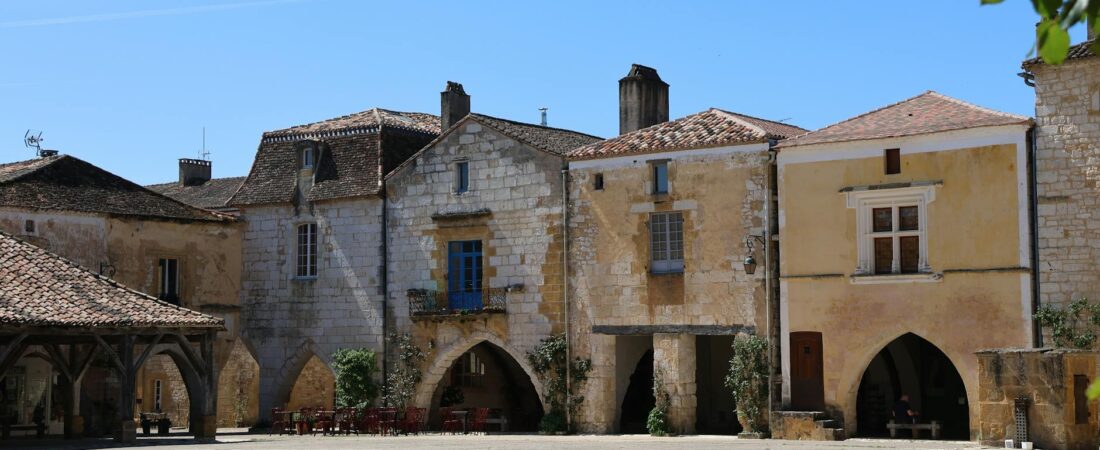
France is home to hundreds of preserved medieval settlements where time appears to stand still. Finding the prettiest villages in France requires looking beyond the main tourist routes and into the rolling hills of the countryside. Quick version: Focus on the Dordogne, Alsace, and Luberon regions to see the most picturesque stone architecture and floral displays in the country.
You have likely seen images of limestone cottages draped in ivy and flower-lined cobblestone streets. France contains countless hidden hamlets that feel like movie sets. This guide highlights the most visually striking, secular, and preserved locations you should include in your next itinerary.
What are the prettiest villages in France to visit for photography?
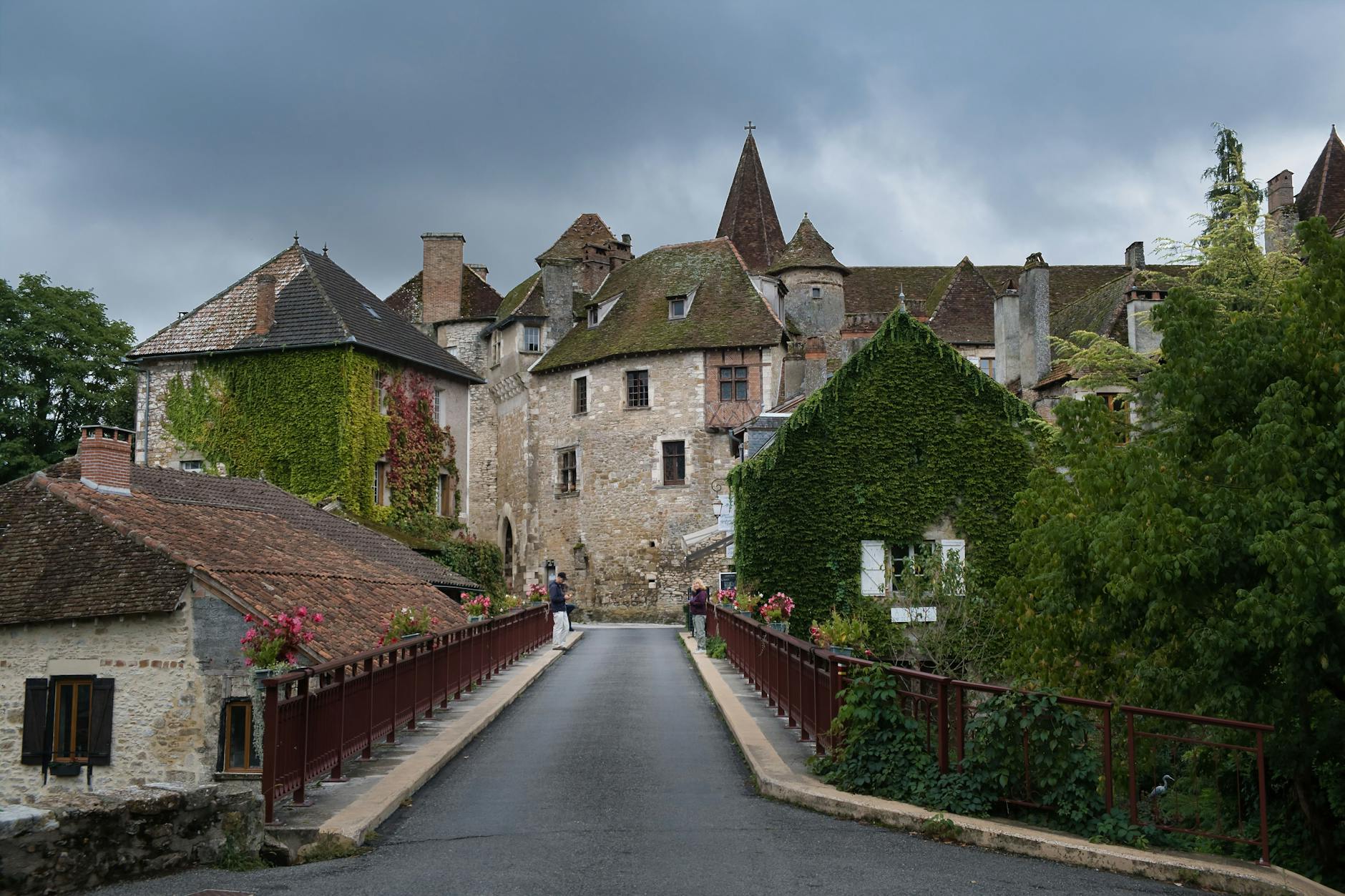
The prettiest villages in France for photography are Colmar, Beynac-et-Cazenac, and Gordes. These locations offer a mix of half-timbered houses, cliffside vistas, and narrow alleys that provide perfect lighting throughout the day. You will find that the lack of modern infrastructure in these areas preserves their authentic, historic character.
Colmar: The Colorful Half-Timbered Gem
Colmar sits in the Alsace region near the German border. It features rows of colorful, half-timbered houses that reflect perfectly in the Lauch River. You should walk through the area known as Little Venice to capture the most iconic photographs.
The town remains incredibly well-preserved from the late medieval period. Plan to spend at least one full day wandering the pedestrianized zones. Prices for local pastries range from 2 to 5 euros (prices may vary – check before you go).
Beynac-et-Cazenac: The Cliffside Fortress
Perched high above the Dordogne River, this village provides some of the most dramatic scales in the country. The stone houses cling to the side of a massive limestone cliff. You can explore the steep, winding paths that lead to the summit for an expansive view of the valley below.
This area is famous for its walnut groves and prehistoric cave history. If you enjoy hiking, follow the riverside trails for a unique perspective of the village architecture from below. It is a fantastic destination for slow travelers who appreciate quiet natural beauty.
Gordes: The Stone Village of the Luberon
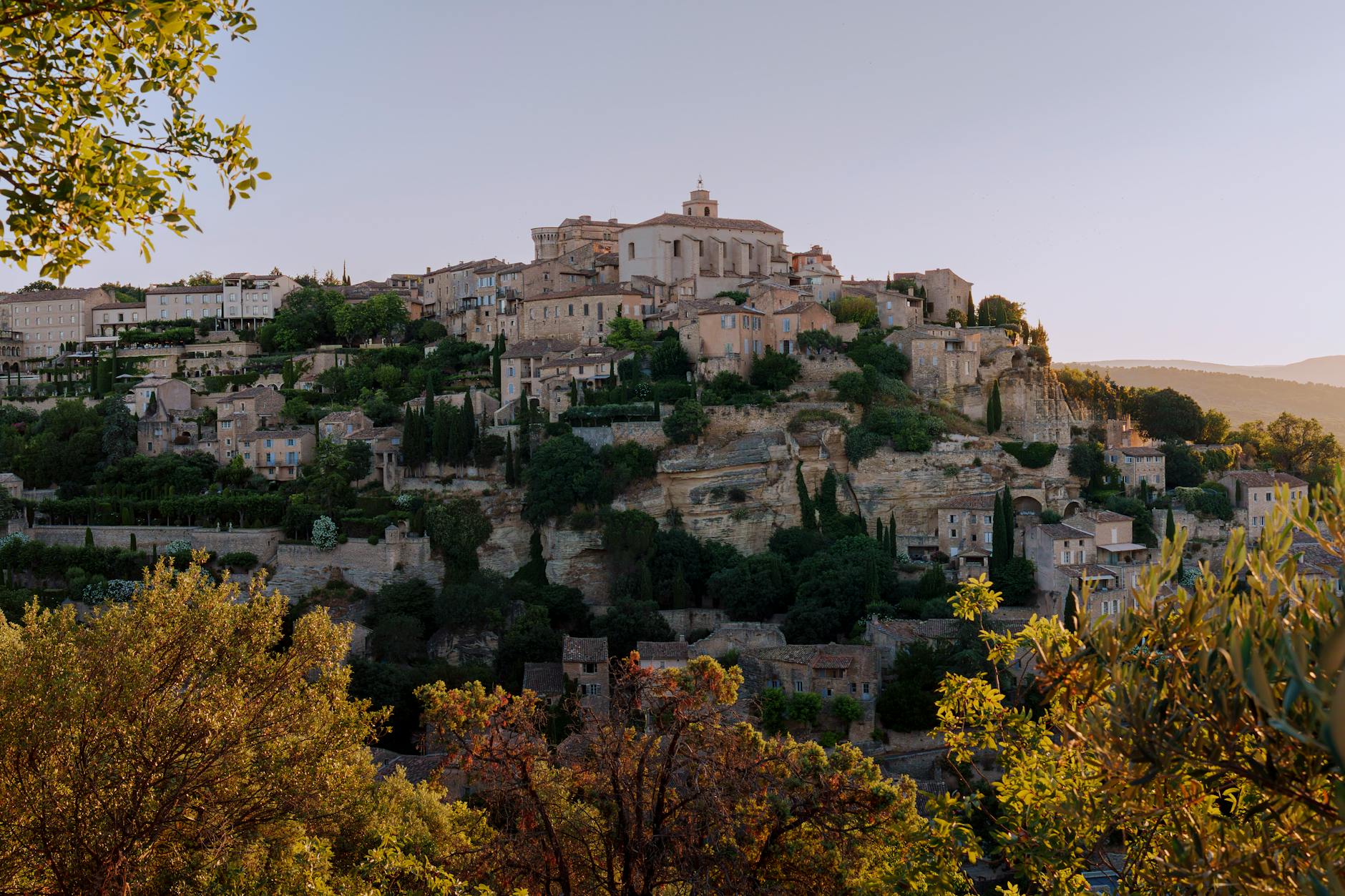
Gordes is a masterclass in stone masonry. Every building follows the same architectural style, creating a uniform and visually soothing aesthetic. You will find the village clinging to the edge of the Vaucluse plateau, overlooking the sprawling valley.
Spend your time browsing the local weekly markets for lavender products and artisanal honey. The village is best explored on foot, as the streets are too narrow for standard vehicles. Prepare for steep inclines, so wear comfortable walking shoes.
Planning your trip to the most beautiful French hamlets
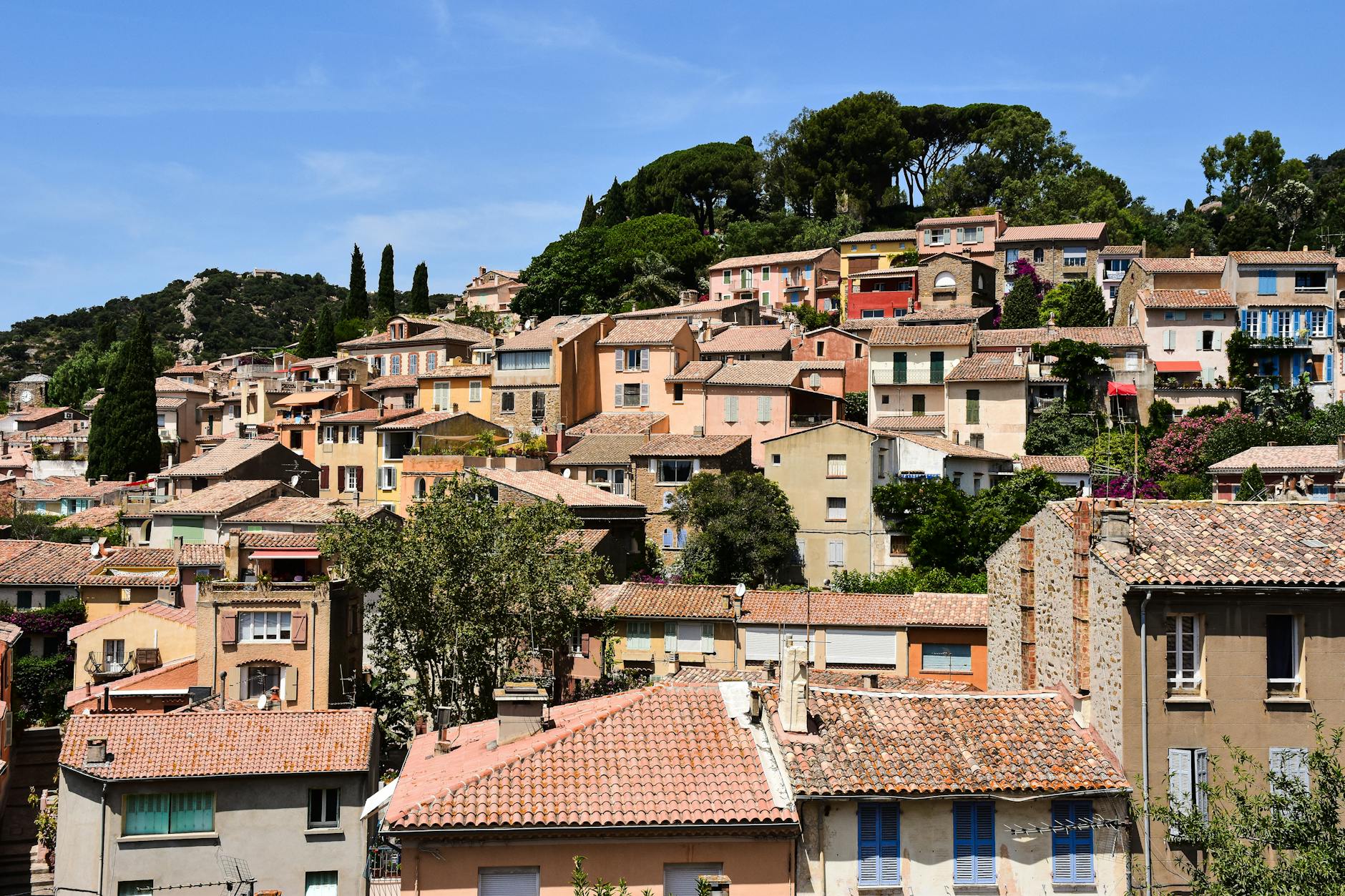
Navigating the French countryside requires a bit of logistical preparation. Most of the prettiest villages in France are not accessible by high-speed rail. You will need to rent a car to reach the more isolated, scenic locations efficiently.
Best time to visit
Aim for late spring or early autumn to avoid the intense summer heat and the peak tourism rush. During May, the floral displays are in full bloom, providing a vibrant backdrop for your photos. In September, the vineyards surrounding these villages turn golden, offering equally striking visuals.
Getting around the countryside
Renting a car is essential for a flexible itinerary. Many of these villages restrict vehicle access in the town center, so look for public parking lots located just outside the historic gates. Download offline maps since cellular service can be spotty in the deep valleys of the Dordogne.
Budgeting for your village tour
Expect to spend between 120 and 180 euros per day for a comfortable experience, including accommodation at local guesthouses and meals at regional bistros (prices may vary – check before you go). You can save money by staying in smaller surrounding towns and driving into the most popular villages for day trips.
Common mistakes to avoid
Rushing your schedule
Do not try to visit three villages in a single day. You will spend all your time in the car rather than experiencing the atmosphere. Stick to one or two locations per day to allow for spontaneous detours.
Ignoring the local seasons
Many shops and cafes in these villages operate on seasonal hours. If you visit in late October or November, expect fewer dining options. Check the local tourism board websites for seasonal closures before finalizing your dates.
Underestimating the terrain
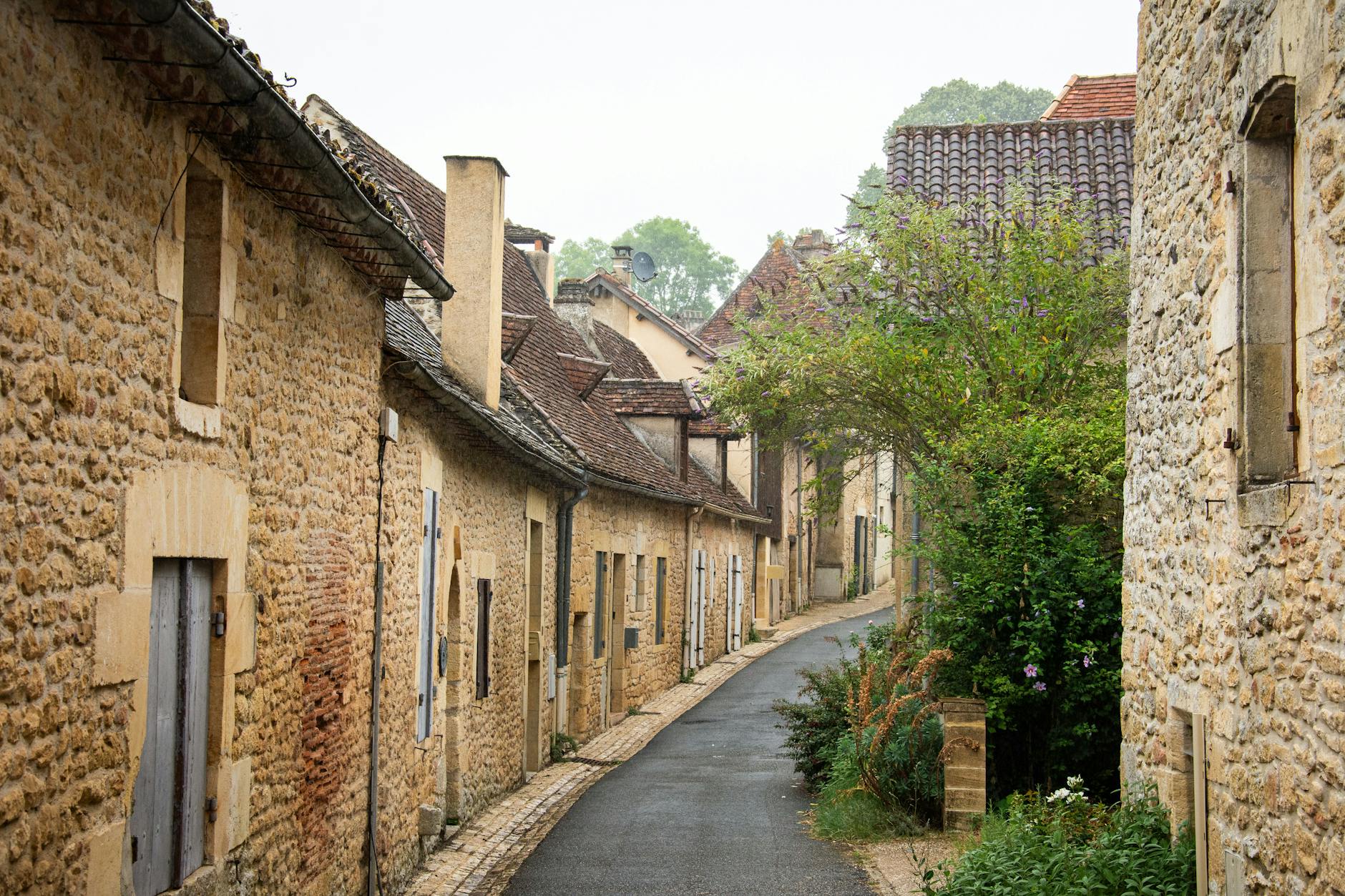
Many of these historic villages were built on steep hills for defense. Do not assume you can easily roll a heavy suitcase through the cobblestone streets. Pack a backpack or a duffel bag for easier transport over uneven ground.
Common Questions
Which region has the prettiest villages in France?
The Dordogne and Alsace regions are widely considered to have the highest concentration of visually striking, well-preserved villages. These areas offer distinct architectural styles that define the classic French countryside aesthetic.
Do I need a car to visit these villages?
Yes, a car is highly recommended. Most of these locations are in rural areas that are not well-served by public transportation, and having your own vehicle allows you to explore at your own pace.
How many days should I spend in each village?
A full day is usually enough to explore the streets and enjoy a meal in the smaller villages. Two days are better if you want to explore the surrounding nature or local hiking trails.
Are these villages crowded?
They can be crowded during July and August. Visit during the shoulder seasons of May, June, or September for a much quieter and more enjoyable experience.
Exploring the prettiest villages in France offers a rare glimpse into a slower, more deliberate way of life. Take your time, enjoy the local produce, and look for the details that make each stone wall unique. Your perfect French getaway awaits.