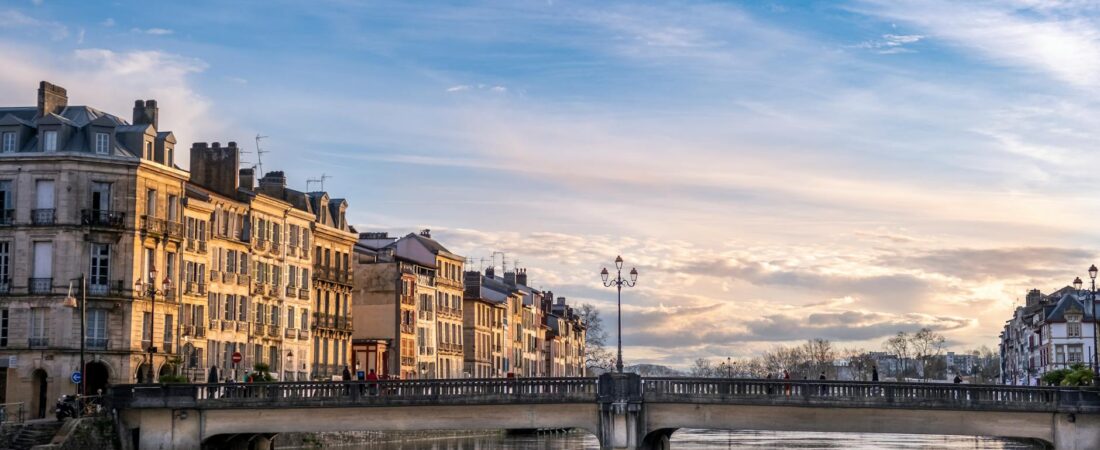
Most travelers spend their time in busy cities, missing the quiet, expansive beauty found in the forgotten corners of the French countryside. Finding these hidden gems in France requires a spirit of adventure and a willingness to drive past the major tourist hubs. This guide provides a roadmap to the most rewarding, non-religious locations across the country that remain off the radar for most international visitors.
What are the best hidden gems in France for nature lovers?
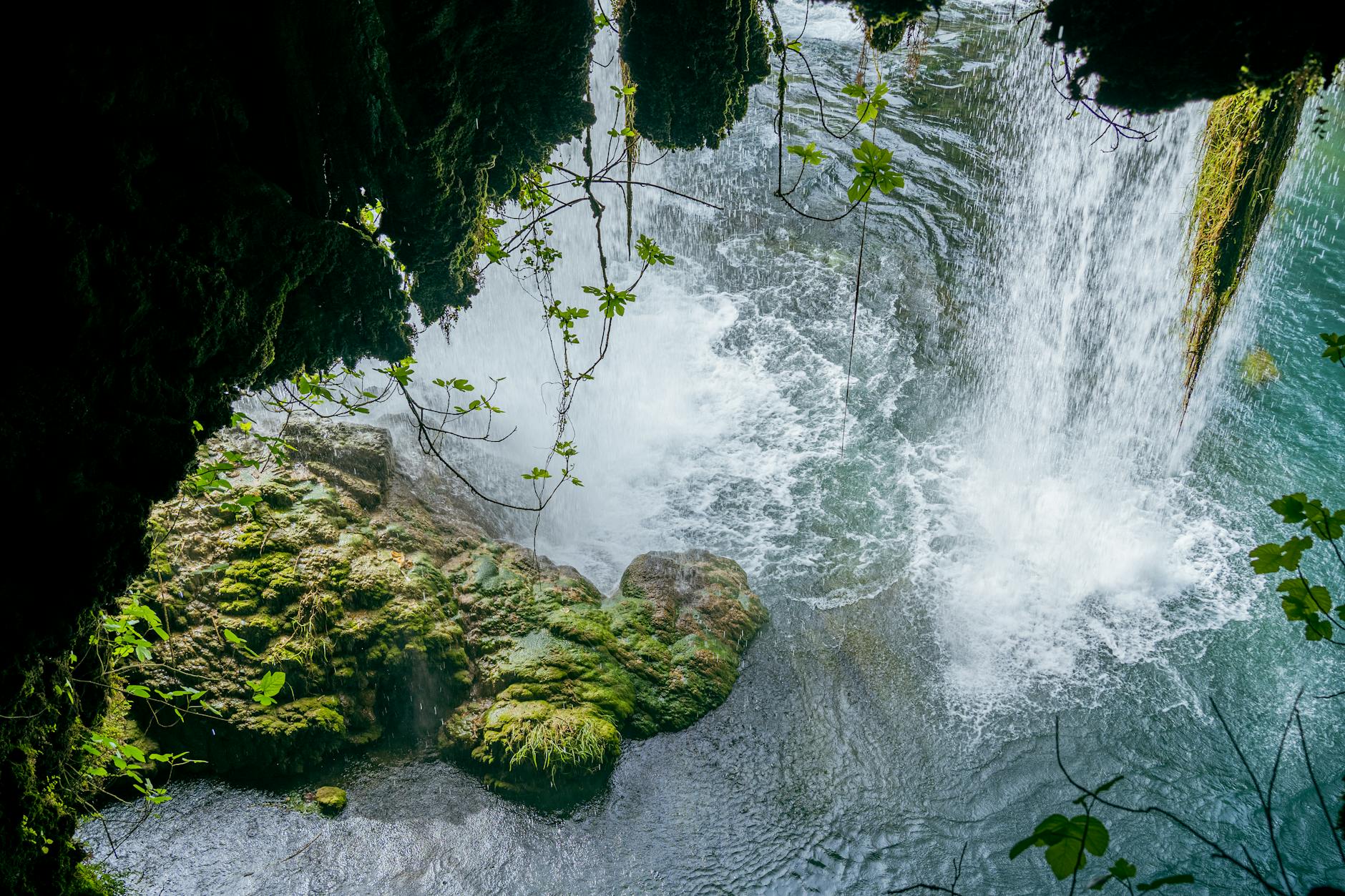
The best hidden gems in France for nature lovers include the remote Gorges de l’Ardèche, the volcanic peaks of the Auvergne region, and the wild coastline of the Cotentin Peninsula. These locations offer rugged landscapes, extensive hiking trails, and authentic local experiences that allow you to connect with the natural environment without the crowds found at popular national parks.
Explore the volcanic landscapes of the Auvergne
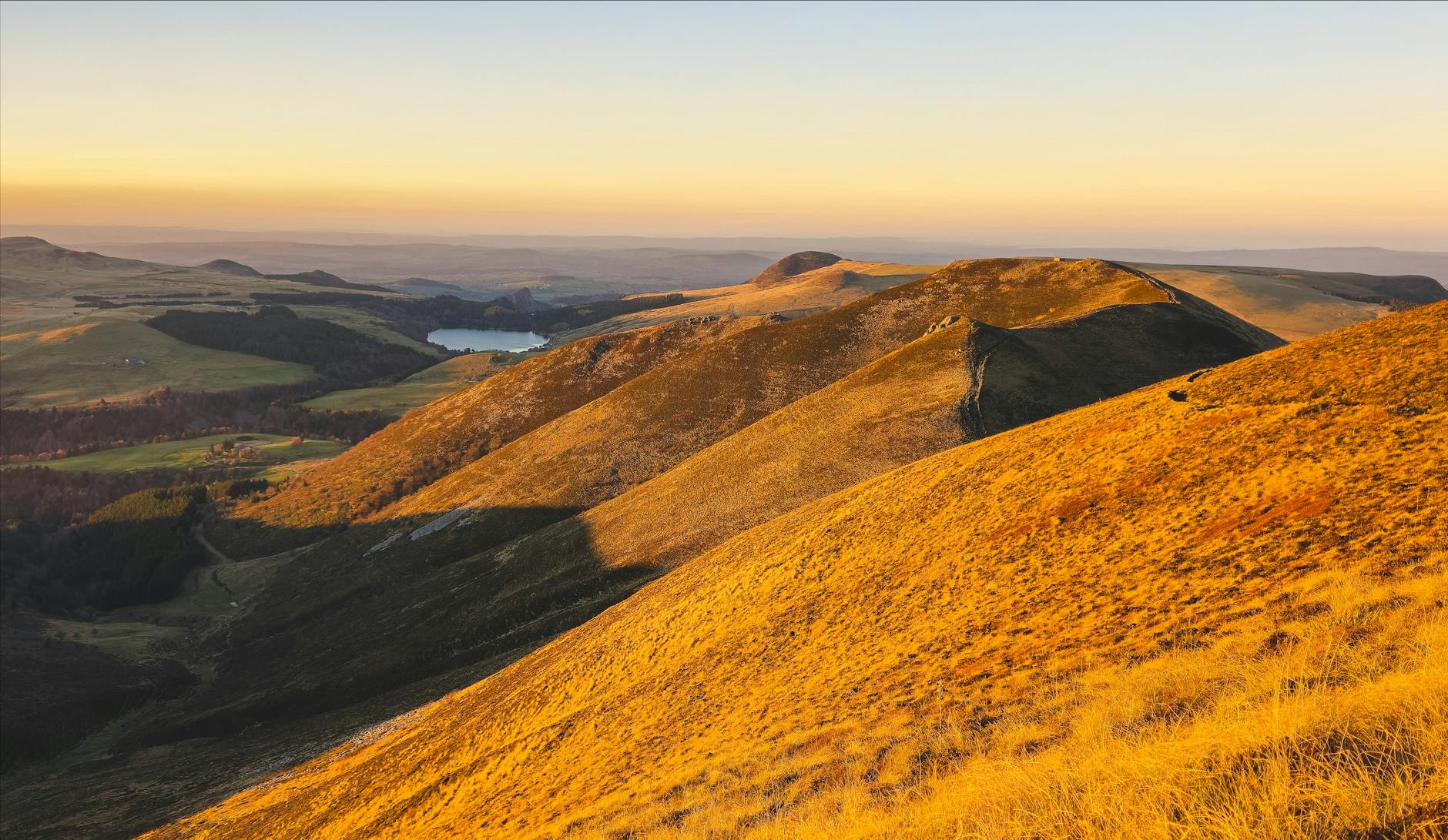
The Auvergne region features a massive chain of dormant volcanoes known as the Chaîne des Puys. You can hike the Puy de Dôme for panoramic views of the surrounding craters and forests. It is an ideal spot for anyone seeking physical challenges and dramatic geological formations.
Plan to spend at least three days here to fully appreciate the terrain. The area is largely undeveloped, meaning you will find quiet trails and small, family-run cafes in villages like Orcines. Expect to pay between 60 and 90 euros per night for local guesthouses (prices may vary – check before you go).
Discover the coastal wilderness of the Cotentin Peninsula
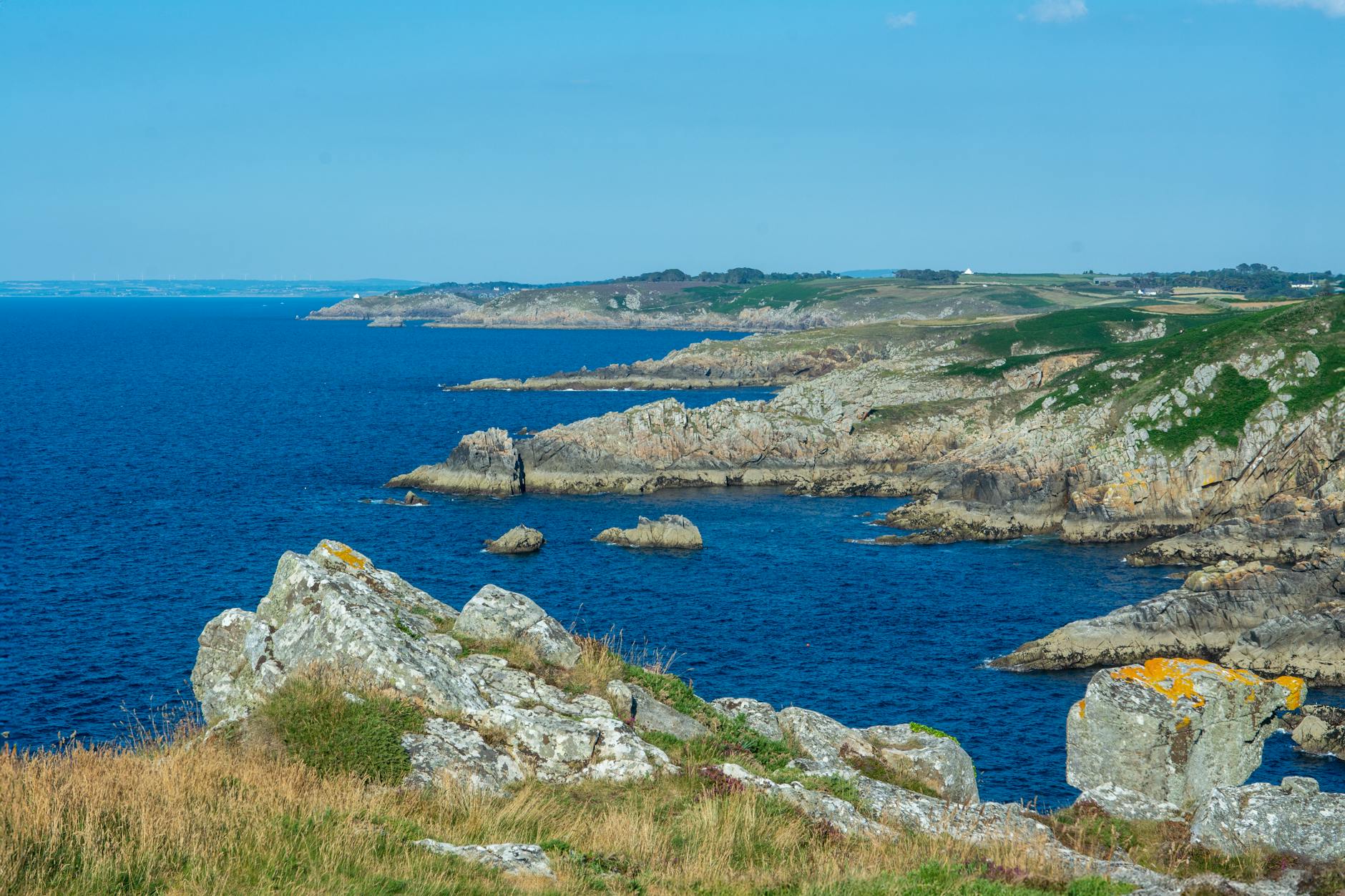
Located in Normandy, the Cotentin Peninsula offers a stark, beautiful alternative to the typical beach destinations. The Cap de la Hague features tall cliffs that drop into the English Channel, providing a backdrop for some of the best coastal walks in the country. It remains one of the most serene hidden gems in France.
Visit the village of Goury to see the lighthouse and the surrounding rocky coves. The area is known for its strong winds and dramatic tides, so pack layers and sturdy footwear regardless of the season. Spend your afternoons exploring the coastal paths before settling into a local bistro for fresh seafood.
Read more about planning your coastal road trip
The quiet beauty of the Lot Valley
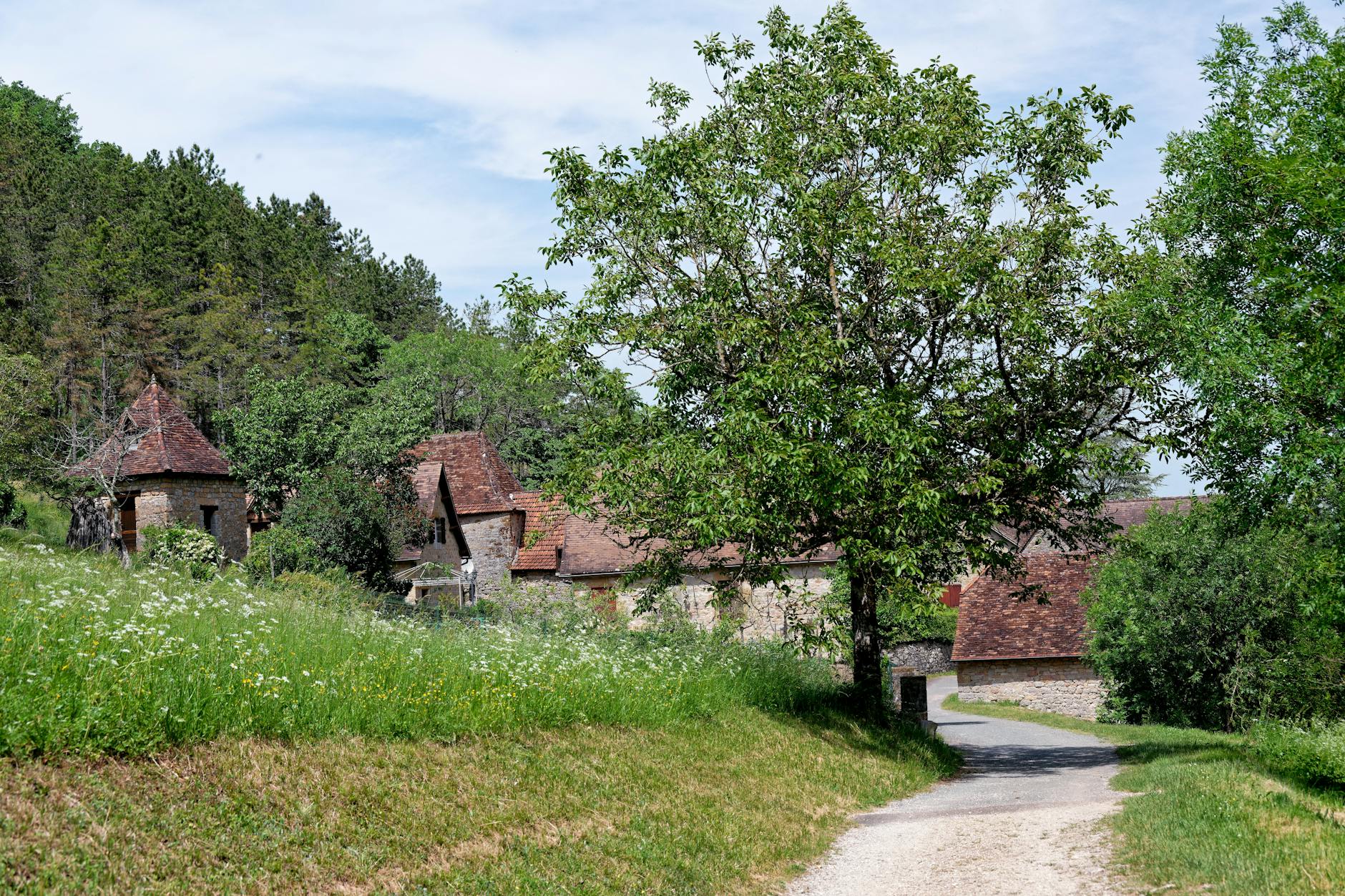
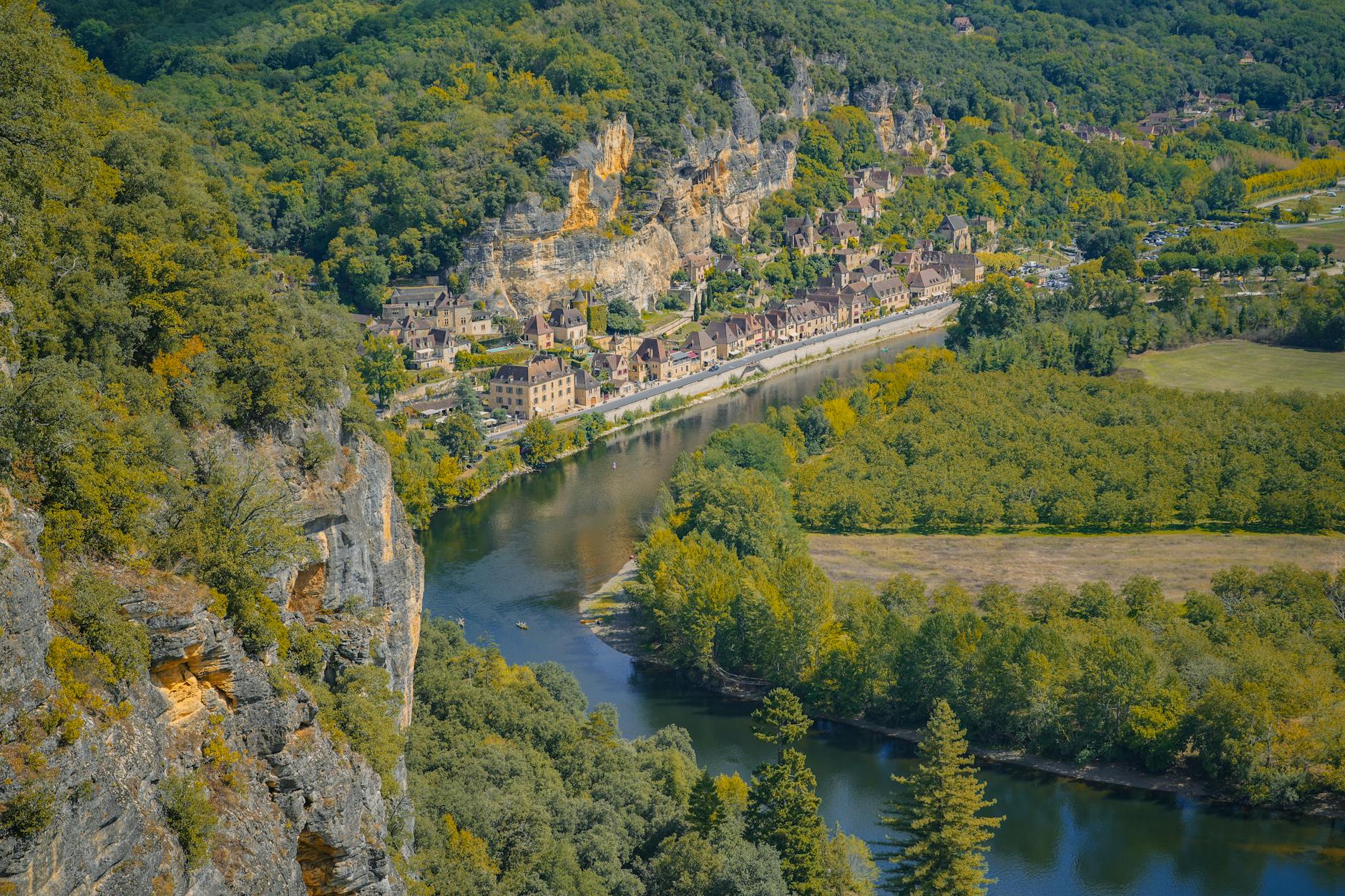
The Lot Valley provides a slower pace of life, defined by wide river bends and limestone cliffs. You can rent a kayak to traverse the river, which offers a perspective of the region you cannot get from the road. The water is calm, making it suitable for families and casual paddlers.
Stay in small towns like Cajarc, where the local markets showcase regional produce like walnuts and local cheeses. It is a perfect destination for those who want to experience the French lifestyle without the intensity of major tourist regions. Budget roughly 100 euros per day to cover food and modest accommodation.
Experience the untamed Dordogne forests
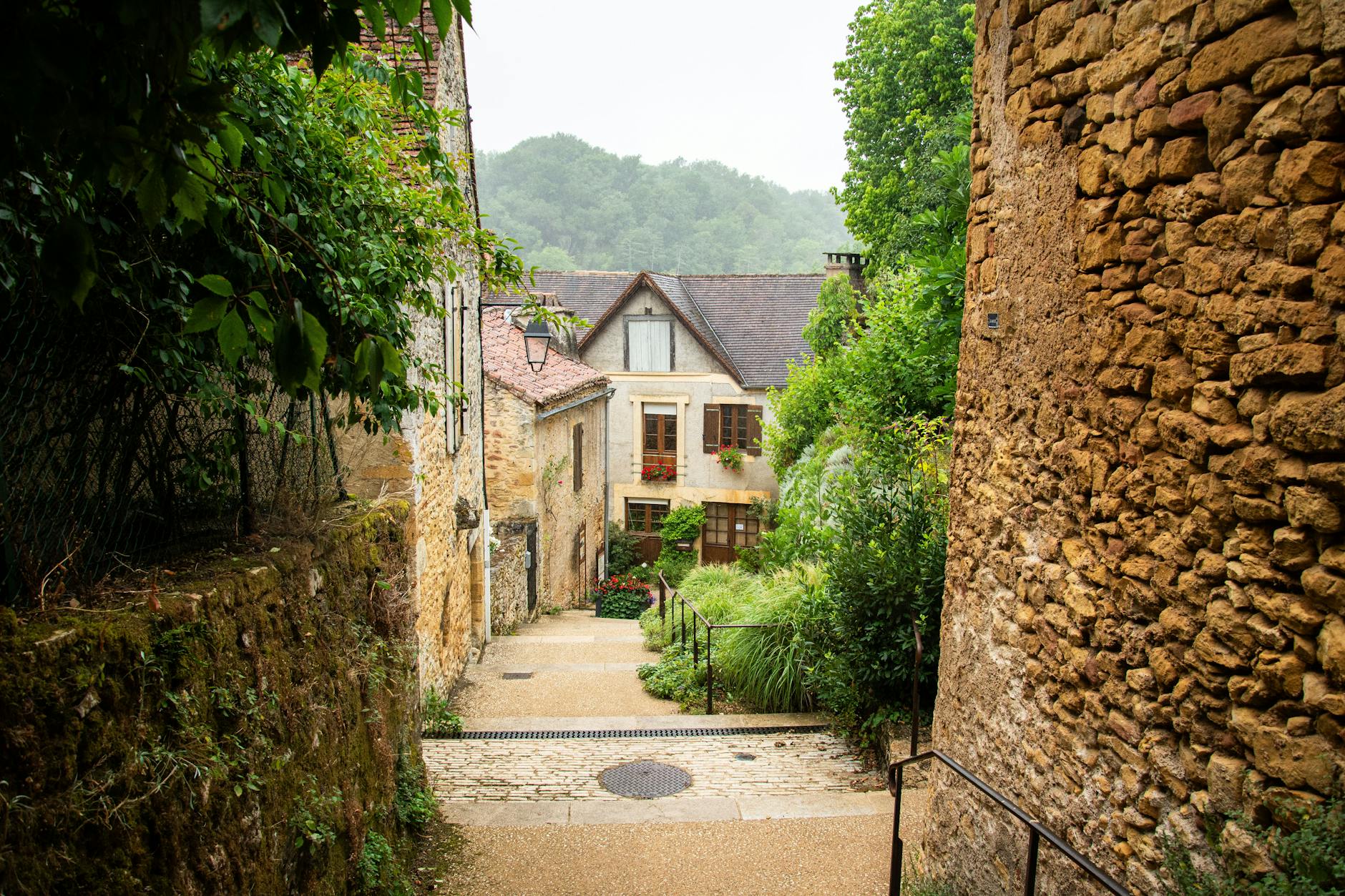
While parts of the Dordogne are well-known, the deeper forest areas remain largely untouched. Seek out the valleys around the Vézère river, where you can find prehistoric cave art sites that focus on early human history. These sites provide a fascinating look at ancient life without any modern religious context.
Spend your time cycling the quiet forest roads that connect the small hamlets. You will find plenty of opportunities for picnicking by the riverbanks. It is a peaceful escape that feels worlds away from the busy urban centers.
See our full guide on rural cycling routes
Why you should visit the Jura Mountains
The Jura Mountains remain one of the most underrated hidden gems in France. This region borders Switzerland and offers a mix of dense forests, glacial lakes, and high-altitude plateaus. It is a paradise for cross-country skiing in the winter and hiking or mountain biking in the summer.
The Lac de Chalain is a highlight, with its turquoise waters surrounded by pine trees. It is much quieter than the lakes in the Alps, making it an excellent choice for a relaxing retreat. Expect to spend around 500 to 700 euros for a full week, excluding travel costs, if you shop at local markets and stay in self-catering apartments.
Practical planning for your trip
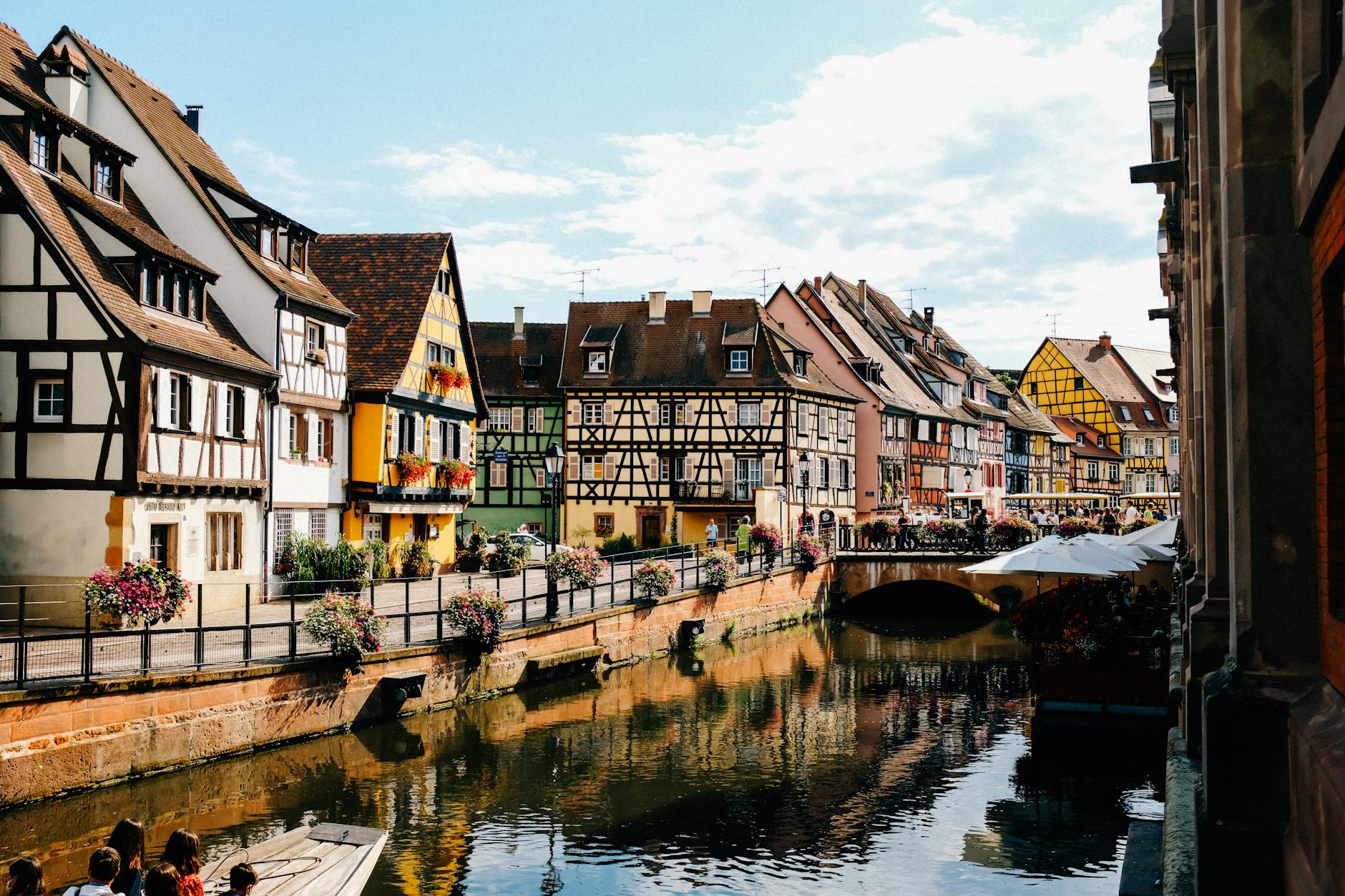
When visiting these hidden gems in France, your best area to stay is usually in small villages located near the main natural attractions. Look for “Gîtes,” which are independent holiday homes that offer a more personal experience than large hotels. You can find these listings on local regional tourism websites.
Getting around requires your own vehicle. Trains connect major cities, but they do not reach the remote valleys or coastal cliffs. Budget for fuel, parking, and rental insurance. A mid-range budget of 120 to 150 euros per day covers a comfortable rental car, decent food, and clean, simple lodging.
Check our recommended packing list for rural travel
Common questions
When is the best time to visit?
The shoulder seasons of May, June, and September are ideal. You will avoid the peak summer heat and the large crowds that arrive during the school holidays in July and August.
Are these locations accessible by train?
Most are not. These locations are specifically chosen for their isolation. Renting a car is necessary to reach these rural, natural, and non-religious sites effectively.
What is the daily budget for rural France?
You can manage on 120 to 150 euros per day. This covers a rental car, local market food, and comfortable guesthouse accommodation (prices may vary – check before you go).
Do I need to speak fluent French?
In rural areas, English is less common. Learning basic phrases for shopping and asking for directions is highly recommended to improve your experience.
Exploring these hidden gems in France allows you to see a side of the country that most visitors ignore. By choosing these quiet, natural locations, you create a travel experience defined by your own pace and personal discovery. Start planning your route today to ensure you see the best of the French countryside.