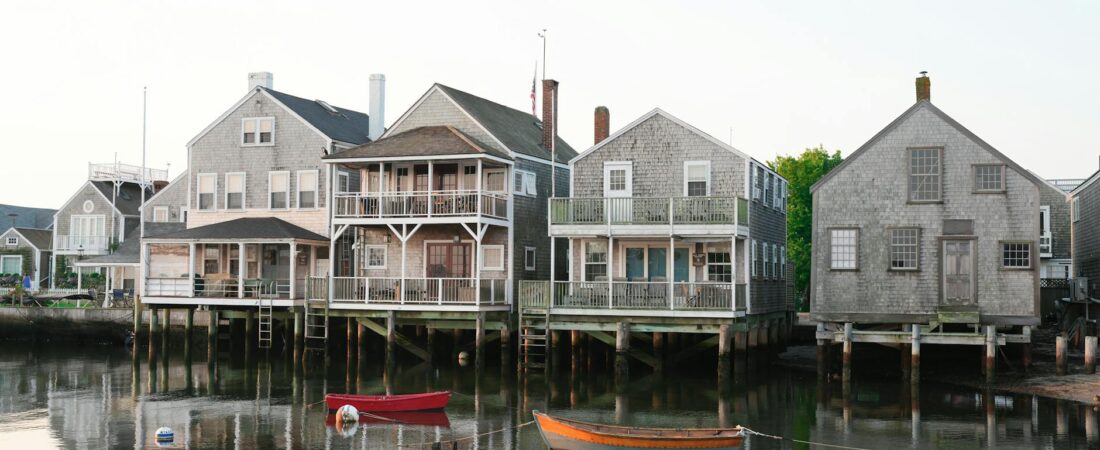
Most travelers spend their summer stuck in traffic heading toward the same three crowded beaches, missing the quiet charm of the Atlantic shoreline. You can escape the noise by exploring the rugged, salt-sprayed corners of the coast where local artisans and fresh seafood define the day. Quick version: This guide outlines the best New England coastal towns for your summer trip, focusing on authentic maritime culture, outdoor adventures, and manageable travel logistics.
- Best Months: June through early September for peak weather.
- Daily Budget: $200–$350 per day (prices may vary – check before you go).
- Ideal Trip Length: 5 to 7 days to cover multiple towns.
- Language: English.
- Tactical Pro Tip: Book local lodging at least four months in advance to avoid high-season price spikes.
Why coastal New England remains a top summer destination
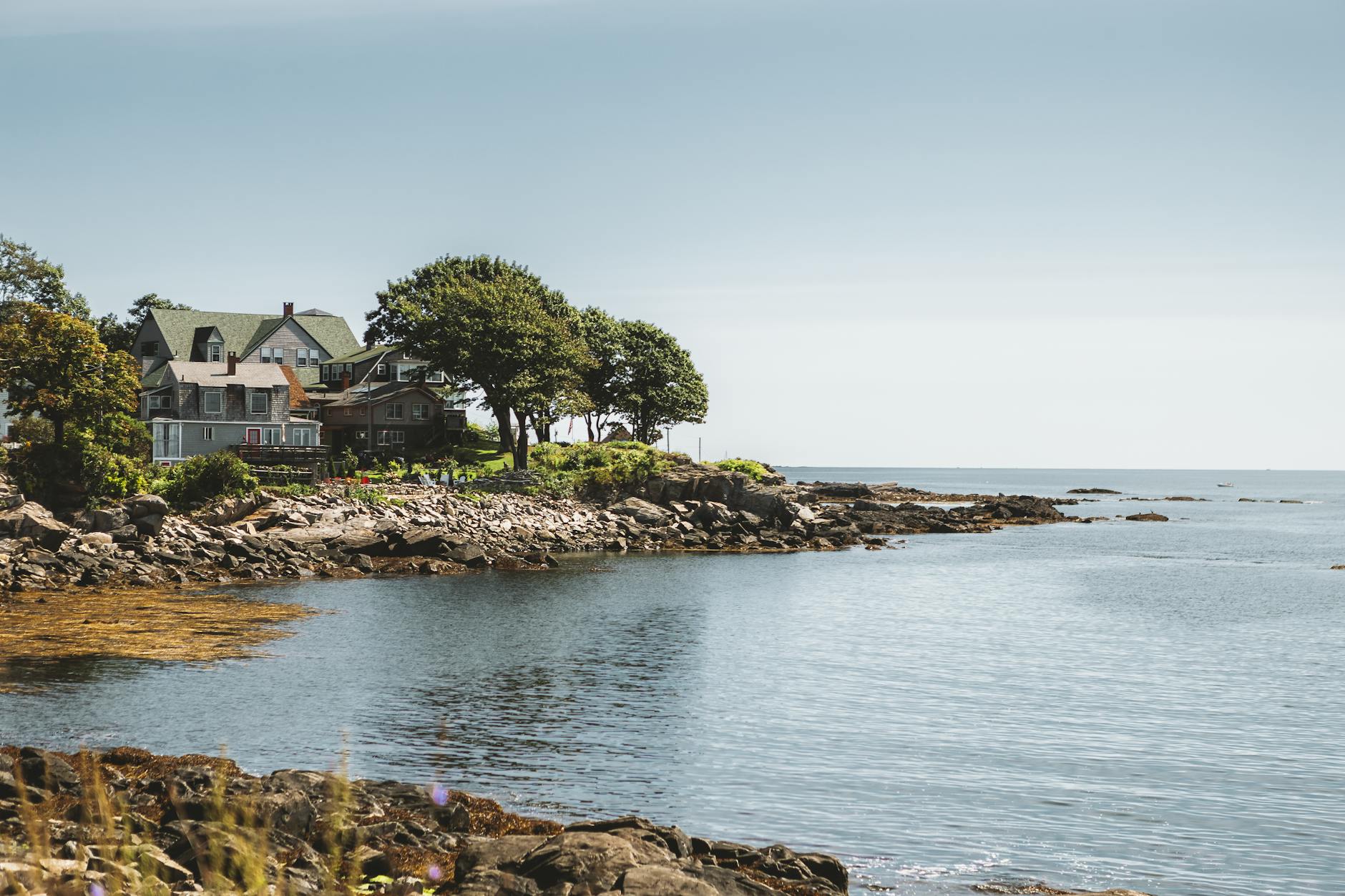
The allure of the Atlantic coast lies in its blend of harsh maritime history and modern, relaxed living. You’ll find that each town offers a distinct personality, ranging from busy fishing ports to sleepy, windswept peninsulas. Selecting the right base is the most important decision for your coastal vacation planning.
By sticking to the shoreline, you gain access to fresh ingredients, cool ocean breezes, and a pace of life that prioritizes outdoor exploration over city stress. Whether you enjoy kayaking through hidden inlets or walking along historic wharves, the geography here favors those who move slowly.
What are the best New England coastal towns to visit?
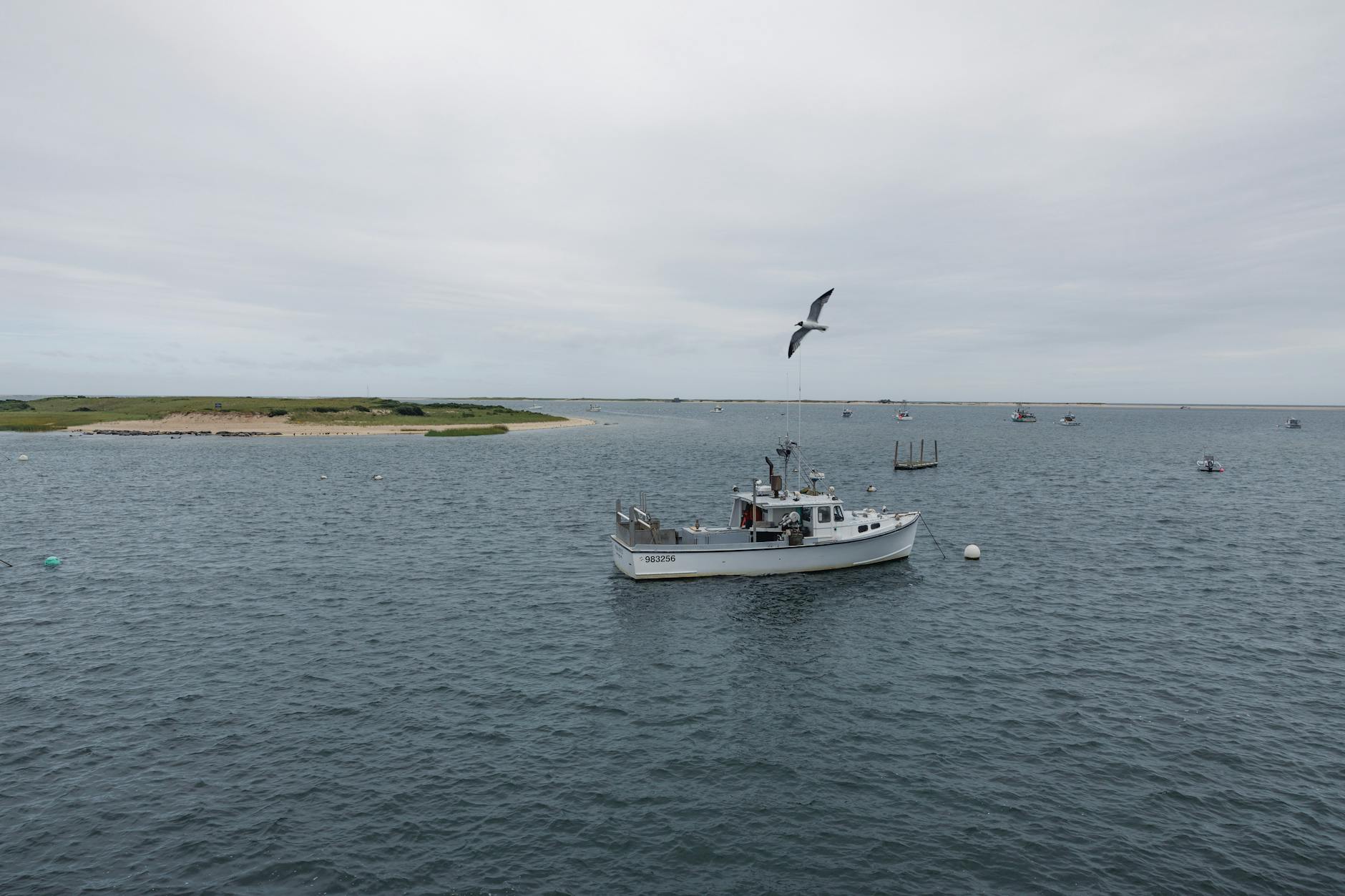
The best New England coastal towns offer a mix of walkable downtown areas, protected nature preserves, and high-quality local dining. You should prioritize spots that balance tourist amenities with a genuine sense of place.
The most accessible towns feature working harbors where you can watch lobster boats return with their daily catch. Look for destinations that provide easy access to public parks and coastal trails. These environments allow for a relaxing trip without the need for constant driving.
Rockport, Massachusetts
Rockport sits at the tip of the Cape Ann peninsula, providing a dramatic landscape of granite cliffs and rocky inlets. You’ll spend your time walking Motif Number 1, a bright red shack on the harbor that serves as a symbol for local artists. It’s best for travelers who want a quiet, walkable base without the commercial crowds found in other regions.
The town restricts large chain stores, preserving a local aesthetic that feels authentic rather than staged. You’ll find plenty of galleries and small shops tucked into narrow lanes leading down to the water. Spend your afternoons hiking the trails at Halibut Point State Park for expansive views of the Atlantic.
Kennebunkport, Maine
This town balances its reputation for elegance with a deeply rooted maritime tradition. You’ll enjoy walking through the Dock Square area, which features well-preserved architecture and high-end boutiques. It’s ideal for those who want to combine nature walks with comfortable, upscale lodging options.
Beyond the town center, the coastline offers sandy stretches like Goose Rocks Beach, perfect for morning walks when the tide is low. You can rent a bicycle to explore the winding roads that lead toward the scenic point at Cape Porpoise. This area is less about high-speed thrills and more about long, slow afternoons by the water.
Mystic, Connecticut
Mystic serves as a premier destination for those who want to immerse themselves in maritime history through interactive experiences. You’ll find the Seaport Museum to be a highlight, featuring restored wooden ships and a working shipyard. It’s perfect for families or anyone interested in the technical side of how early vessels were constructed.
The downtown area features a historic bascule bridge that opens regularly to let boat traffic pass through the river. You can walk along the riverfront to find cafes serving locally sourced seafood. For a change of pace, visit the nearby wetlands to observe local bird species in their natural habitat.
Newport, Rhode Island
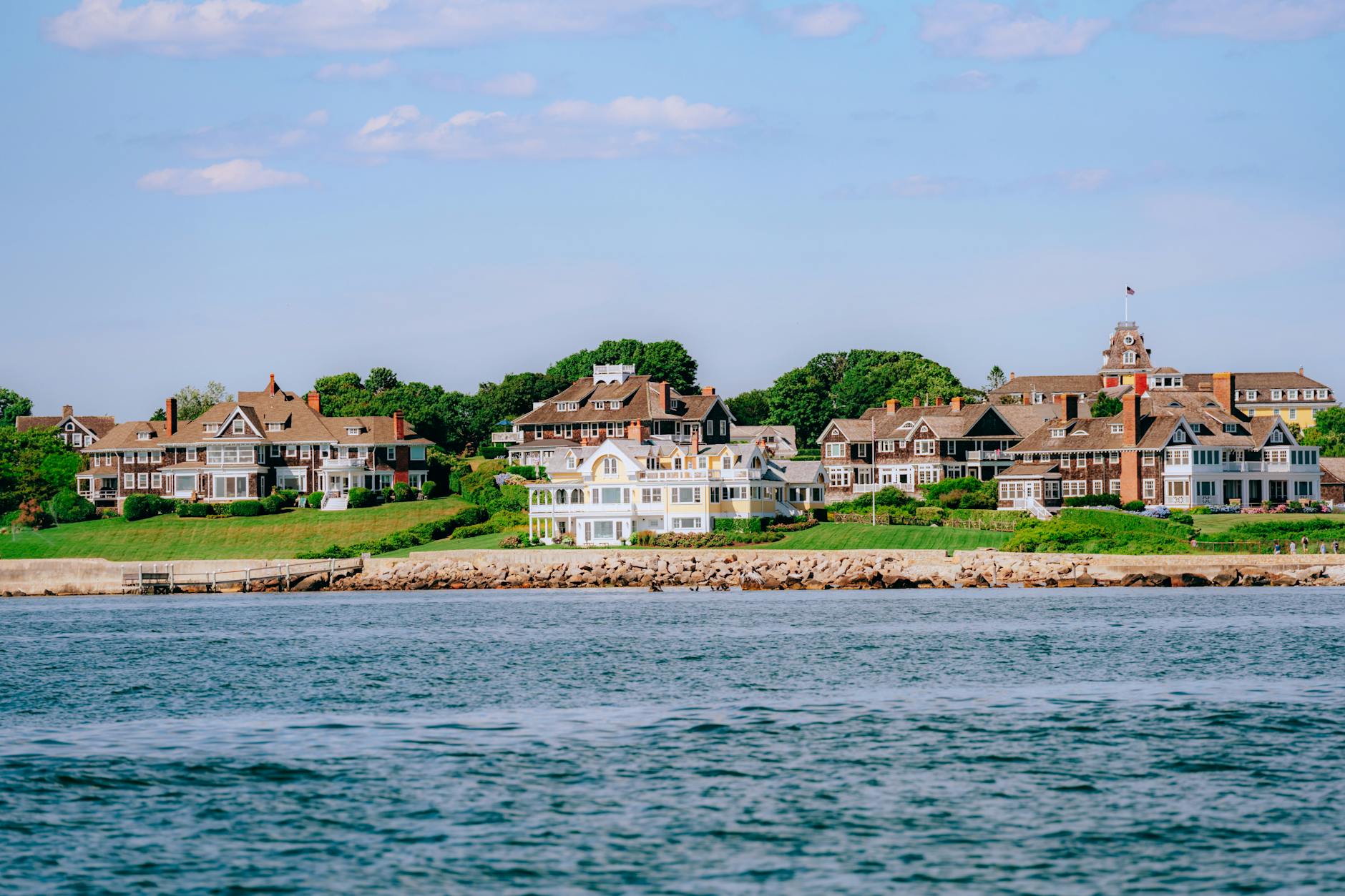
Newport is famous for its grand architecture and its role in sailing history. You’ll want to focus your time on the Cliff Walk, a three-mile public path that hugs the coastline and offers views of massive historic estates. It’s best for visitors who enjoy architecture and want a slightly more active, social environment.
The harbor is constantly filled with sailing vessels, making it a great place to watch the water from a park bench. Beyond the mansions, the town offers extensive public gardens and oceanfront parks that are free to explore. You can easily spend two or three days here without running out of things to see.
Essential logistics for your coastal trip
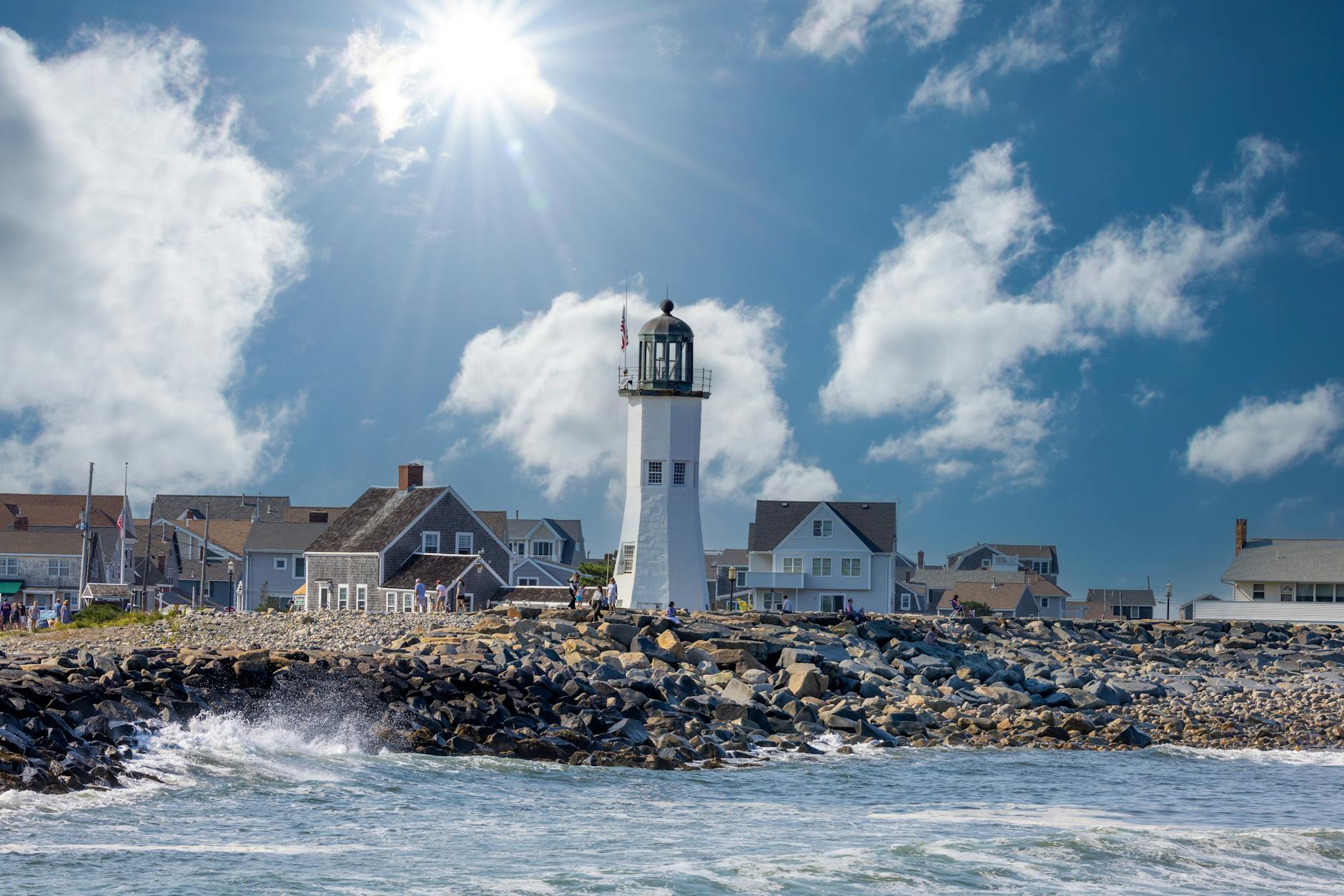
Getting around the coast requires a car if you plan to visit multiple towns over the course of a week. Rental agencies are located at major airports like Boston or Providence. Once you arrive in a town, try to park your vehicle and walk, as many of these centers were built before modern traffic was a concern.
Budgeting for your New England coastal towns visit should account for higher prices during the July and August peak season. You’ll find that mid-range hotels often cost between $250 and $400 per night (prices may vary – check before you go). Booking directly with independent inns can sometimes save you money compared to large online travel platforms.
Common mistakes to avoid
Over-scheduling your days
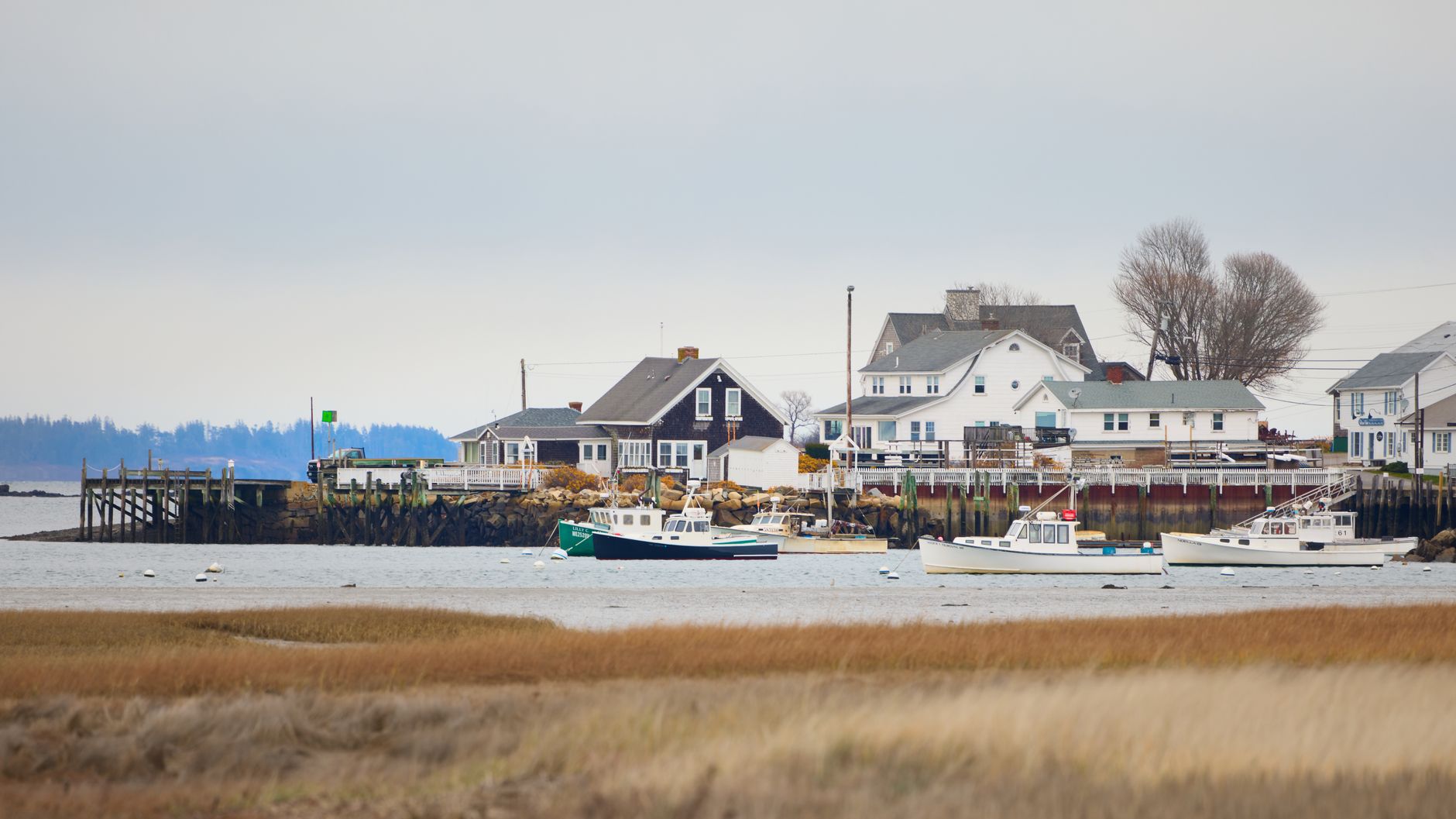
Many travelers try to visit three towns in a single day, spending more time in the car than on the coast. Limit yourself to one main destination per day to experience the local environment properly.
Ignoring the tide tables
Coastal activities like exploring tide pools or walking long stretches of beach depend entirely on the tides. Check the local tide charts every morning so you don’t arrive at a beach only to find it entirely submerged.
Relying solely on GPS
Some of the most beautiful coastal roads are not the fastest routes, and GPS will often try to push you toward highways. Look for signs marked “Scenic Route” to find the paths that hug the shoreline.
Common Questions
What is the best month to visit New England coastal towns?
September is widely considered the best month because the summer crowds have departed and the ocean remains warm enough for swimming. You will also find lower rates for accommodations after the Labor Day holiday.
Are these towns walkable?
Most historic coastal towns are highly walkable once you arrive in the center. However, you will need a vehicle to travel between different towns along the coast, as public transit is limited.
Is it expensive to visit the coast in the summer?
Summer is the peak tourism season, so lodging and dining prices are at their highest. You can manage your budget by choosing locally owned inns and focusing on free activities like hiking coastal trails or visiting public beaches.
Do I need reservations for activities?
Popular attractions and high-end dining spots require reservations during summer weekends. It’s best to secure these at least two weeks before your arrival to ensure availability.
Your summer plans should prioritize the quiet rhythm of the tides and the long, golden hours of the Atlantic coast. By selecting the right New England coastal towns to explore, you transform a hectic vacation into a restorative break. Pack light, keep your schedule flexible, and enjoy the salt air.