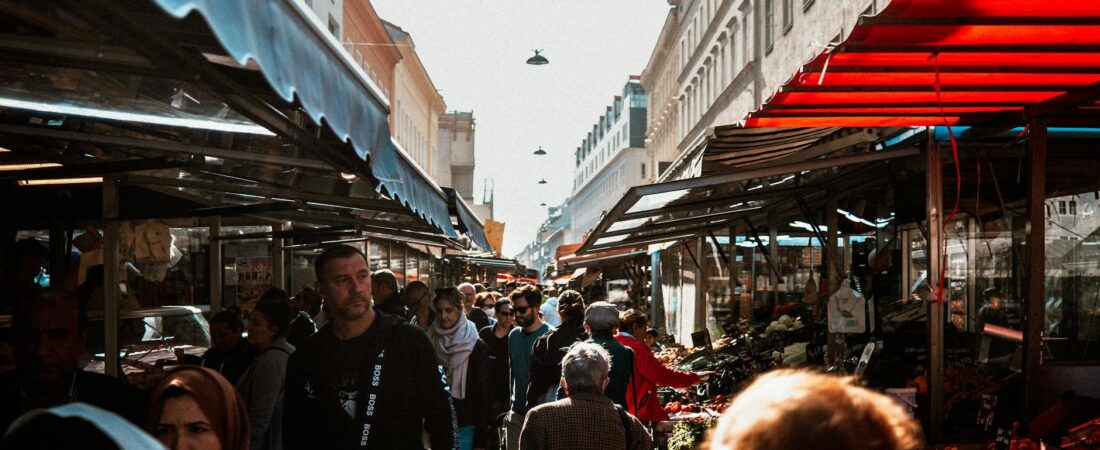
Europe often carries a reputation for being an expensive playground, but you can explore world-class cities without draining your savings. Finding affordable places to visit in Europe requires looking beyond the typical capital city hotspots where prices for hotels and meals skyrocket. Quick version: Focus on cities in Central and Eastern Europe, travel during the shoulder seasons of May or September, and prioritize public transport to keep your daily budget under $100.
- Best months to visit: May, June, September, and October.
- Daily budget range: $60 – $90 per person.
- Ideal trip length: 7 to 10 days.
- Language: English is widely spoken in tourist zones, but learning local greetings helps.
- Pro tip: Always carry a student ID or youth card if you qualify for significant museum discounts.
Why should you consider Krakow, Poland for your next trip?
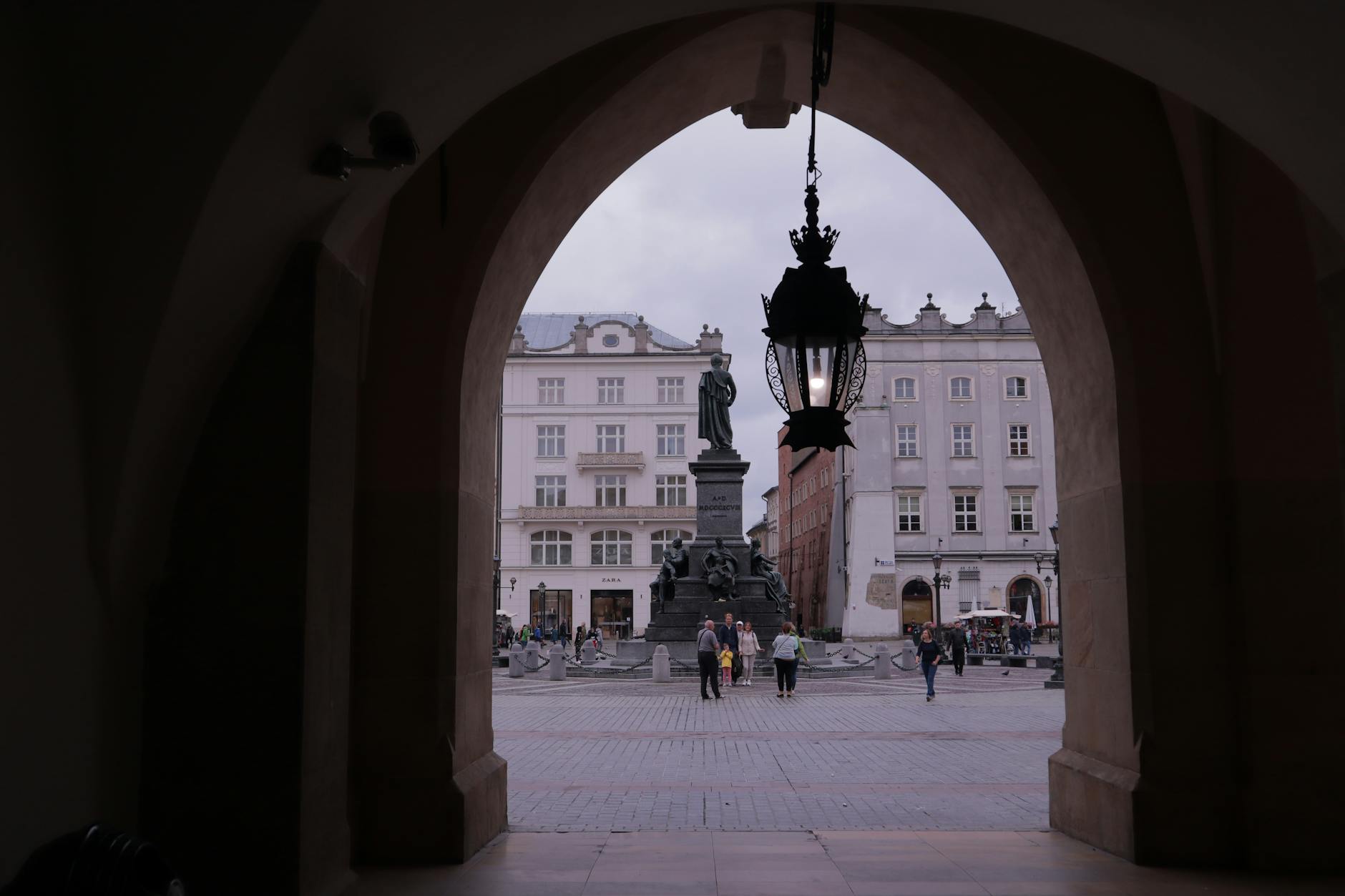
Krakow offers a deep dive into history and culture at a fraction of the cost found in Western European hubs. You will find that a sit-down meal at a local bistro often costs between $8 and $12, leaving you plenty of room in your budget for activities.
Spend your mornings wandering through the expansive Main Market Square, the largest medieval town square in Europe. You can explore the various museums and galleries nearby for modest entry fees, usually ranging from $5 to $10 per person (prices may vary – check before you go).
How can you enjoy Sofia, Bulgaria on a budget?
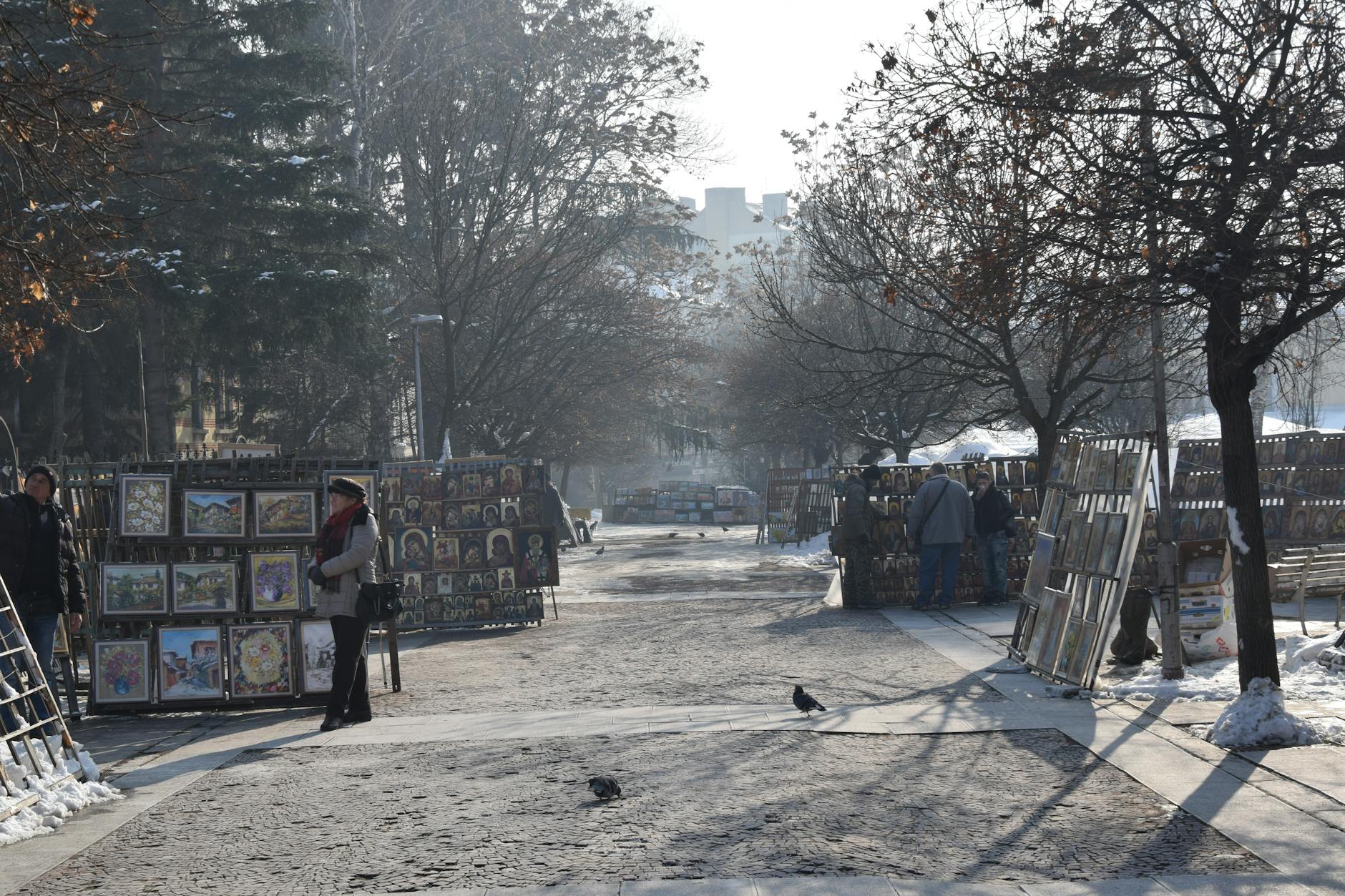
Sofia is frequently overlooked by travelers, which keeps prices refreshingly low for those who choose to visit. You will find that accommodation in central areas remains affordable even during peak summer months, often hovering around $40 to $60 per night for a well-rated guesthouse.
Walking tours are a staple here, and many operate on a donation basis, allowing you to pay what you feel the experience is worth. Make sure to visit the Vitosha Mountain foothills, which are easily accessible by public bus for less than $2, providing you with incredible natural scenery and fresh air.
What makes Sarajevo, Bosnia and Herzegovina an affordable gem?
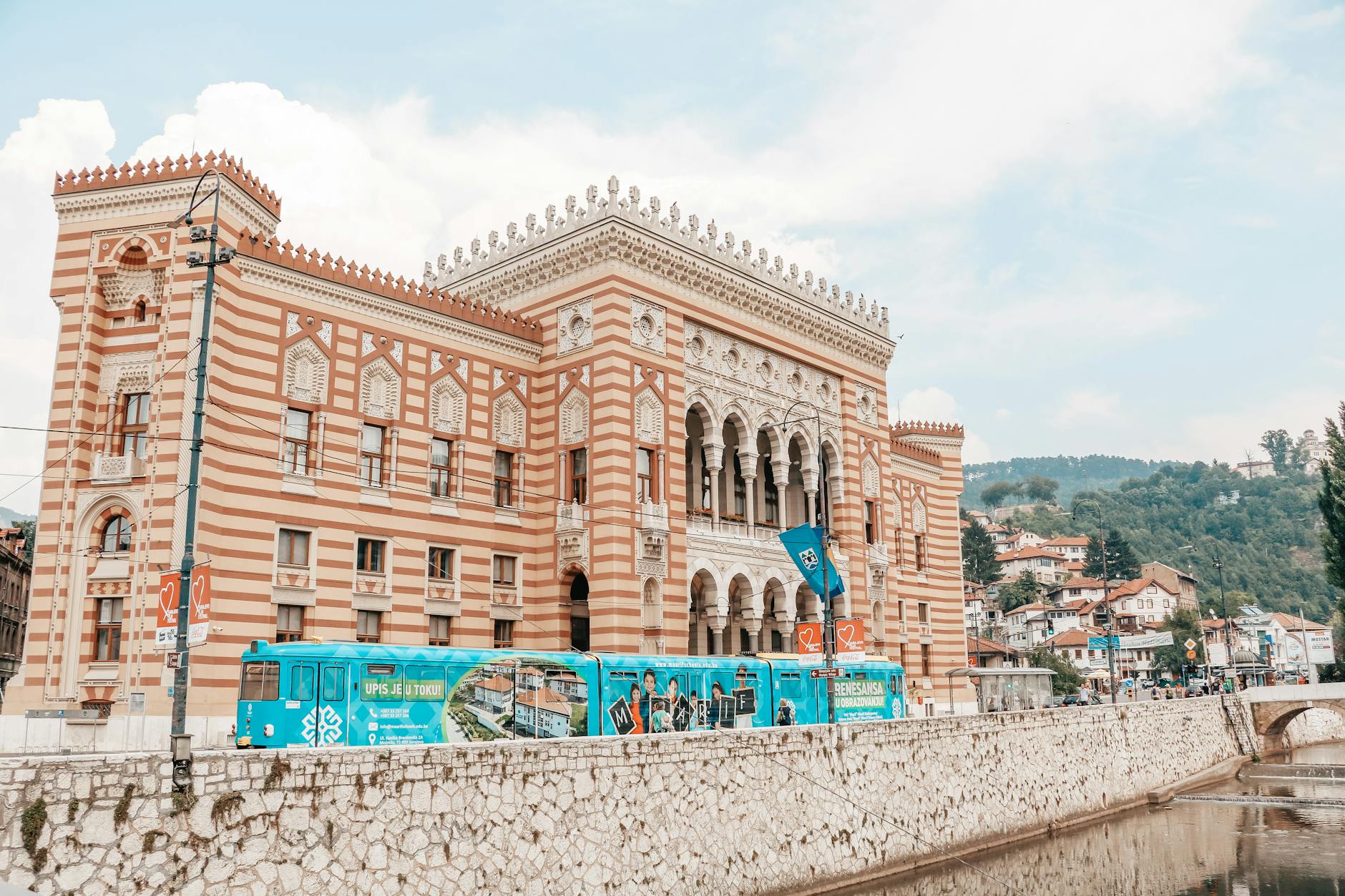
Sarajevo sits at the crossroads of different traditions, visible in its diverse architecture and vibrant market streets. You can easily spend an entire day exploring the Baščaršija district, where coffee and traditional pastries cost only a few dollars.
The city is surrounded by mountains, making it an ideal spot for hiking enthusiasts who want to avoid the high costs of Alpine resorts. Budget for roughly $50 per day to cover your lodging, local transport, and hearty meals consisting of regional specialties like grilled meats and fresh bread.
Is Budapest, Hungary still a budget-friendly destination?
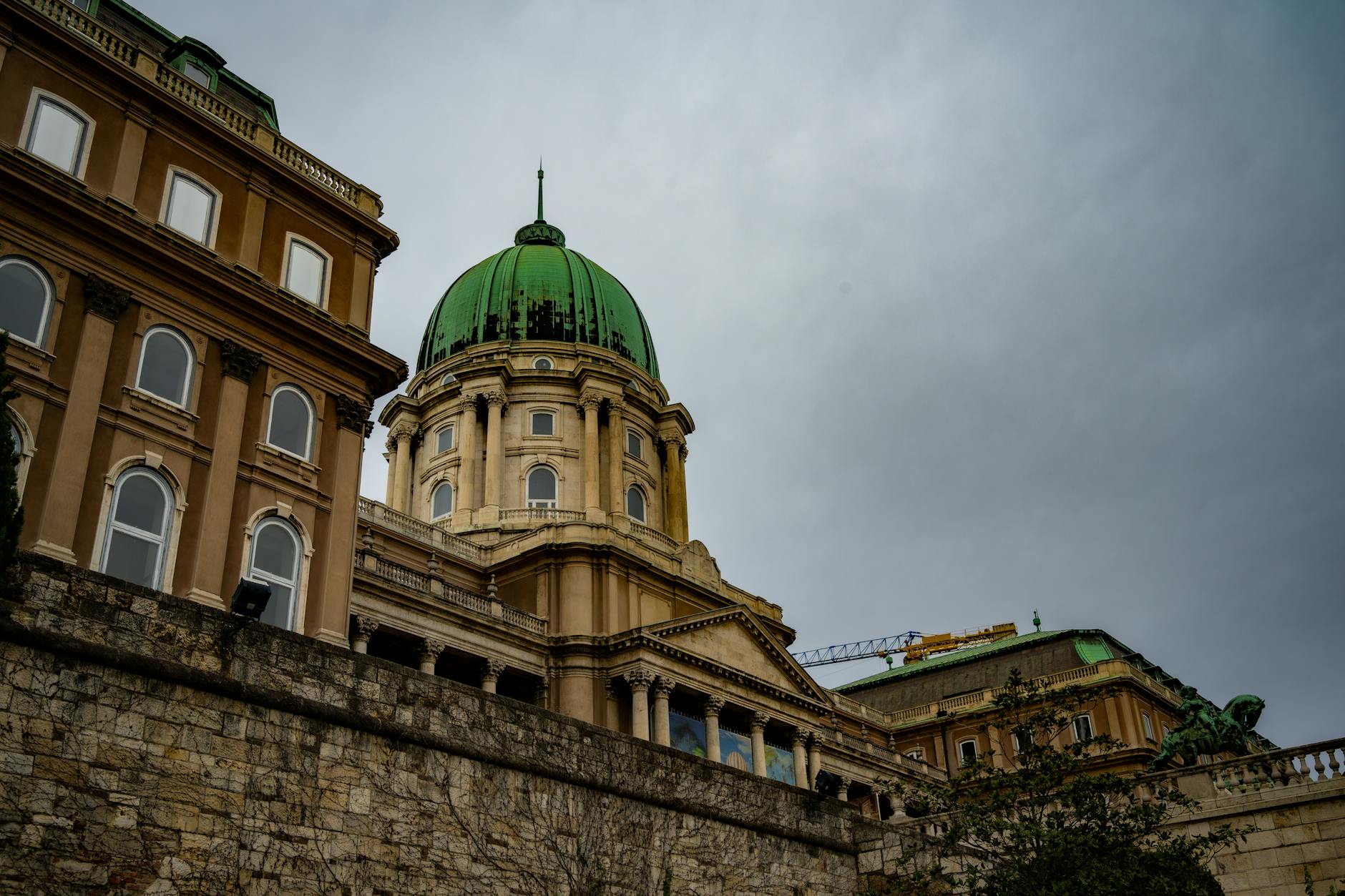
Budapest remains one of the most accessible cities in Europe, provided you stick to the local side of the river. While some areas have seen price increases, you can still find excellent value by eating at local canteens and utilizing the city’s robust metro system.
Thermal baths are a must-do, with entry tickets starting at approximately $20 to $25. These facilities provide a relaxing way to spend an afternoon without needing to spend extra money on expensive spa retreats elsewhere.
Practical planning for your European trip
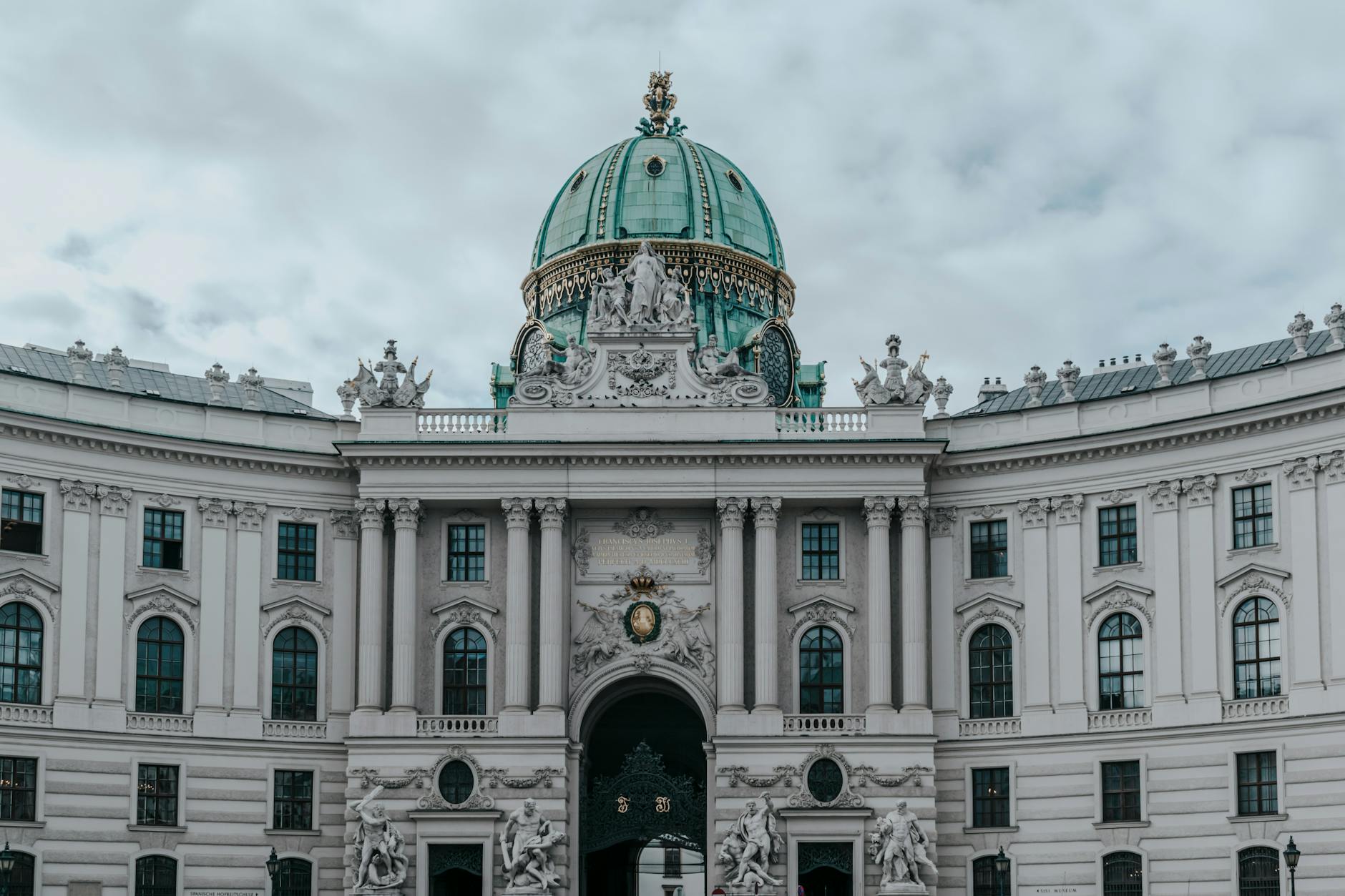
Choosing the right area to stay in is your biggest lever for controlling costs. Look for neighborhoods just outside the main tourist centers, which are usually well-connected by public transport and offer lower nightly rates.
Getting around is best handled by regional trains or budget bus lines like FlixBus. These services are reliable and significantly cheaper than flying between cities, especially if you book your tickets at least two weeks in advance.
Avoid the common mistake of trying to visit too many cities in one trip. You will spend less money and have a more enjoyable time if you slow down and spend four or five days in each location rather than rushing through several countries.
Download apps like Citymapper or Google Maps for real-time transit updates to avoid getting lost or taking unnecessary rideshares. These tools help you navigate like a local and keep your daily travel logistics stress-free.
Common Questions
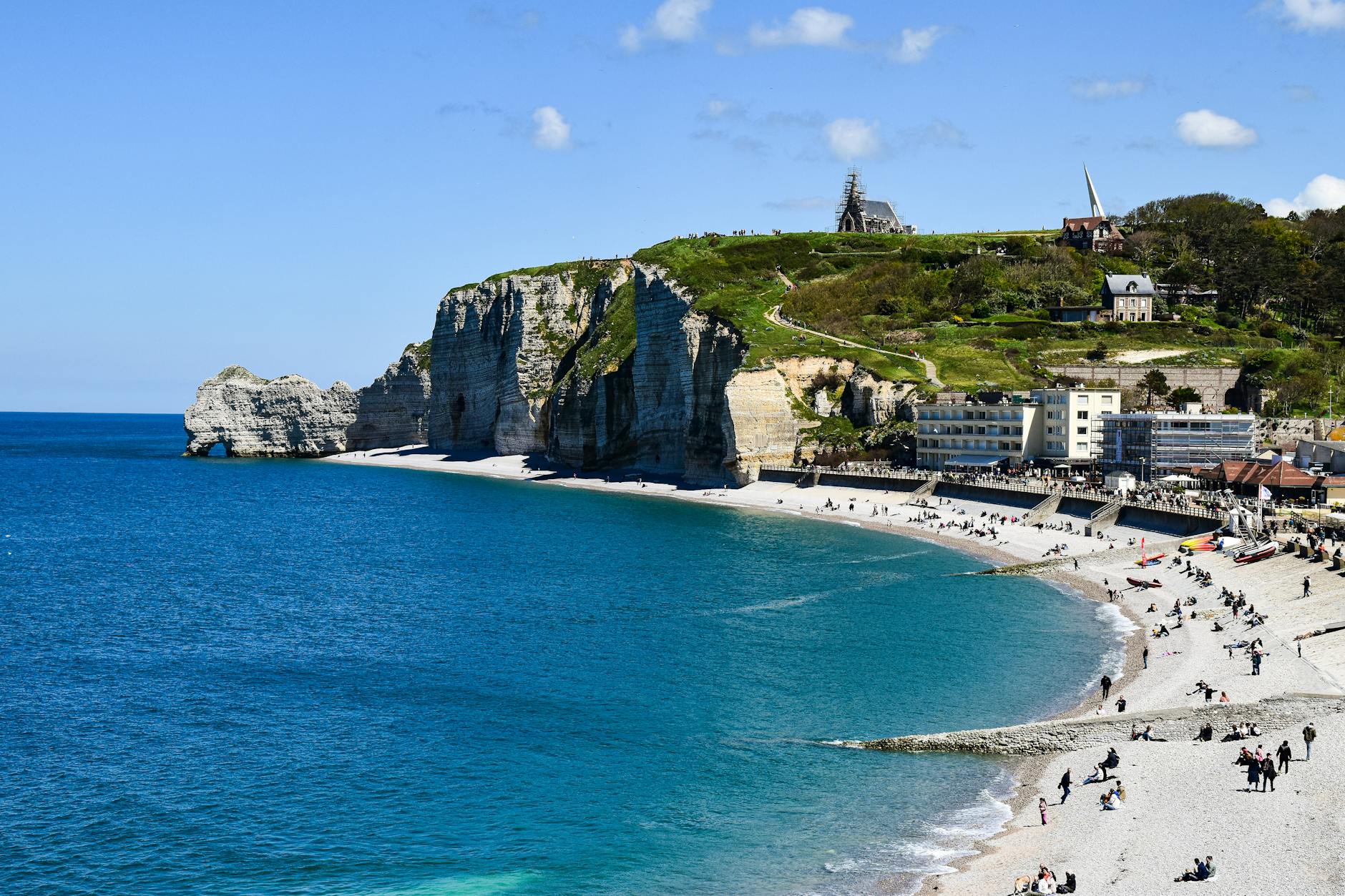
How much money should you budget for a week in affordable European cities?
You should estimate a daily budget of $70 to $100 per person to cover accommodation, food, and local activities. This range allows for comfortable guesthouses, daily meals at local eateries, and multiple museum visits without needing to be overly restrictive with your spending.
Are there truly affordable places to visit in Europe during summer?
Yes, you can find affordable places to visit in Europe during the summer by targeting countries like Poland, Bulgaria, and Romania. While flights might be more expensive, your daily costs on the ground remain significantly lower than in Western Europe, balancing out your overall travel expenses.
What is the best way to save on food while traveling?
Focus on local bakeries, street food markets, and grocery stores for your main meals instead of dining at tourist-centric restaurants. Many cities offer daily lunch specials that provide a full meal for less than $10, which is a great way to taste local cuisine while saving money.
Should you use a travel card for public transport?
Purchasing a city-specific travel card is almost always the most cost-effective option if you plan on using public transport more than twice a day. These cards often include unlimited access to buses, trams, and subways, along with added discounts for various museums and city attractions.