
Picking your first European trip can feel overwhelming because every corner of the continent offers something unique. You want a destination that balances accessibility, iconic sights, and easy navigation for your initial venture abroad. Quick version: Focus on cities like Copenhagen, Amsterdam, and Vienna for their walkability, public transit, and abundance of secular museums and parks that cater perfectly to new travelers.
- Best Months: May, June, and September for mild weather and fewer crowds.
- Daily Budget: $150–$250 per person for mid-range comfort.
- Language: English is widely spoken in major hubs, but learning basic greetings helps.
- Pro Tip: Always validate your transit ticket before boarding to avoid heavy fines.
Why Copenhagen is Perfect for New Travelers
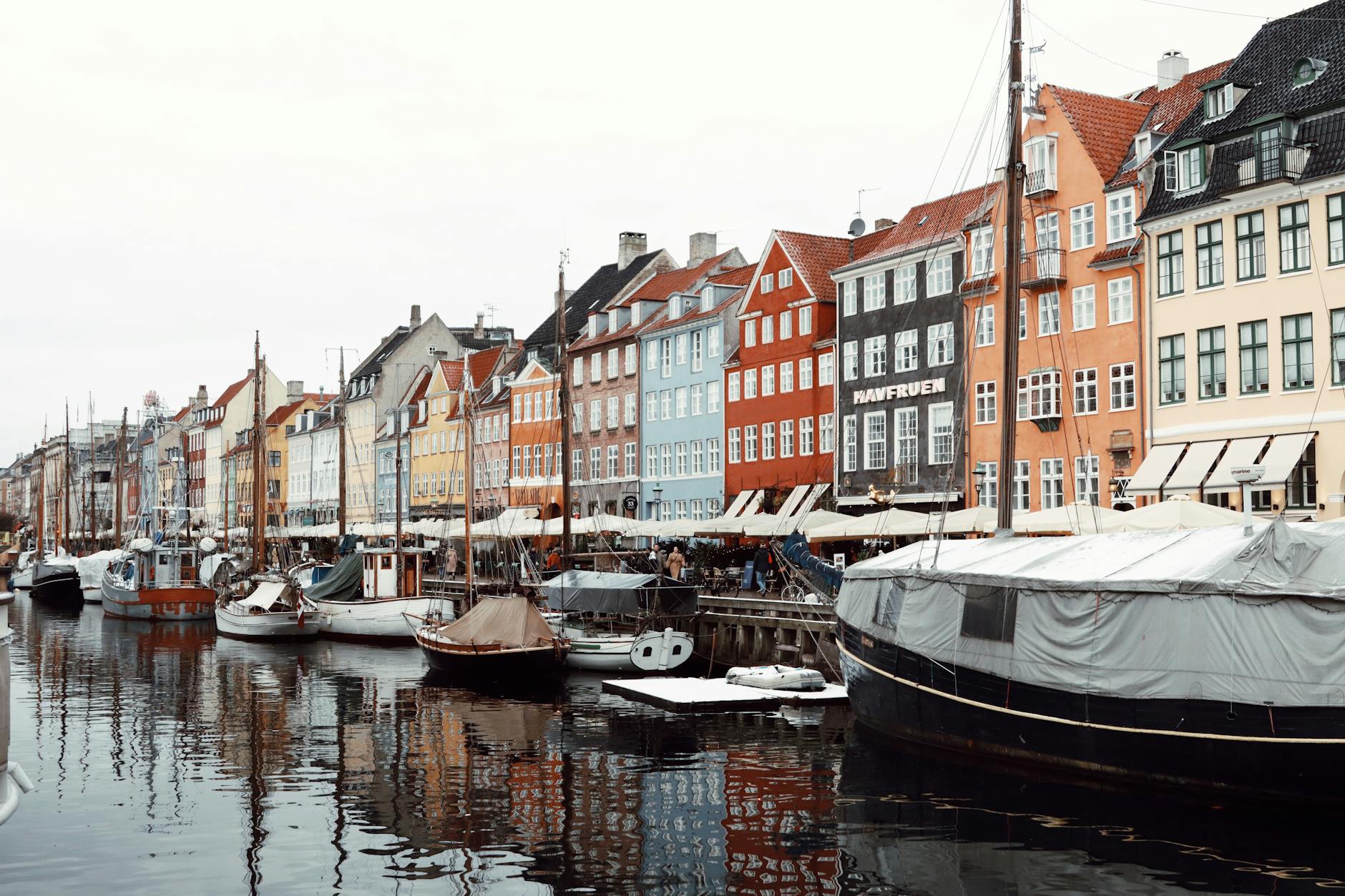
Copenhagen feels manageable because the city center is compact and largely pedestrian-friendly. You’ll spend your time biking alongside locals or walking through the colorful streets of Nyhavn. The city prioritizes design and efficiency, making it one of the most stress-free capitals to navigate.
The best things to do in Copenhagen center on the waterfront and public gardens. Spend an afternoon at the Botanical Garden, which features a massive glass house and extensive outdoor paths. Later, head to the Round Tower for a panoramic view of the skyline. The ramp leading to the top is unique because it spirals upward without stairs.
What are the best European cities for first-time visitors?
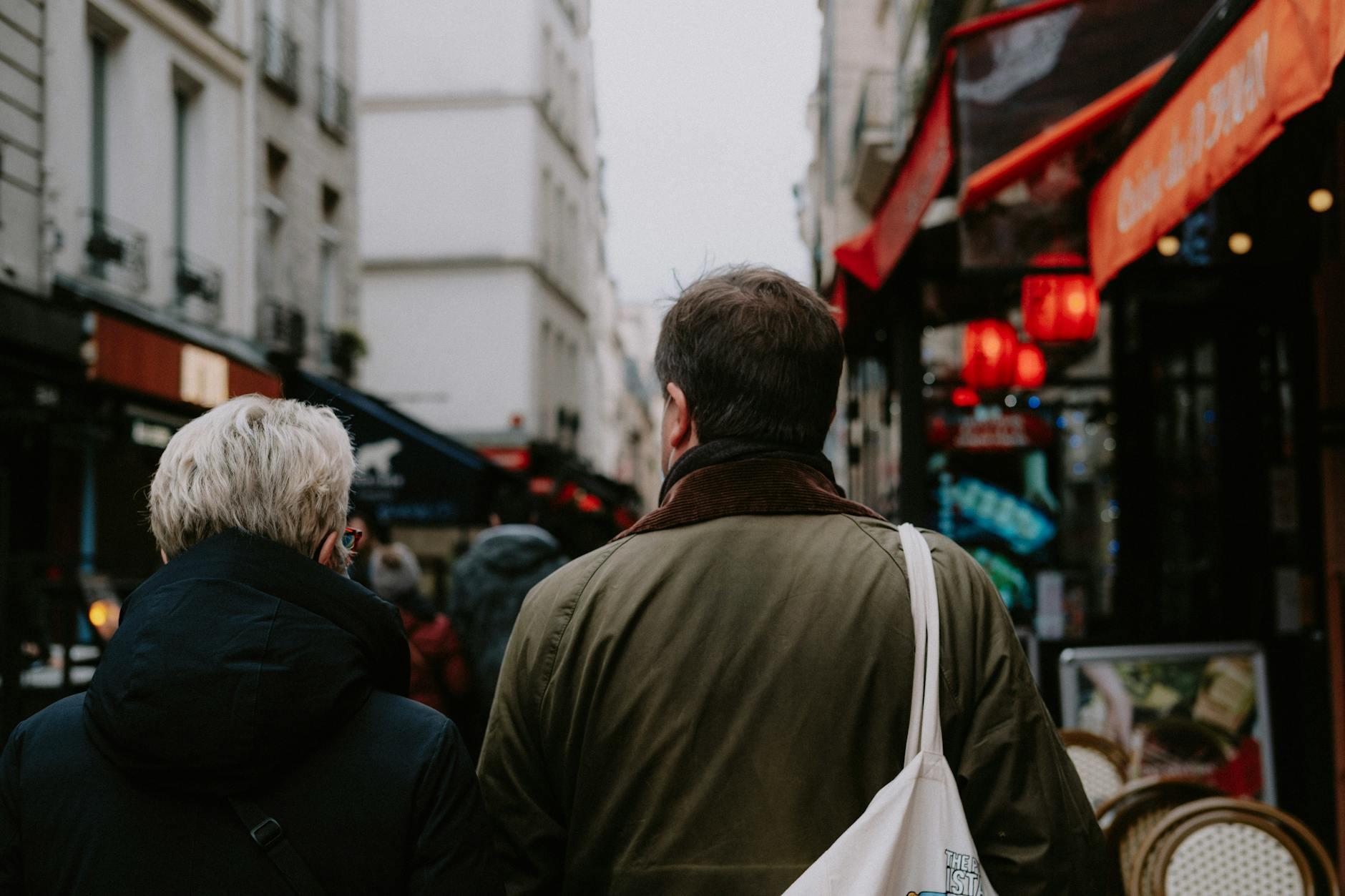
The best European cities for first-time visitors combine excellent public transportation, accessible major landmarks, and a high concentration of English-speaking locals. Copenhagen, Vienna, and Amsterdam stand out because they offer robust infrastructure, safe environments, and diverse museums that appeal to every interest. These locations allow you to explore independently without needing a tour guide or complex logistics for every movement.
Vienna: A Hub for Art and Music
Vienna offers a refined atmosphere where history meets modern convenience. You’ll find yourself wandering through wide boulevards filled with cafes and grand architecture. The city is exceptionally clean and organized, which helps if you feel nervous about visiting a foreign country for the first time.
Focus your visit on the grand palaces and public spaces. The Schonbrunn Palace grounds are massive, offering formal gardens and a hill that leads to the Gloriette. You can spend an entire day here without ever feeling rushed. For a different vibe, visit the Kunsthistorisches Museum to view one of the world’s most extensive collections of fine art.
Amsterdam: Waterways and Culture
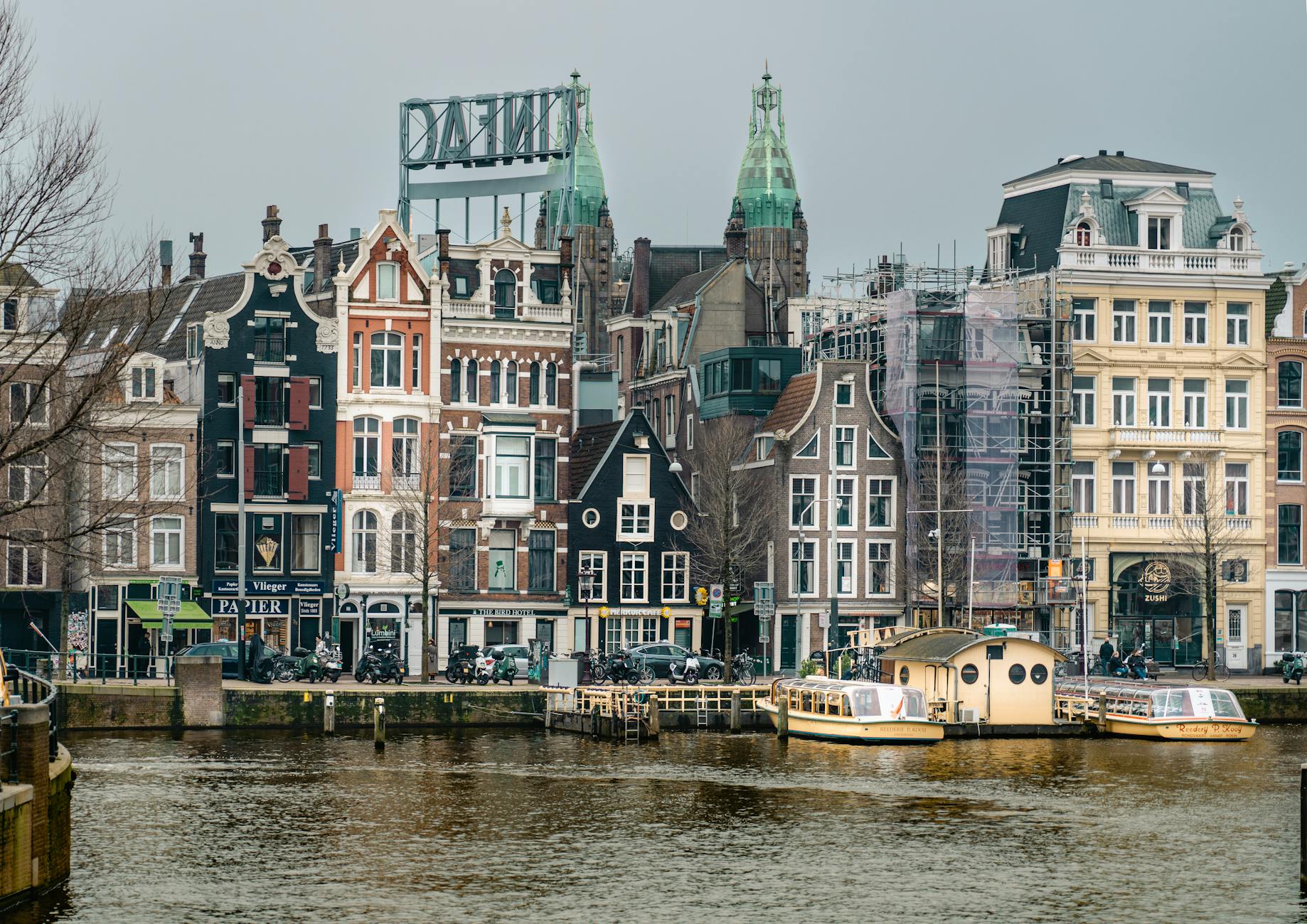
Amsterdam feels like an open-air museum thanks to the historic canal ring. You’ll find that navigating the city is straightforward once you understand the layout of the concentric canals. Many visitors prefer renting a bike to move between neighborhoods, but the tram system is equally reliable for reaching further destinations.
Visit the Rijksmuseum to see incredible works of Dutch masters in a stunning, secular gallery setting. If you prefer nature, the Vondelpark provides a massive green space perfect for a picnic or a relaxing walk. It is a local favorite and offers a quiet escape from the busier sections of the city center.
Practical Planning for Your European Trip
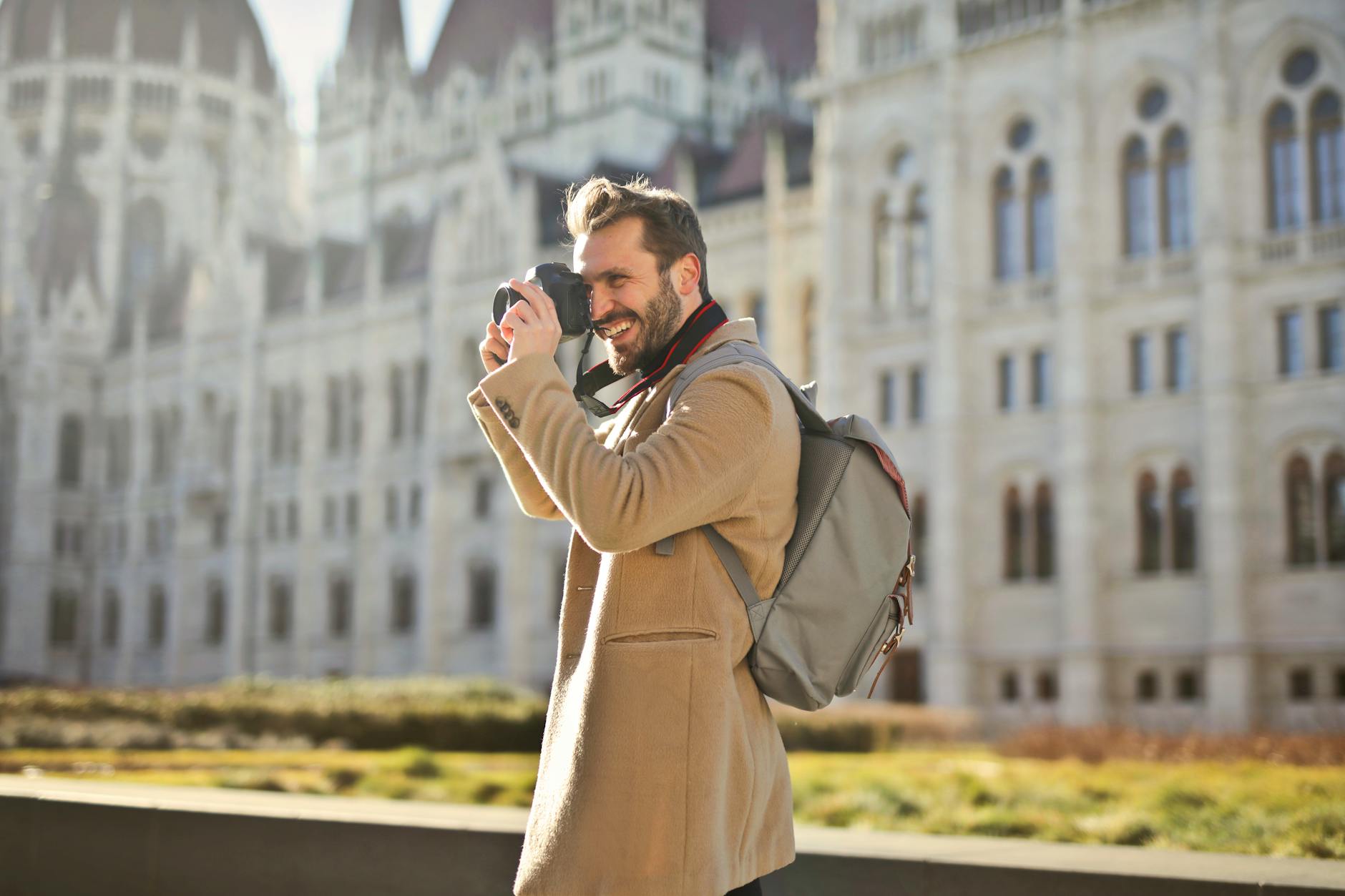
Choosing where to stay makes a huge difference in your experience. Look for hotels located near major transit hubs to minimize travel time to popular attractions. Central neighborhoods often carry a higher price tag, but the trade-off is being within walking distance of most major sights.
Download a reliable map app that works offline to ensure you never get lost. You should also carry a portable power bank because your phone will be in constant use for navigation and photos. Avoid the common mistake of over-scheduling your days. Leave room for spontaneous stops at local markets or parks.
Budgeting for Your First Trip
| Category | Budget Daily |
|---|---|
| Accommodation | $80–$150 |
| Food | $40–$70 |
| Transport | $15–$25 |
| Activities | $20–$40 |
Common Questions

What is the easiest way to travel between these cities?
Trains are the most efficient and comfortable option for moving between major European hubs. High-speed rail connections link most capitals, allowing you to travel city-to-city without the hassle of airport security.
Do I need to carry cash while traveling in Europe?
Most cities are highly digital, and you can pay for almost everything with a contactless card or phone. Keep a small amount of local currency for minor purchases, but it is rarely necessary for daily expenses.
How do I handle language barriers?
You will find that most people in tourism and hospitality sectors speak English fluently. Learning a few polite phrases in the local language is a respectful gesture that locals appreciate.
Are these cities safe for solo travelers?
Yes, these cities are generally very safe with low crime rates. Use common sense, keep your belongings secure in crowded areas, and remain aware of your surroundings at all times.
Which city is best for a short trip?
Copenhagen is ideal for a short trip because its compact nature allows you to see the highlights in just two or three days. You will spend less time in transit and more time enjoying the atmosphere.
As you finalize your plans, remember that the best European cities for first-time visitors are those that make you feel comfortable and excited. Focus on the experiences that matter to you, whether it is visiting world-class art museums or enjoying calm afternoons in city parks. Your itinerary planning should prioritize quality over quantity for the smoothest possible experience.