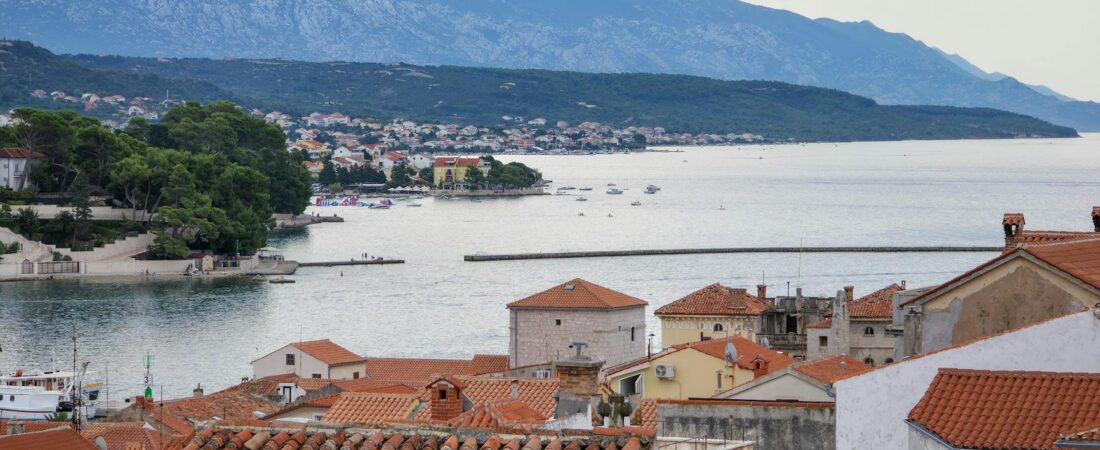
European summer vacations often carry heavy price tags, but specific regions remain surprisingly affordable if you avoid the typical tourist traps. Strategic planning allows you to experience the continent’s best summer weather without draining your savings account. Quick version: Prioritize Balkan countries and Eastern European cities to stretch your budget while enjoying world-class nature, food, and culture during the peak travel months.
- Best months for value: June and September (avoid August peaks).
- Daily budget range: $60–$90 per person for mid-range travel.
- Ideal trip length: 7–10 days to minimize transport costs.
- Key tactic: Use regional buses instead of flights between neighboring countries.
Why choose the Balkans for your budget summer trip?
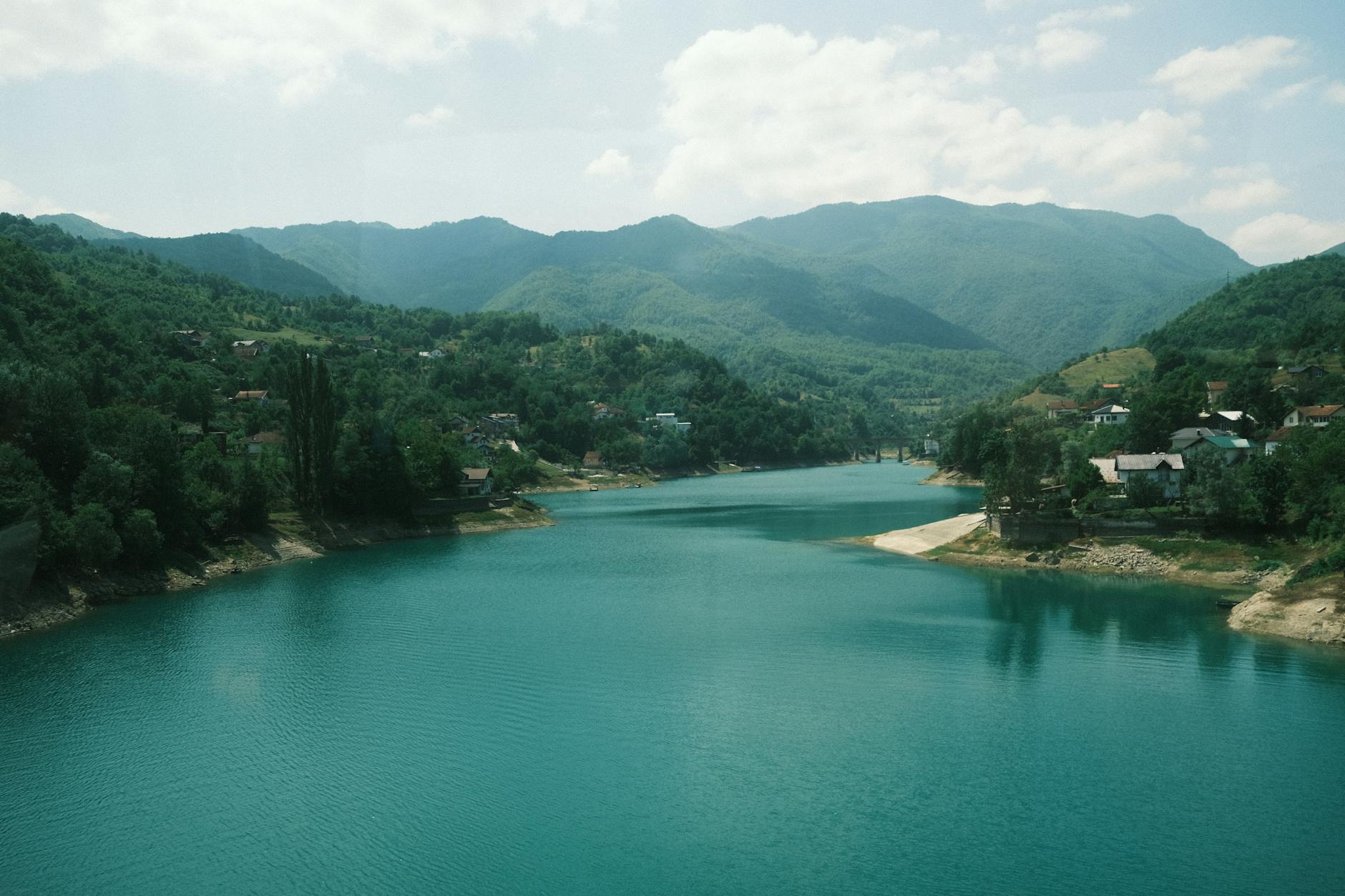
The Balkan Peninsula offers some of the most dramatic landscapes in Europe at a fraction of the cost found in Western counterparts. Albania, Montenegro, and Bosnia and Herzegovina provide access to pristine coastlines and rugged mountains. You can find high-quality guesthouses for $35 per night (prices may vary – check before you go).
Local transport remains inexpensive, with bus tickets between major cities costing between $10 and $25. Eating out is equally affordable, where a hearty dinner of grilled meats, fresh salads, and local bread typically costs under $15 per person. You will find that your money lasts nearly twice as long here compared to France or Italy.
What are the best cheap summer destinations in Europe for nature lovers?
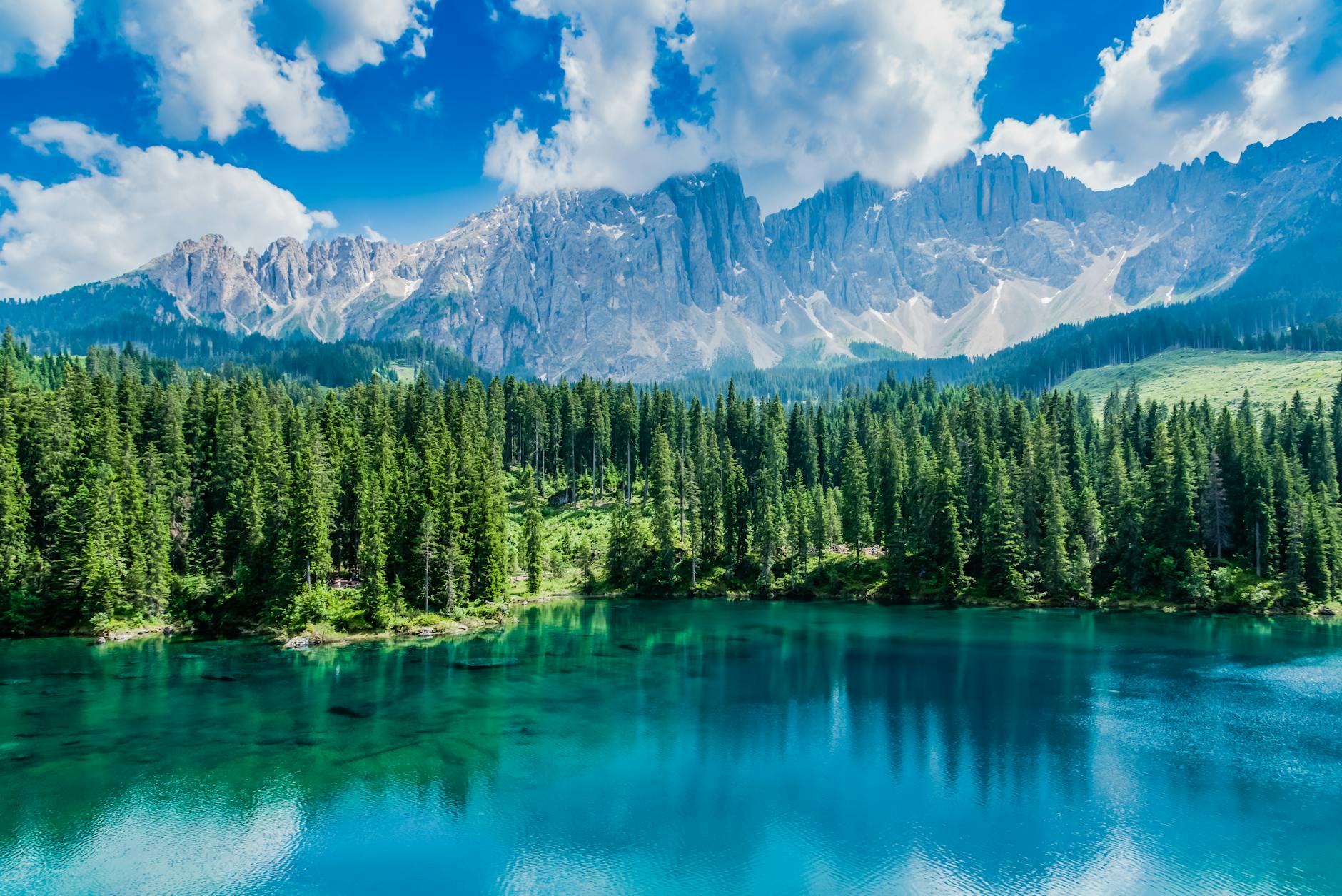
If you prefer hiking and alpine lakes over crowded city centers, head to the Tara River Canyon in Montenegro. This area features the deepest canyon in Europe and offers white-water rafting and mountain biking for roughly $40 to $60 per activity. You can explore the surrounding scenic mountain trails without paying any entrance fees.
Another excellent option is the Durmitor National Park. Accommodations in the nearby town of Žabljak are plentiful and budget-friendly during the summer months. You will spend your days walking through dense forests and visiting glacial lakes, keeping your daily expenses well below $70.
How can you save money on food while traveling in Europe?
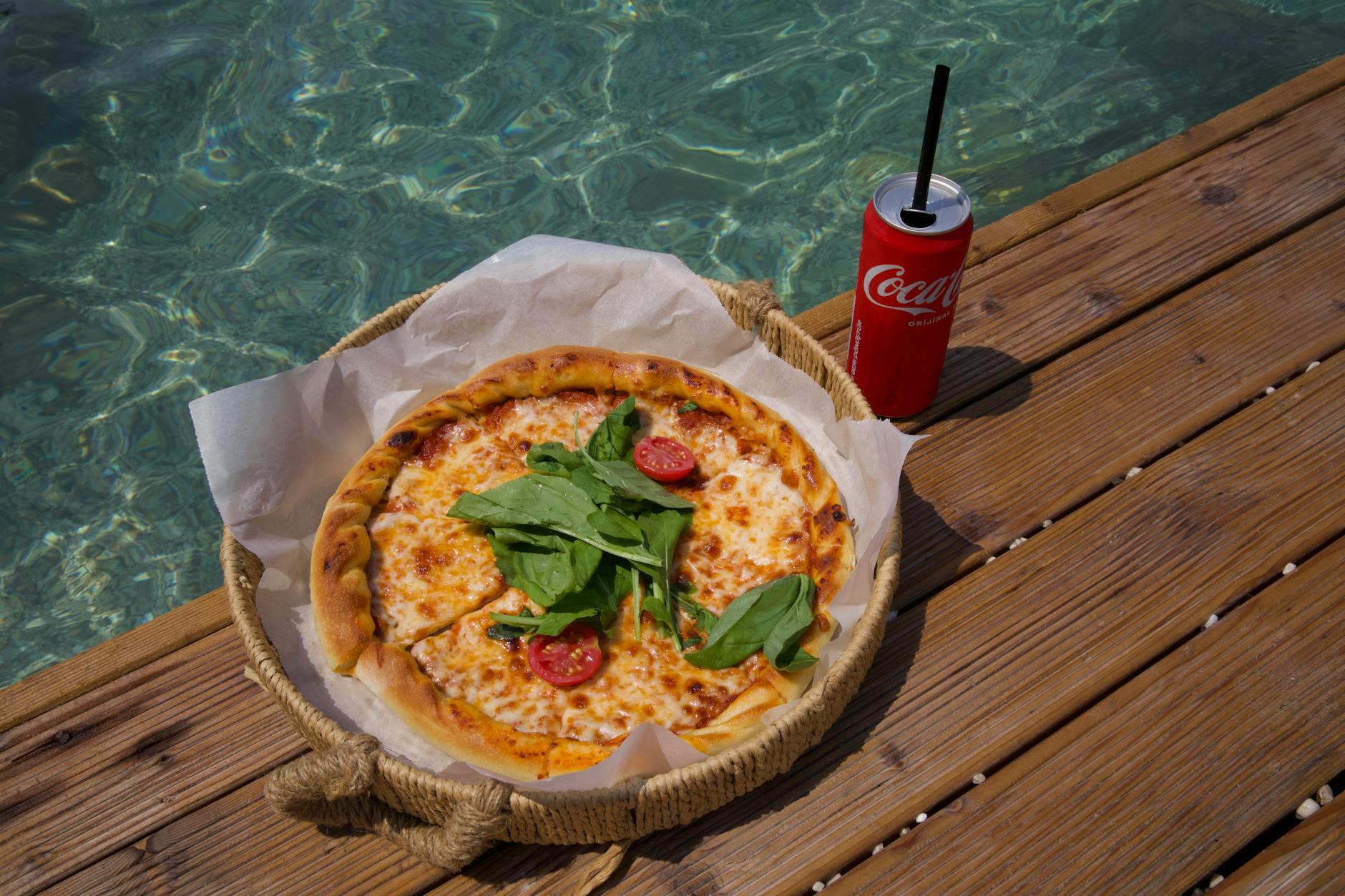
Food costs often destroy travel budgets, but you can manage these expenses by focusing on local market culture. Visit neighborhood markets in the morning to buy fresh bread, seasonal fruits, and local cheeses for a picnic lunch. This simple habit saves you $20 per day compared to eating in sit-down restaurants.
Look for bakeries that sell savory pastries like burek in the Balkans or pierogi in Poland. These filling snacks cost between $2 and $5 and provide enough energy for hours of exploration. Always carry a reusable water bottle, as most cities have public fountains with clean, drinkable water.
Is Poland a good budget summer destination?
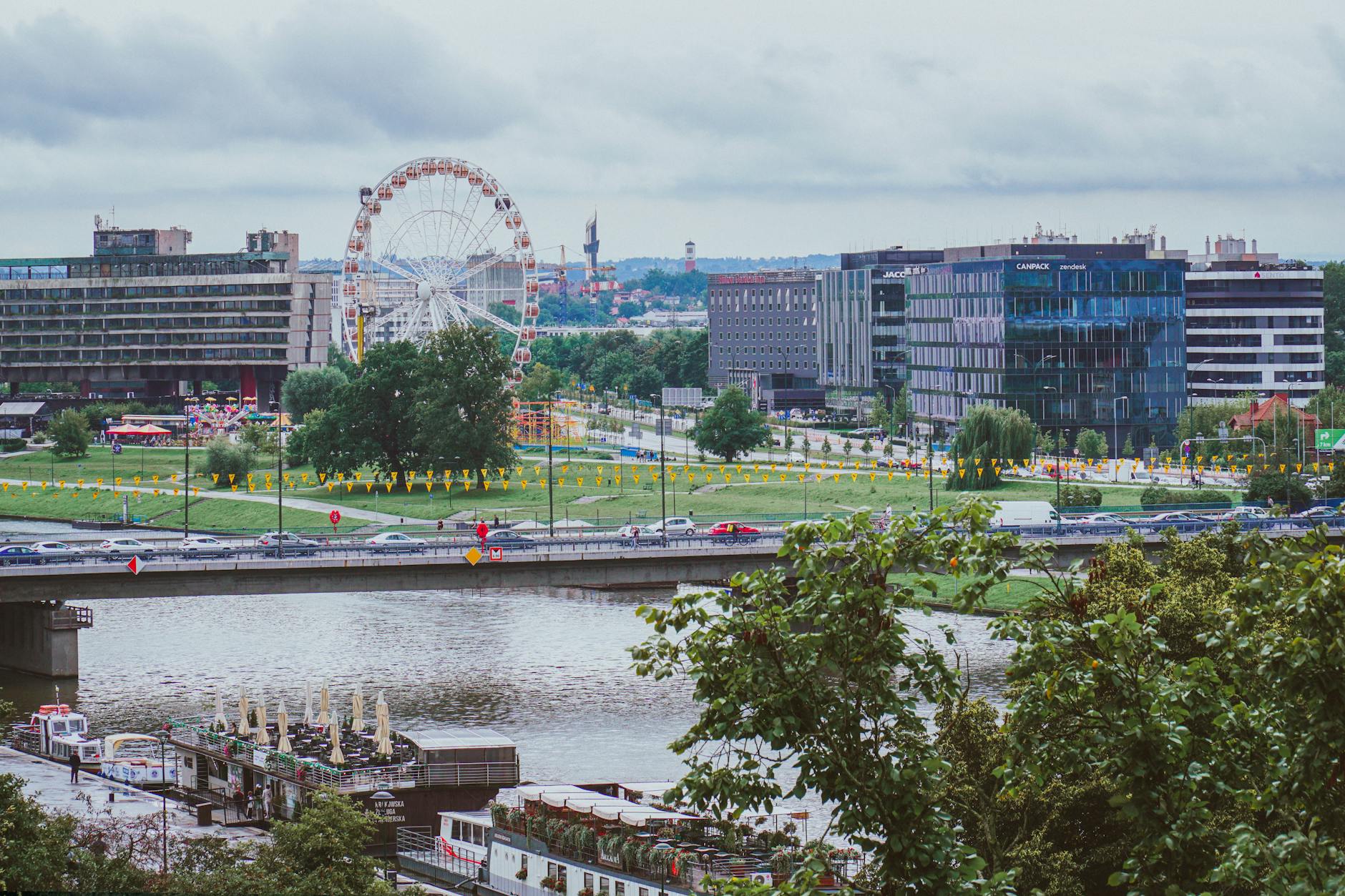
Poland remains one of the most underrated summer destinations in Europe, offering a mix of vibrant history and affordable prices. Cities like Krakow and Wroclaw provide grand architecture, expansive public parks, and fascinating museums for a fraction of the cost of Western cities. You can easily find a private room in a central location for $50 per night.
Public transportation in Polish cities is excellent, with tram and bus passes costing less than $5 per day. You can spend your time exploring sprawling city gardens or visiting fascinating historical sites that charge minimal entry fees. The overall cost of living for travelers here allows for a comfortable experience without constant penny-pinching.
Budget-friendly cities for your summer itinerary
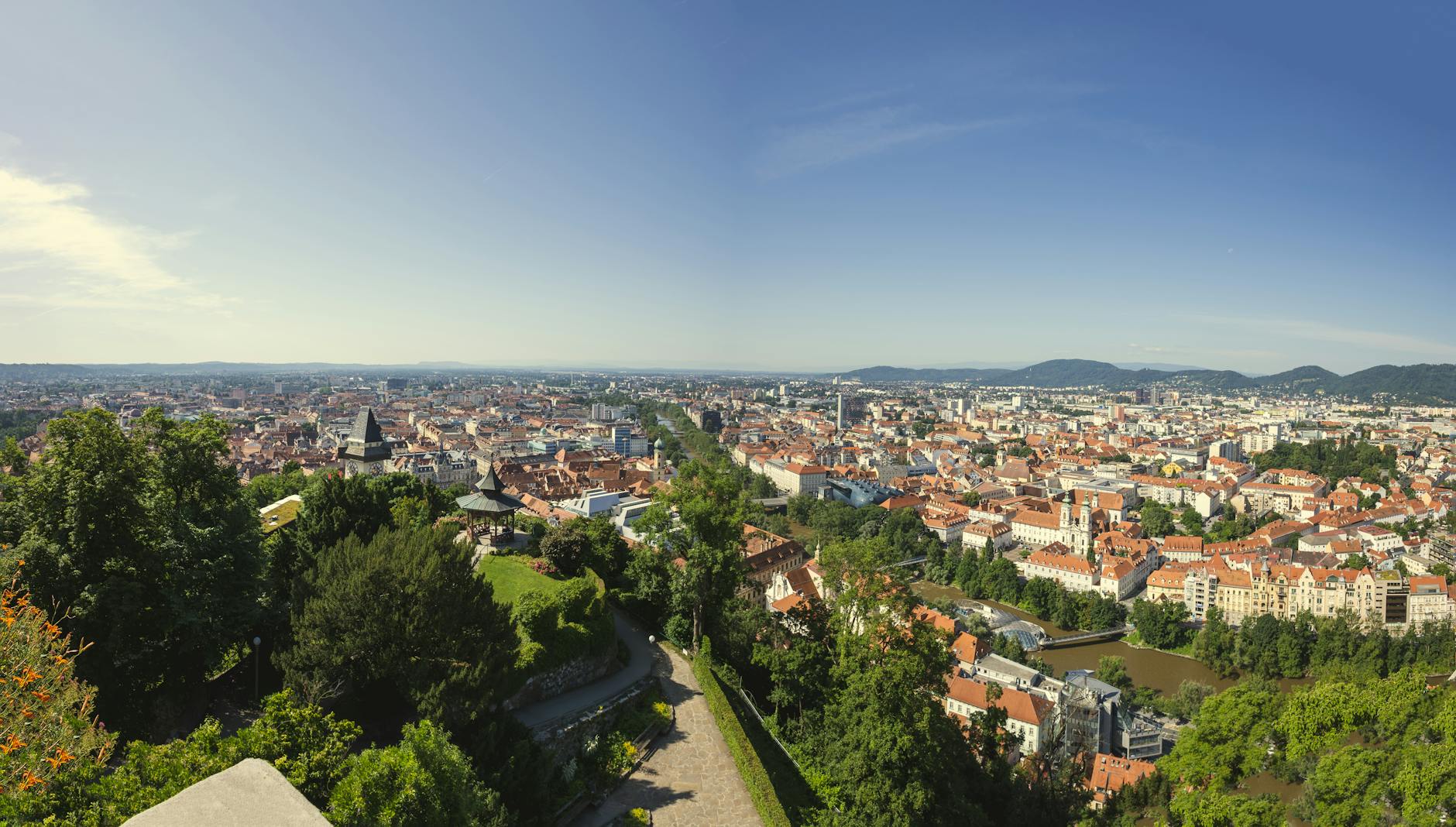
Sofia, Bulgaria, is a fantastic choice for those looking for a mix of urban exploration and nearby mountain hiking. The city is incredibly walkable and features a massive park system perfect for afternoon strolls. You can find high-quality meals for $10 and accommodation for under $40 per night.
Riga, Latvia, offers a different experience with its coastal location and distinct architectural style. Summer days here are long, giving you plenty of time to explore the city’s many markets and riverfront areas. It is an affordable alternative to the more expensive Scandinavian cities located just across the sea.
Practical planning tips for cheap summer travels
To keep your trip truly affordable, avoid flying during the weekends when ticket prices spike. Use budget airlines like Wizz Air or Ryanair, but always pack light to avoid expensive baggage fees. Booking your flights at least six weeks in advance often secures the lowest possible rates.
Consider staying in guesthouses or family-run apartments rather than traditional hotels. These options often include kitchen access, allowing you to prepare breakfast or dinner yourself. Choosing the right neighborhood to stay in can also reduce your daily transport costs significantly.
Common Questions
Are these cheap summer destinations in Europe safe for solo travelers?
Yes, most of these countries are very safe for solo travelers and have well-established tourism infrastructures. Use standard travel precautions, such as keeping your belongings secure and staying aware of your surroundings in busy areas. Researching your specific destination’s local customs also helps you blend in and feel more comfortable.
How do I find the cheapest flights to Europe during the summer?
Use flight comparison tools like Google Flights or Skyscanner to track price trends for your specific dates. Set up price alerts early and remain flexible with your arrival and departure airports to find the best deals. Flying mid-week usually results in significant savings compared to weekend travel.
Do I need a car to visit these affordable locations?
You rarely need a car if you focus on cities and major towns connected by national bus or train networks. Public transit in countries like Poland, Bulgaria, and the Baltic states is highly efficient and very inexpensive. Renting a car is only necessary if you plan to visit remote nature spots that lack public transport access.
Is it possible to travel through Europe on a very tight budget?
It is entirely possible to travel for $50 per day if you prioritize hostels, eat local street food, and minimize paid activities. Focus on free walking tours, public parks, and exploring neighborhoods on foot to keep costs low. Planning your route to minimize long-distance travel also keeps your daily spending under control.
Exploring cheap summer destinations in Europe requires focus, but the reward is a memorable experience that respects your bank account. By choosing the right locations and utilizing local resources, you can see more of the world for less. Start planning your route today to secure the best rates for your upcoming European summer adventure.