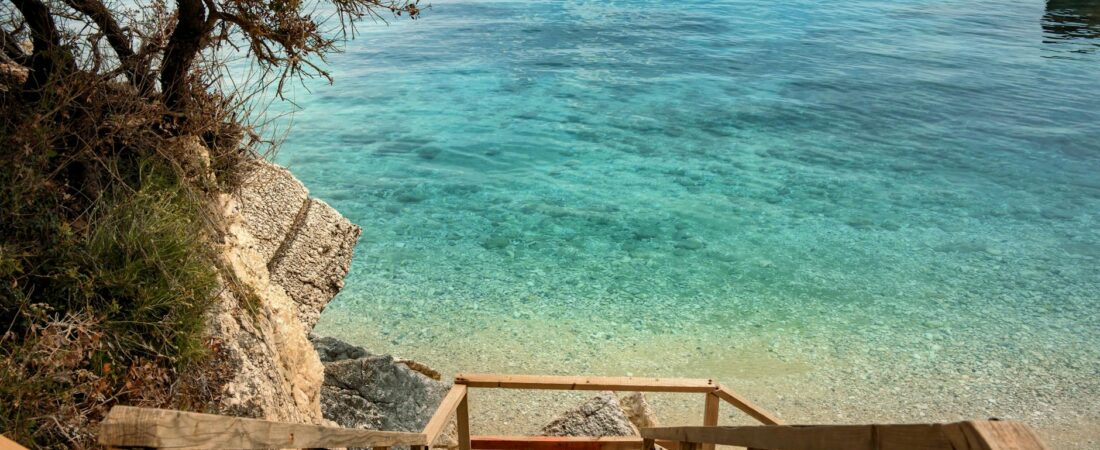
Greece offers far more than the crowded cruise ship ports that dominate every travel magazine cover. You’ll find authentic character, quiet coastlines, and traditional mountain villages when you step away from the major tourist paths. Quick version: This guide highlights the most rewarding, secular, and lesser-known spots in Greece where you can experience genuine local life without the massive crowds.
- Best months: May, June, September, and October.
- Daily budget: 80–130 EUR per person (prices may vary – check before you go).
- Ideal trip length: 10–14 days to explore multiple regions.
- Language: Greek (English is widely spoken in tourist areas).
- Tactical tip: Use local ferry apps to track boat schedules in real-time.
What are the best hidden gems in Greece for travelers seeking quiet?
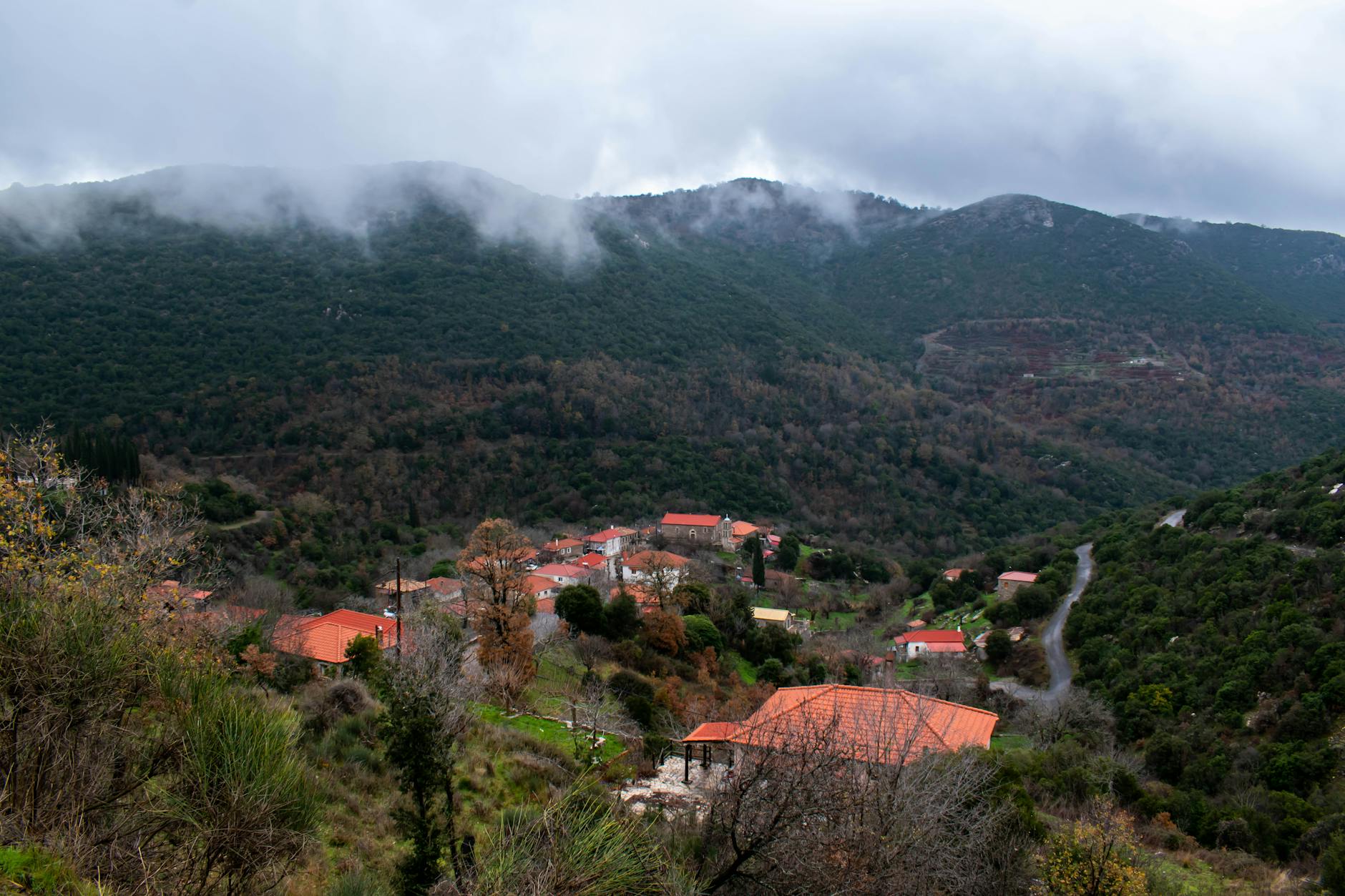
The best hidden gems in Greece are found in the Peloponnese region and the lesser-visited Ionian islands, where natural landscapes and local markets take center stage. These areas provide a slower pace of life, affordable accommodation options, and access to pristine, undeveloped coastlines that remain largely untouched by mass tourism. By focusing on these regions, you’ll discover the true essence of the country through its geography and culinary traditions.
The Dramatic Cliffs of Mani Peninsula
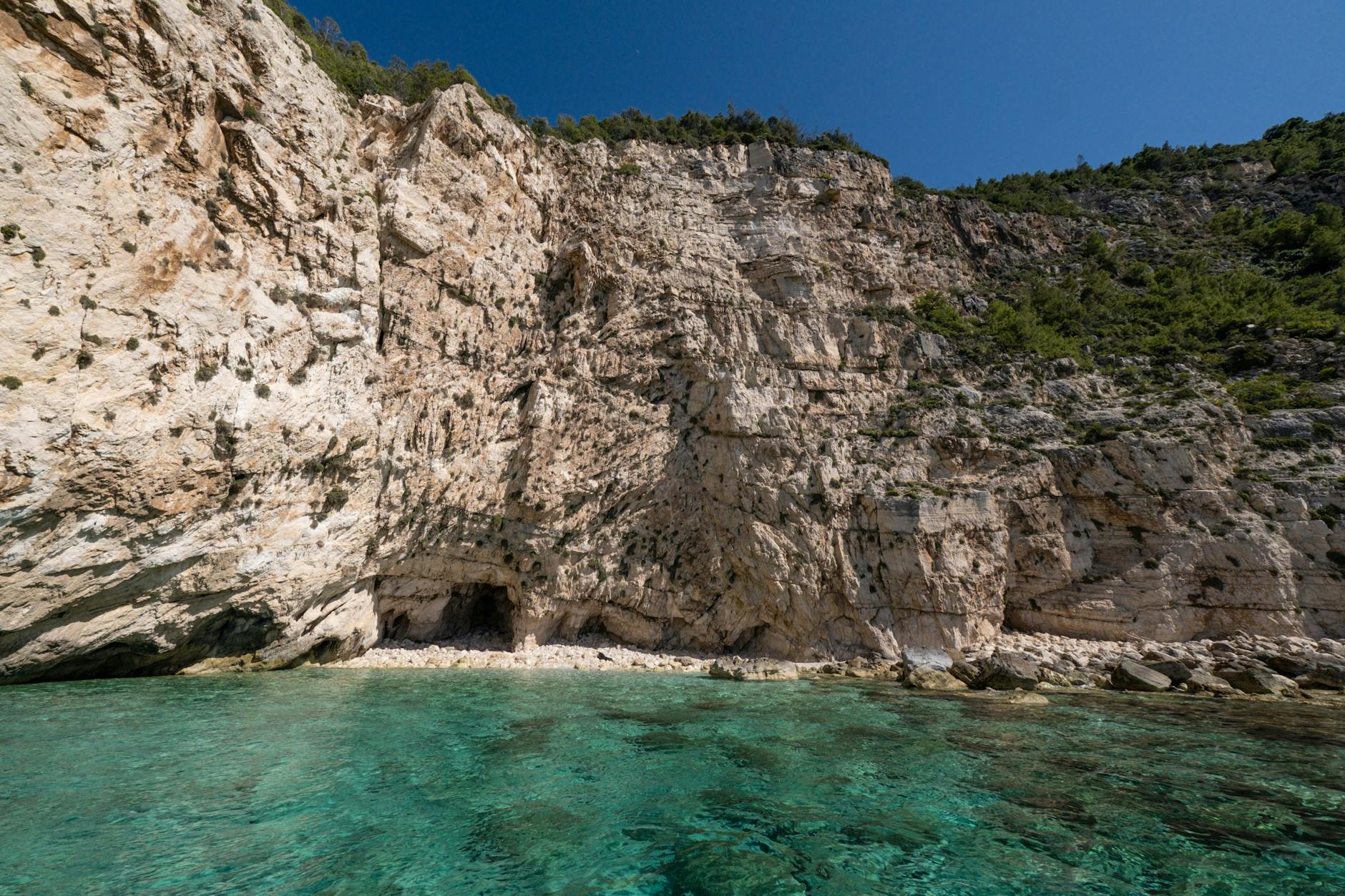
Located in the southern Peloponnese, the Mani Peninsula features a rugged landscape defined by stone towers and rocky terrain. You’ll find unique architecture here that exists nowhere else in the country. The area feels isolated, wild, and deeply connected to the sea.
Make sure to visit the Diros Caves, a massive underground river system that you explore by boat. The silence inside the caverns is profound, and the crystal-clear water reflects the stalactites above. It’s a natural wonder that dwarfs any man-made structure in the vicinity.
Spend your afternoons walking the coastal paths near Limeni. The water there glows a brilliant turquoise, and you can swim directly off the stone docks. It’s the perfect place to disconnect from digital noise and focus on the rhythmic sound of the waves.
The Lush Greenery of Lefkada
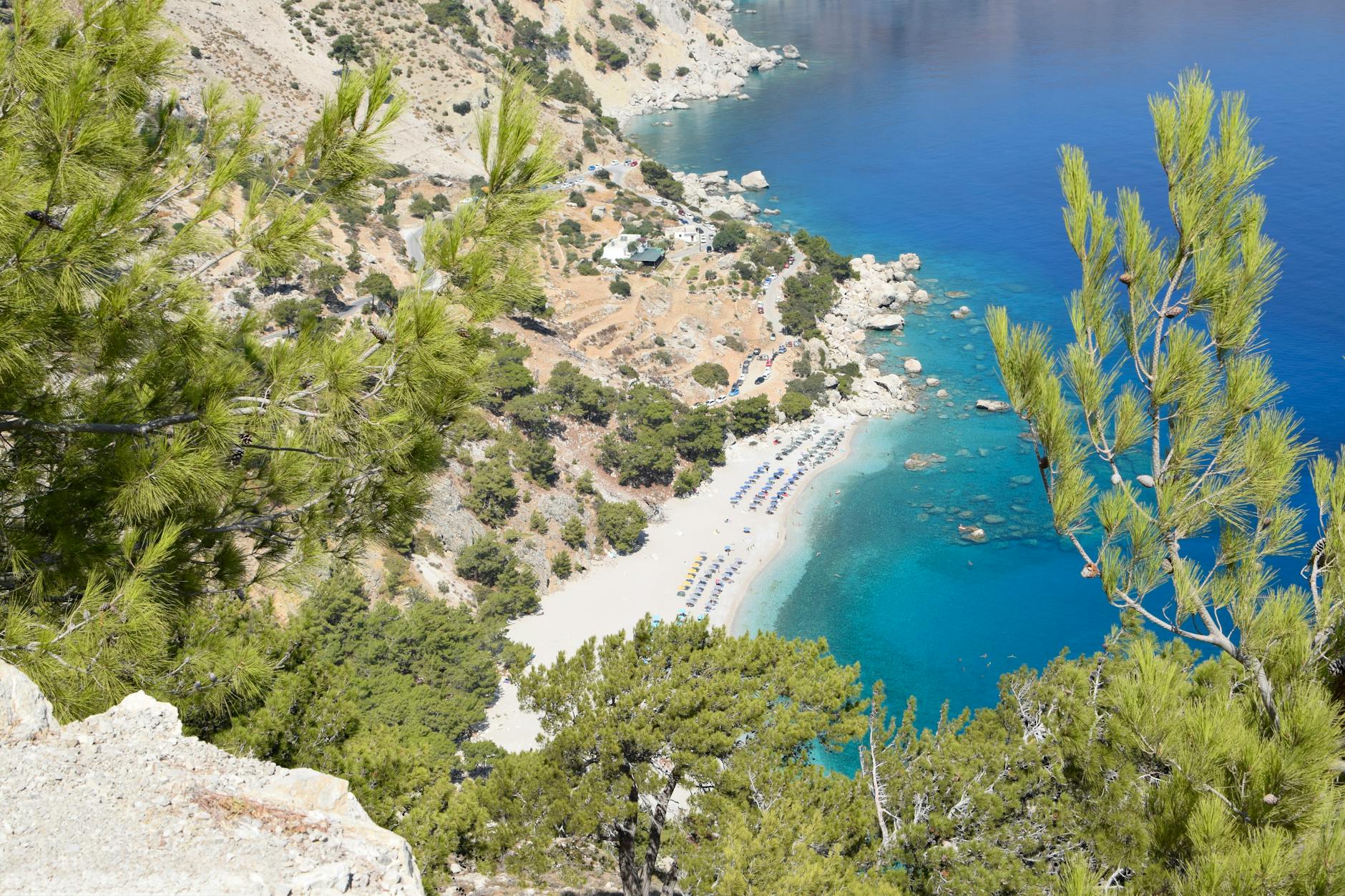
Lefkada stands out because it connects to the mainland via a causeway, making it reachable without a flight or ferry. While many visitors rush to the southern beaches, head toward the mountain villages like Eglouvi. This area is famous for its high-altitude lentil production and cool, crisp air.
The interior of the island offers hiking trails through dense forests and olive groves. You’ll encounter few other travelers here, allowing you to enjoy the panoramic views of the Ionian Sea in total peace. It’s a side of Greece that feels like a well-kept secret.
For a swim, aim for the western coast where the beaches are backed by towering limestone cliffs. The water is deep, cold, and incredibly clear. Remember to bring your own water and snacks, as these areas lack commercial development.
The Authentic Vibe of Kythira
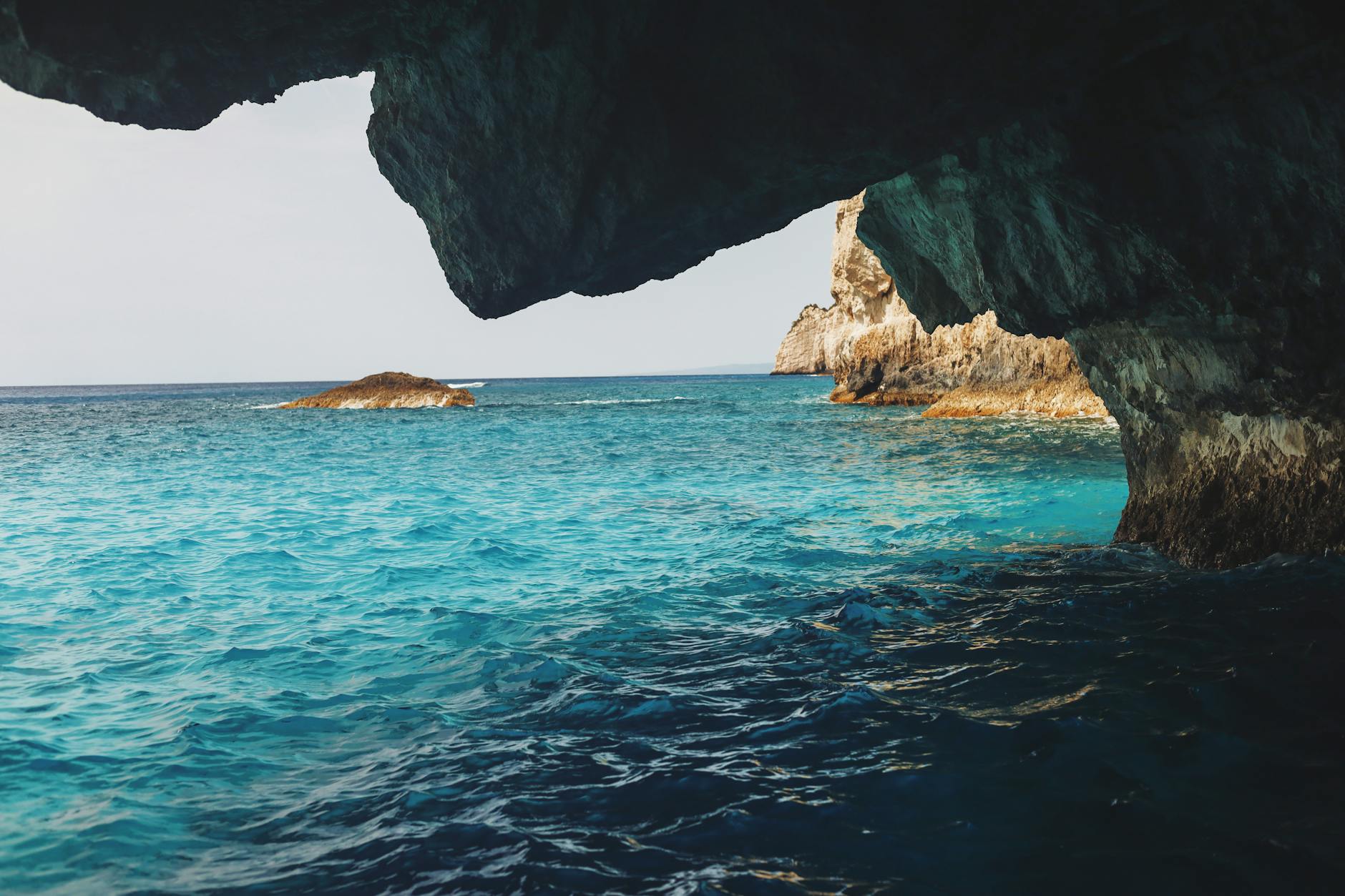
Kythira sits at the intersection of the Ionian and Aegean seas, creating a unique blend of cultures. It remains off the radar for most international visitors, which keeps prices low and the atmosphere relaxed. You’ll find waterfalls, old watermills, and expansive beaches here.
Explore the village of Mylopotamos, where a small stream runs through the center of the town, past abandoned stone mills. The walking path is shaded by massive plane trees and offers a cool retreat from the midday heat. It’s an ideal spot for a quiet afternoon picnic.
Plan your transport carefully when visiting this island, as it requires a bit more effort to reach than the popular hubs. The reward is a destination where you can actually hear yourself think. The local honey and olive oil are considered some of the best in the country.
The Underrated Coast of Epirus
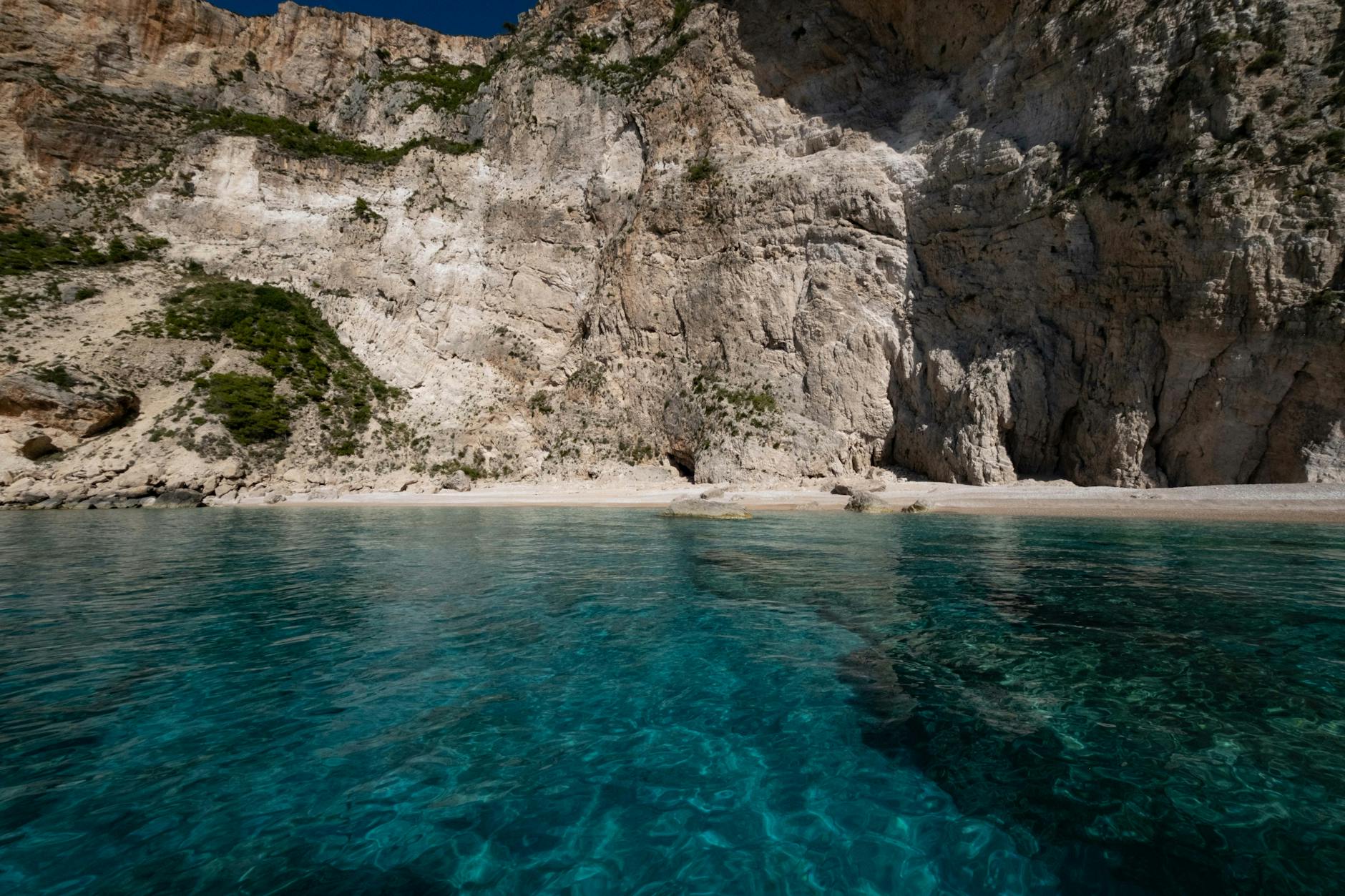
The Epirus region on the mainland offers a dramatic combination of high mountains and coastal access. Parga is a popular town here, but you should move further north to the smaller fishing villages. This area provides a rugged experience that feels authentic and raw.
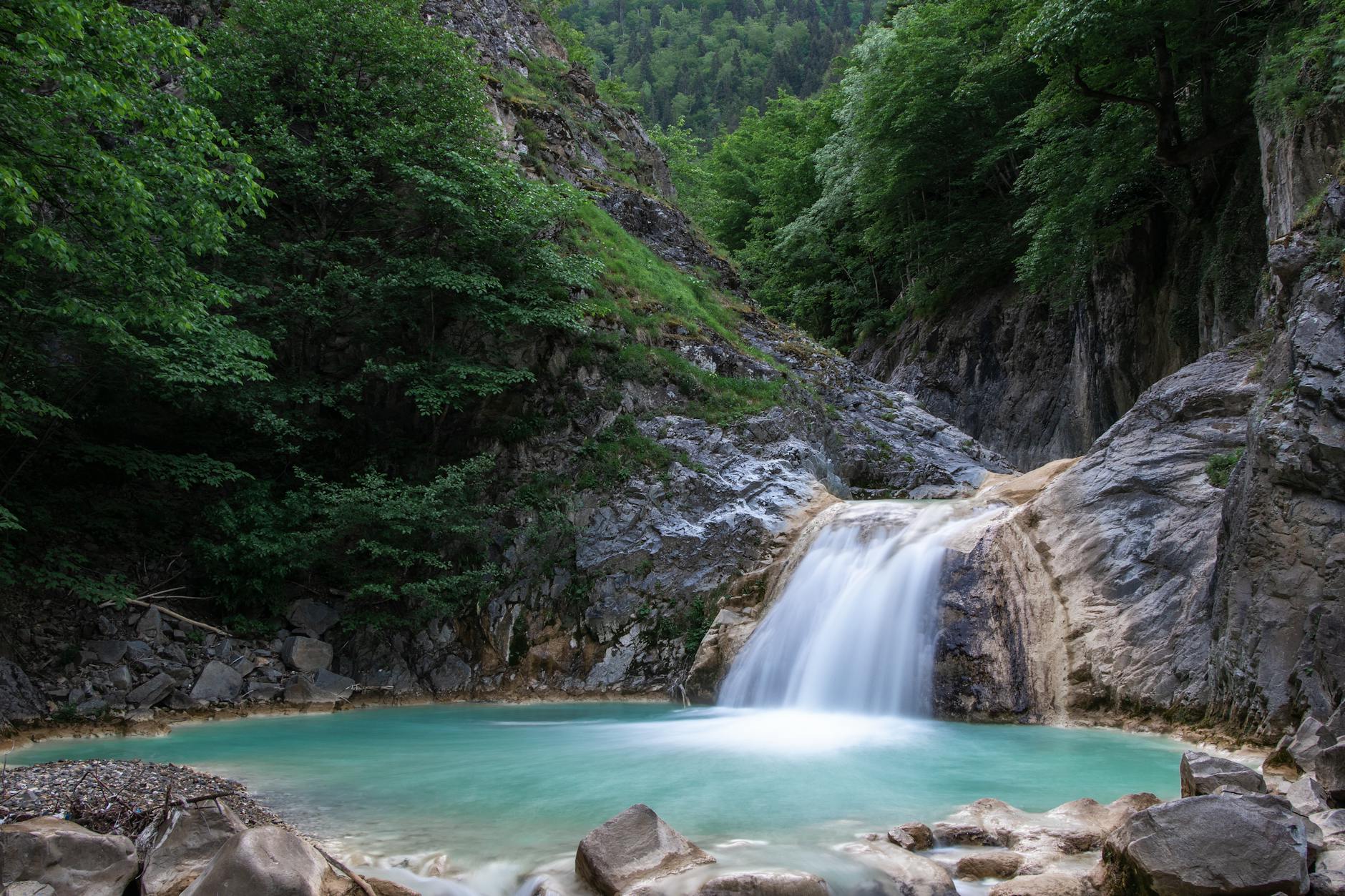
Visit the Acheron River, where the water is shallow enough to wade through for long stretches. The surrounding canyon walls reach high into the sky, creating a natural corridor of cool air. It’s a refreshing change from the typical beach day.
You’ll find that the food in this region focuses heavily on pies, wild greens, and fresh seafood from the Ionian Sea. Dining here is an unhurried, multi-hour affair. It’s the best way to integrate into the local rhythm of life.
Practical Planning for Your Trip
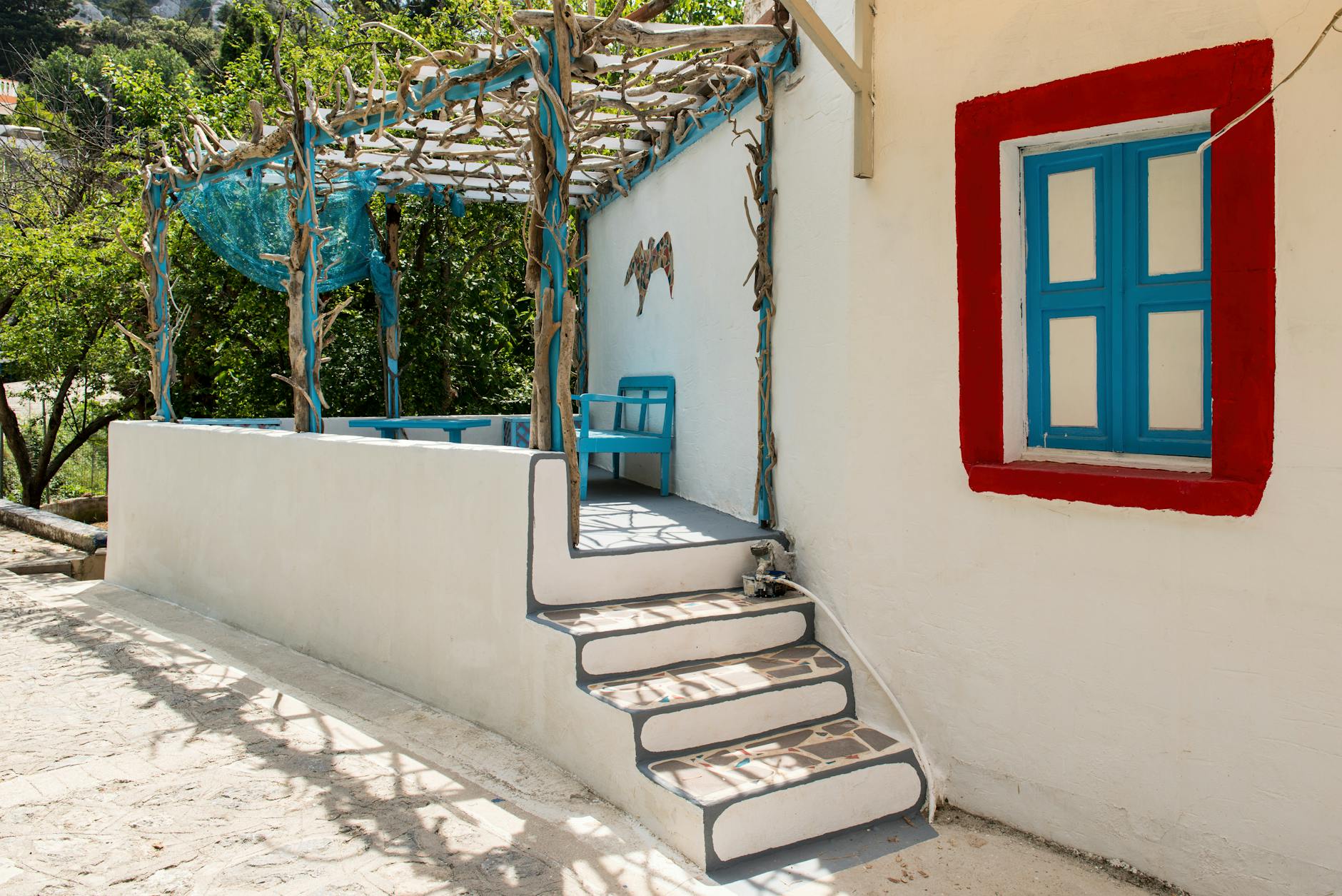
Choosing where to stay is the most important decision for your trip. Prioritize small, family-run guesthouses over large resorts to ensure your money stays in the local community. These hosts often provide the best advice on where to find the quietest coves and the best hiking trails.
Getting around requires patience. While buses exist, they don’t reach every hidden corner of these regions. Budget for a rental car if you want to see more than one village per day. Check your rental agreement carefully for mountain driving insurance coverage.
Avoid the peak month of August if you want to find solitude. The heat is intense, and the crowds are at their highest during this time. Aim for late May or late September for the best weather and the fewest tourists.
Common Questions
Is it expensive to visit hidden gems in Greece?
You can keep costs low by staying in local guesthouses and eating at small, family-owned tavernas. Expect to spend between 80 and 130 EUR per day, including a rental car and activities (prices may vary – check before you go).
Do I need to speak Greek to visit these areas?
You don’t need to be fluent, but learning basic phrases like “thank you” and “hello” goes a long way. Most locals in smaller villages appreciate the effort, even if they speak some English.
What should I pack for a trip to these destinations?
Pack sturdy walking shoes for uneven stone paths, a reusable water bottle, and a light jacket for the cooler mountain evenings. Don’t forget sunscreen and a hat, as the sun is strong even in the shoulder seasons.
Are these locations accessible by public transport?
Some are, but many of the best hidden gems in Greece require a rental car for full access. Public buses connect major towns, but they don’t always reach the remote beaches or mountain trails you’ll want to explore.
Read our guide on packing light to ensure you stay mobile on your adventure. You’ll find that traveling with less is the key to enjoying the rugged beauty of these hidden gems in Greece.