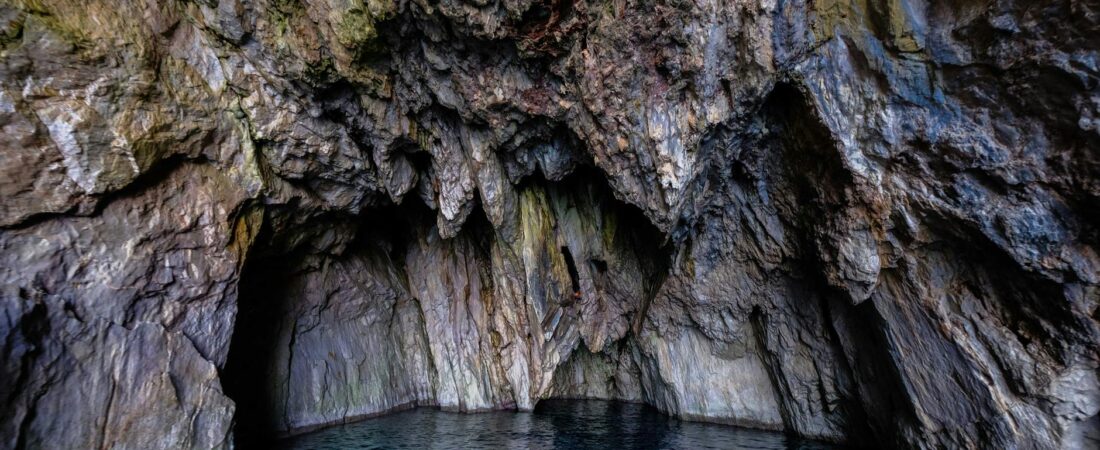
Italy feels like a well-worn map, yet you’ll find that most travelers never venture beyond the standard train line connecting the major hubs. You’re missing the quiet corners where time slows down and the local rhythm takes over. Quick version: This guide covers five incredible, secular Italian destinations that offer authentic food, natural beauty, and zero crowds.
- Best months to visit: May, June, September, and October.
- Daily budget: 120–180 EUR per person (prices may vary – check before you go).
- Ideal trip length: 7–10 days to see three of these regions.
- Language: Italian (learning basic phrases helps immensely).
- Tactical tip: Rent a car for rural areas; trains don’t reach the best spots.
What are the best hidden gems in Italy for travelers seeking peace?
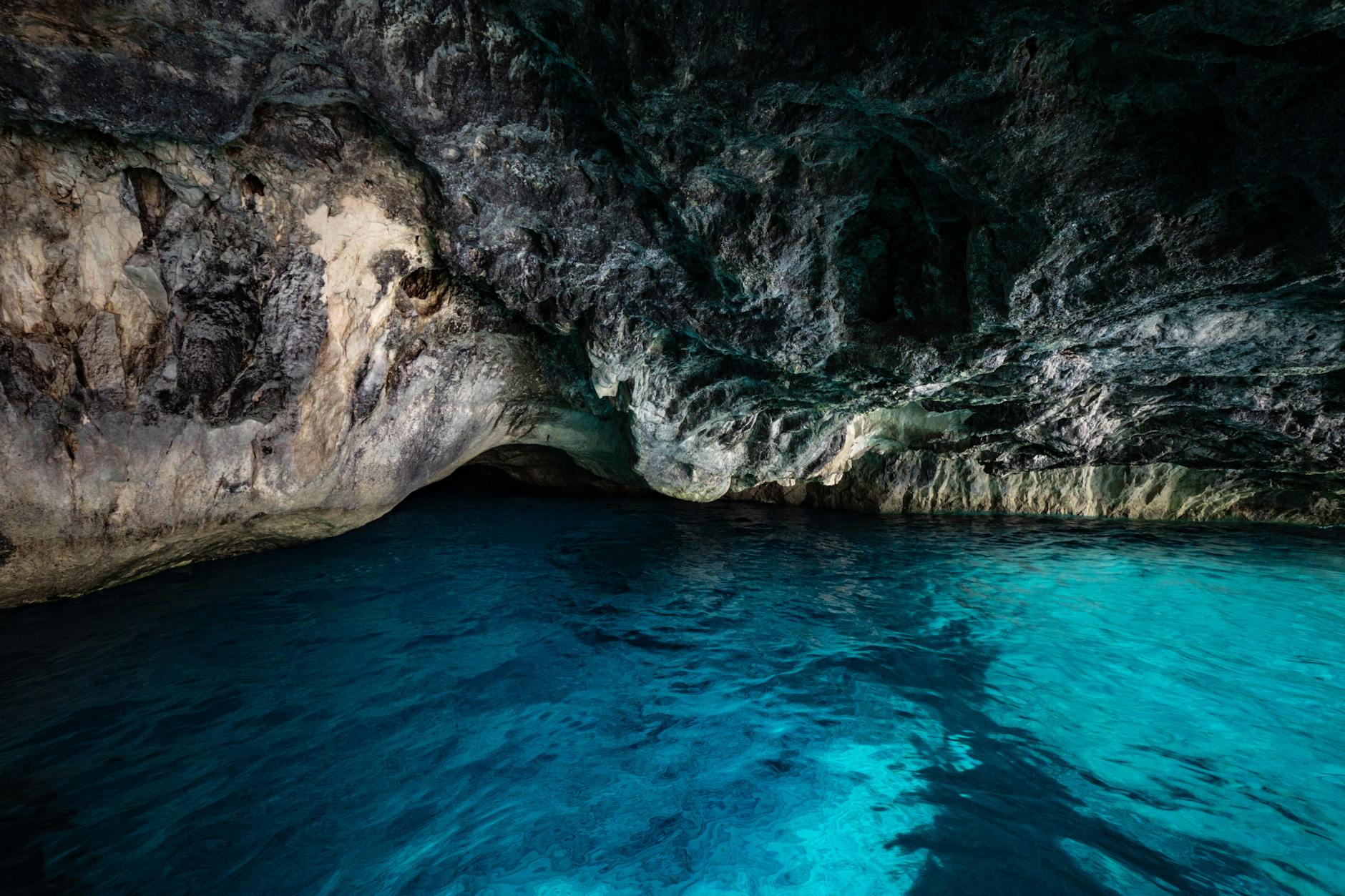
The best hidden gems in Italy are found in the rugged mountains of the north or the quiet hills of the central regions. You’ll find the most authentic experiences in areas like the Dolomites’ smaller valleys, the coastal cliffs of Puglia, or the ancient stone villages of Basilicata. These locations provide a genuine look at Italian life without the overwhelming tourist density found elsewhere.
The Dolomites: Val di Funes
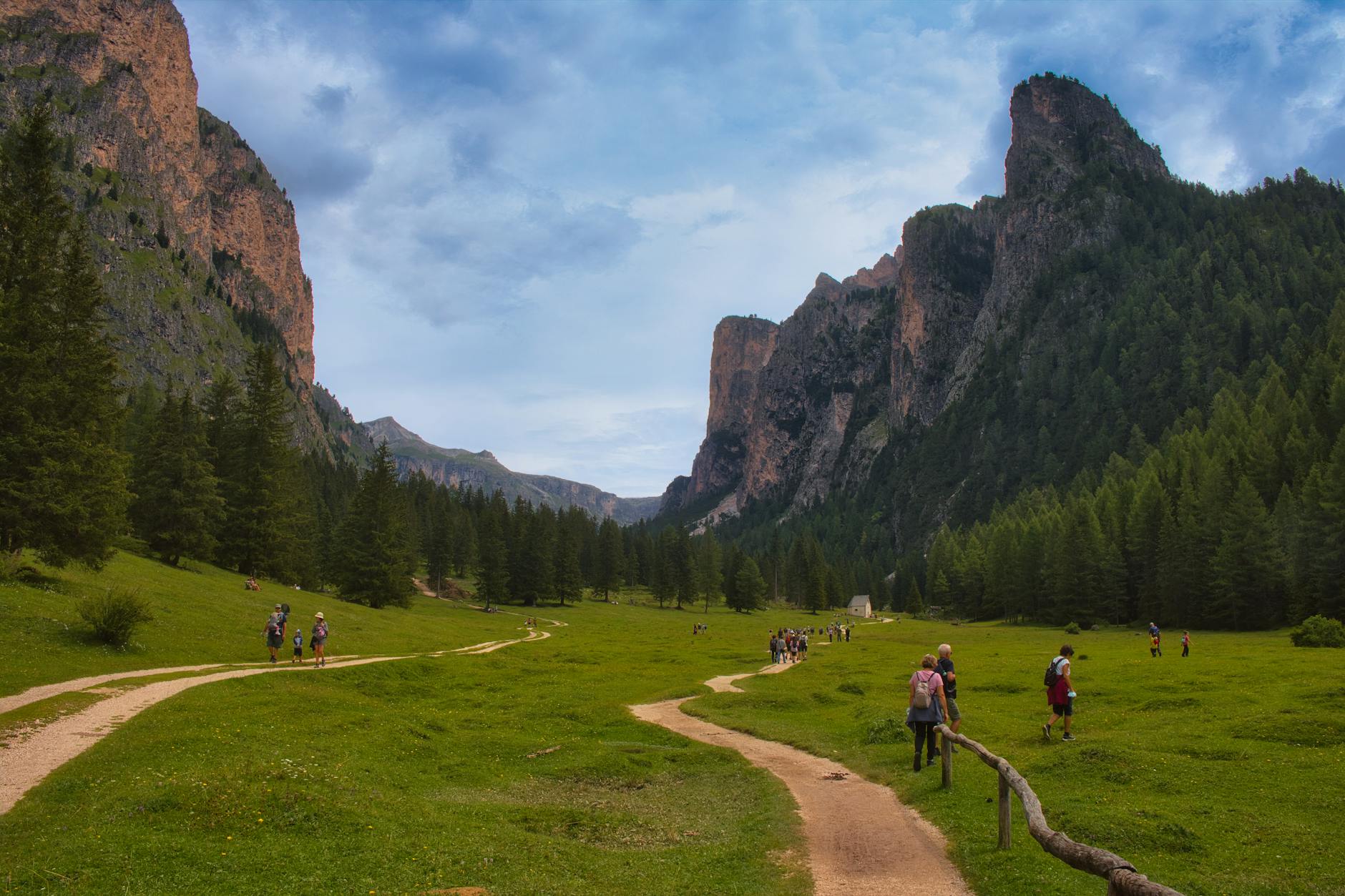
You’ve likely seen photos of the jagged peaks here, but the valley floor remains surprisingly quiet. The scenery is dominated by sharp limestone pinnacles and lush green meadows that look like they belong in a storybook. Spend your days here hiking the Adolf Munk Trail, which offers a moderate path through pine forests with constant mountain views.
Stay in a local guesthouse, known as a ‘gasthof,’ to experience the local hospitality. You’ll find that the food here is a fusion of Italian and Alpine traditions, featuring hearty dumplings and fresh mountain trout. It’s the perfect place to disconnect from your phone and reconnect with nature.
Puglia: The Gargano Peninsula
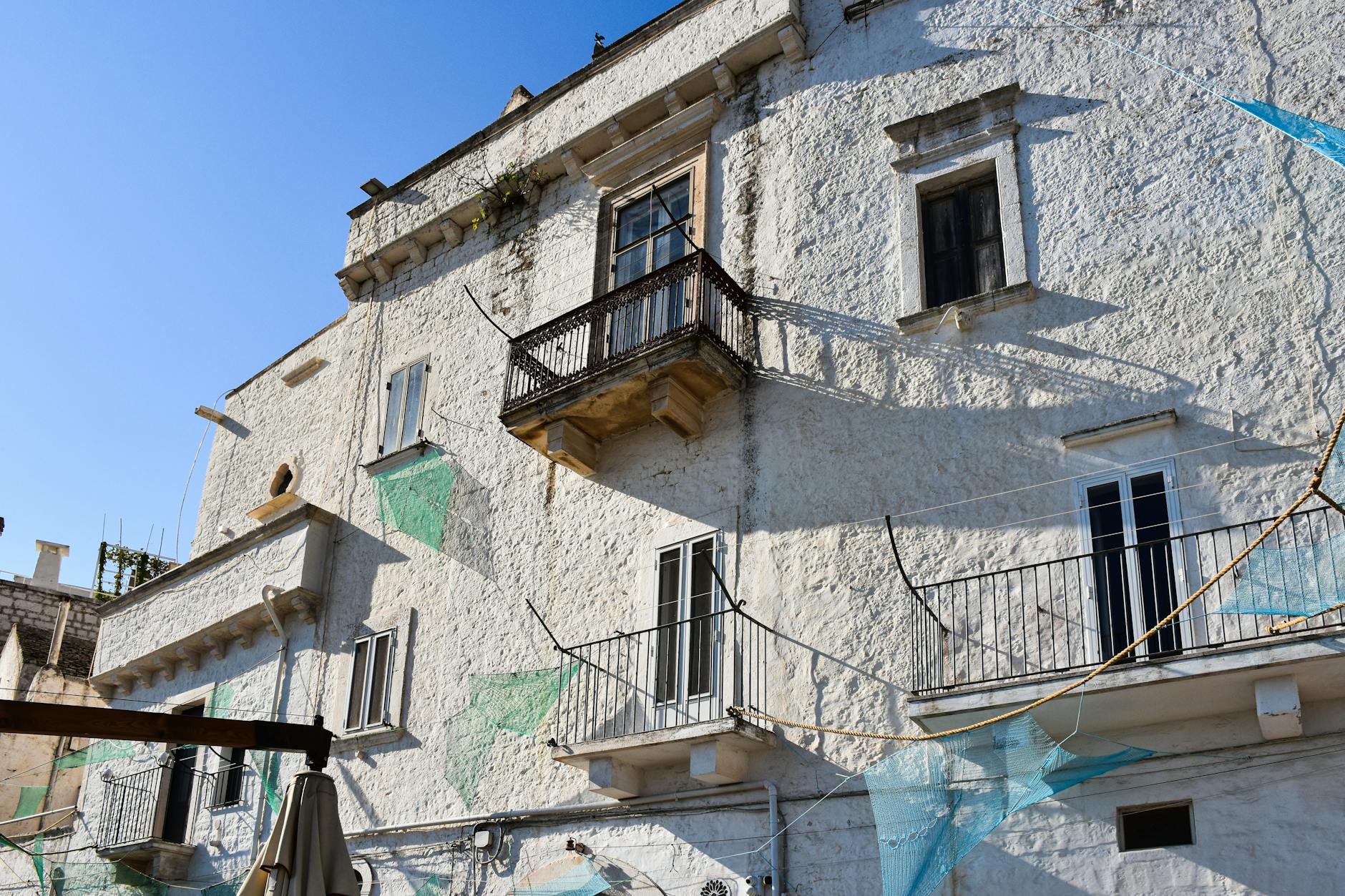
While many head to the southern tip of Puglia, the Gargano Peninsula remains a rugged, forested escape. This area features massive limestone cliffs that drop directly into the turquoise waters of the Adriatic Sea. You can spend your afternoons exploring the Umbra Forest, a UNESCO-listed ancient woodland with sprawling trails perfect for hiking or mountain biking.
The coastal town of Vieste sits on a rocky promontory and offers a labyrinth of narrow, white-painted streets. Spend your time here visiting the local olive oil mills to see how the region produces its world-renowned gold liquid. You can check out more coastal travel tips to help plan your seaside days.
Basilicata: The Murgia Plateau
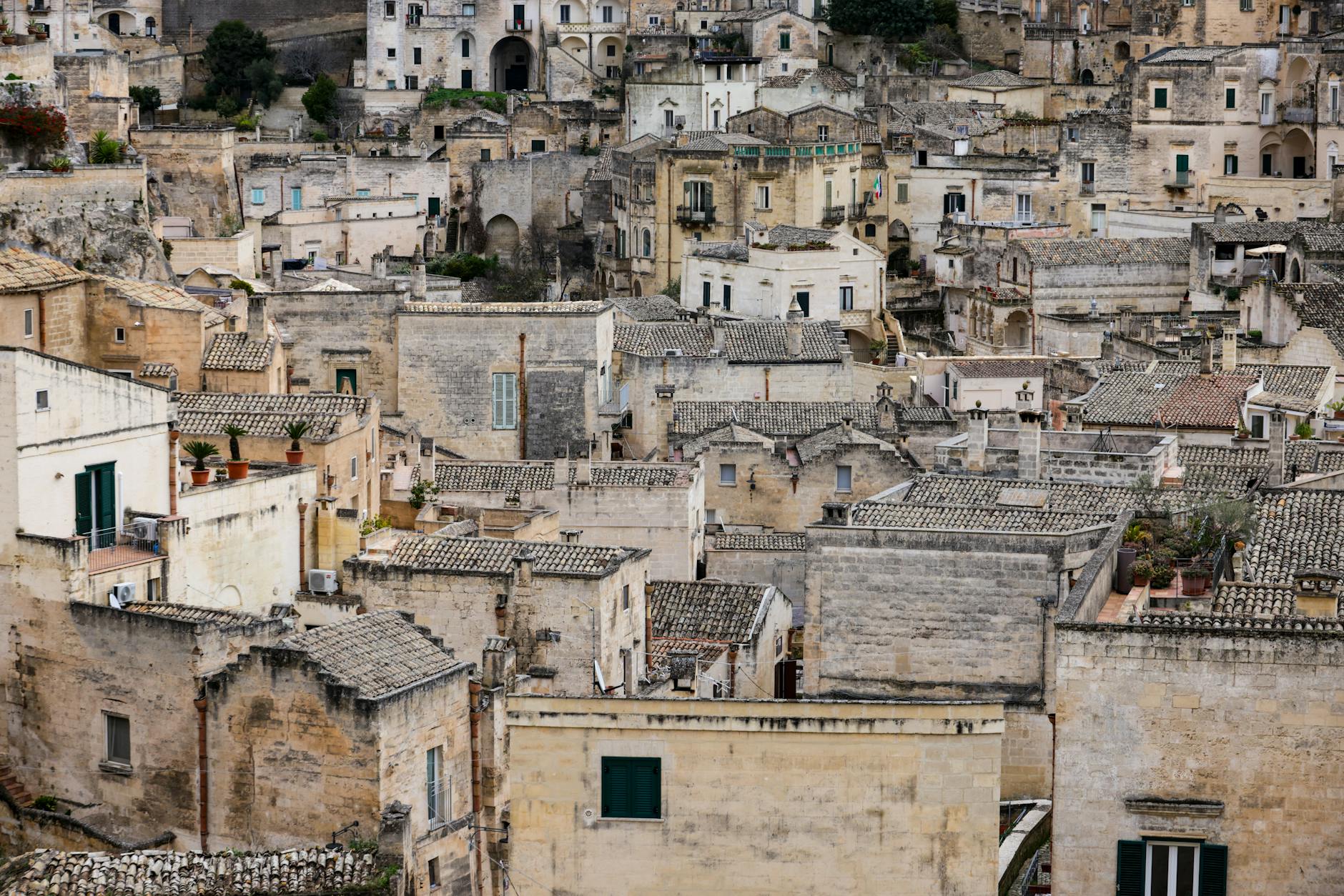
Basilicata is one of the least visited regions in the country, which keeps its ancient character intact. The highlight here is the Murgia plateau, an area defined by deep ravines and rocky landscapes that feel like you’ve traveled to a different planet. You’ll find incredible hiking paths that lead to elevated viewpoints overlooking the canyon floors.
The local cuisine here relies on simple, high-quality ingredients like crusty bread, sun-dried peppers, and local legumes. It’s a fantastic region to explore if you value slow travel and want to see how people have lived in these stone environments for centuries. If you need help with logistics, our comprehensive packing guide will ensure you have the right gear.
Umbria: The Valnerina Valley
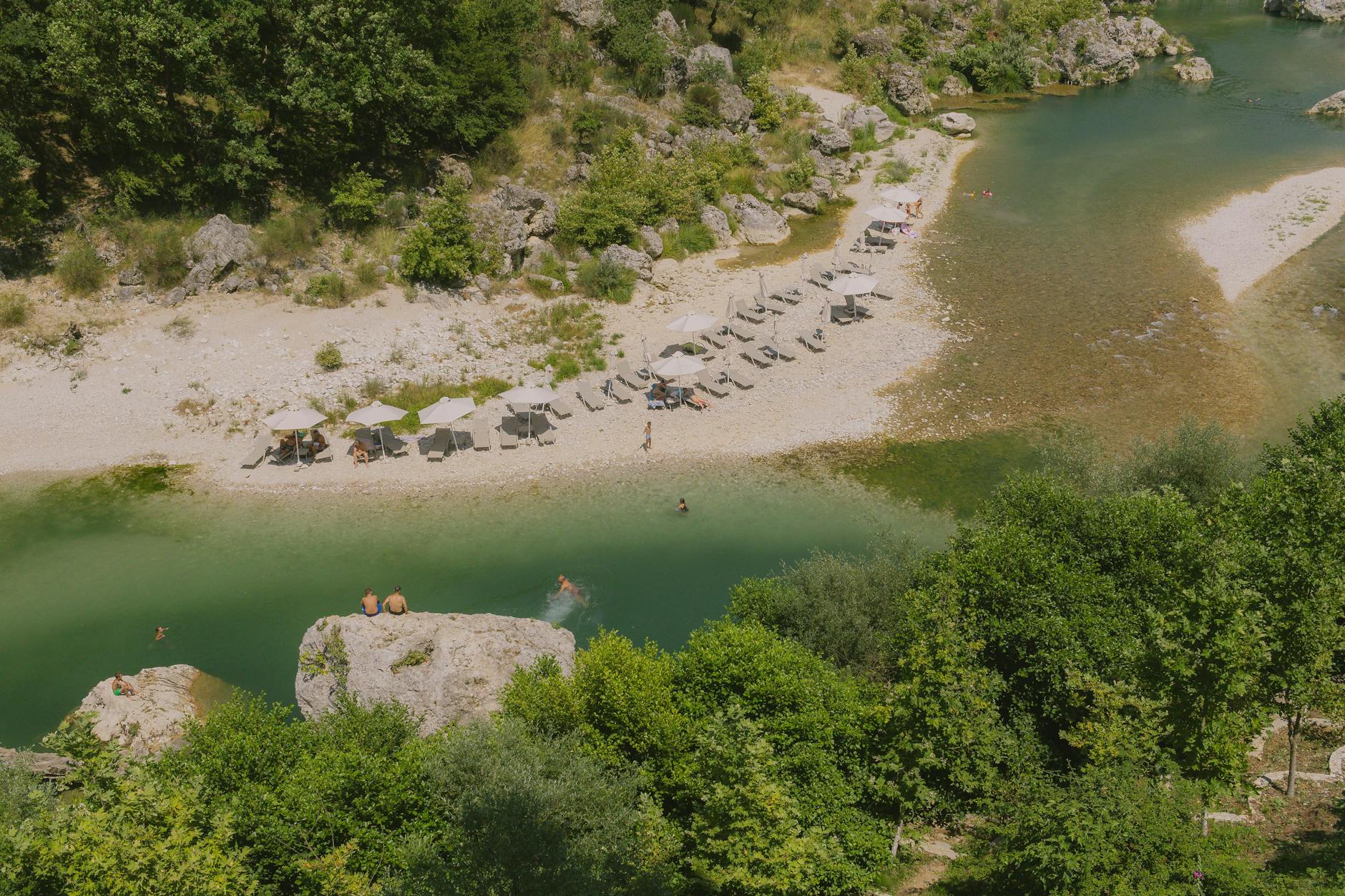
Often overshadowed by its neighbor to the west, Umbria offers a greener, more mountainous landscape that feels deeply traditional. The Valnerina Valley is a haven for outdoor enthusiasts who enjoy river rafting or gentle cycling along the Nera River. The water is crisp, clean, and provides a refreshing break during the hot summer afternoons.
Plan a visit to the Marmore Falls, one of the tallest man-made water features in the world. The engineering is impressive, and the surrounding park offers several miles of well-maintained walking paths. You’ll find the nearby town of Arrone is an ideal base for exploring the valley’s hidden corners.
Le Marche: The Sibillini Mountains
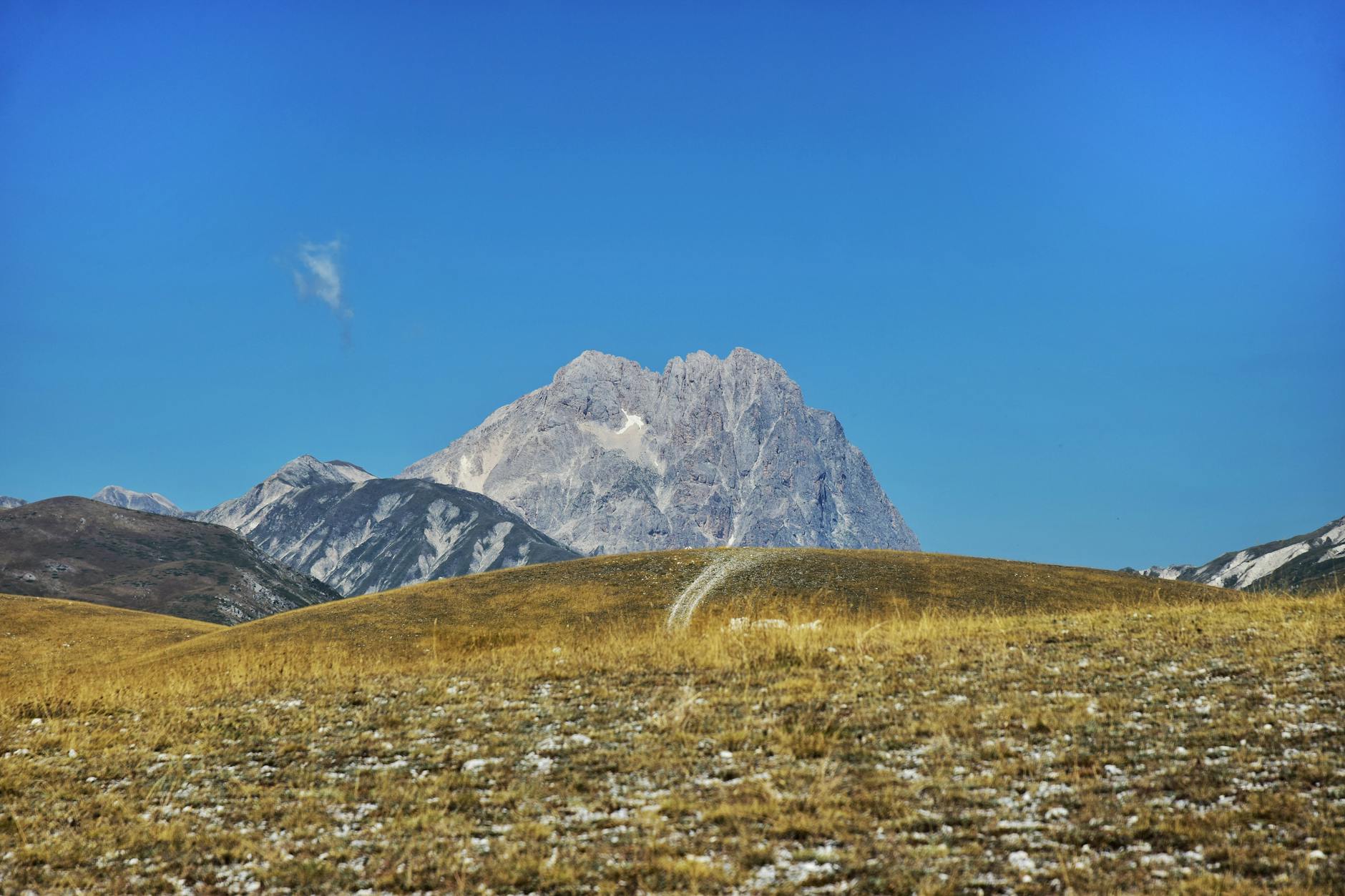
Le Marche sits between the mountains and the sea, providing a mix of adventure that is hard to beat. The Sibillini Mountains offer high-altitude plateaus that bloom with wildflowers in late June. You can spend your time hiking to the Lake of Pilato, a high-altitude glacial lake that changes color throughout the season.
The town of Ascoli Piceno is built almost entirely from travertine marble, which glows a warm honey color at sunset. Spend your evening in the main square, which functions as the town’s living room, watching the locals walk through the historic center. It’s a great example of a place where you can find authentic Italian food experiences without the typical tourist markup.
Practical Planning for Your Italian Trip
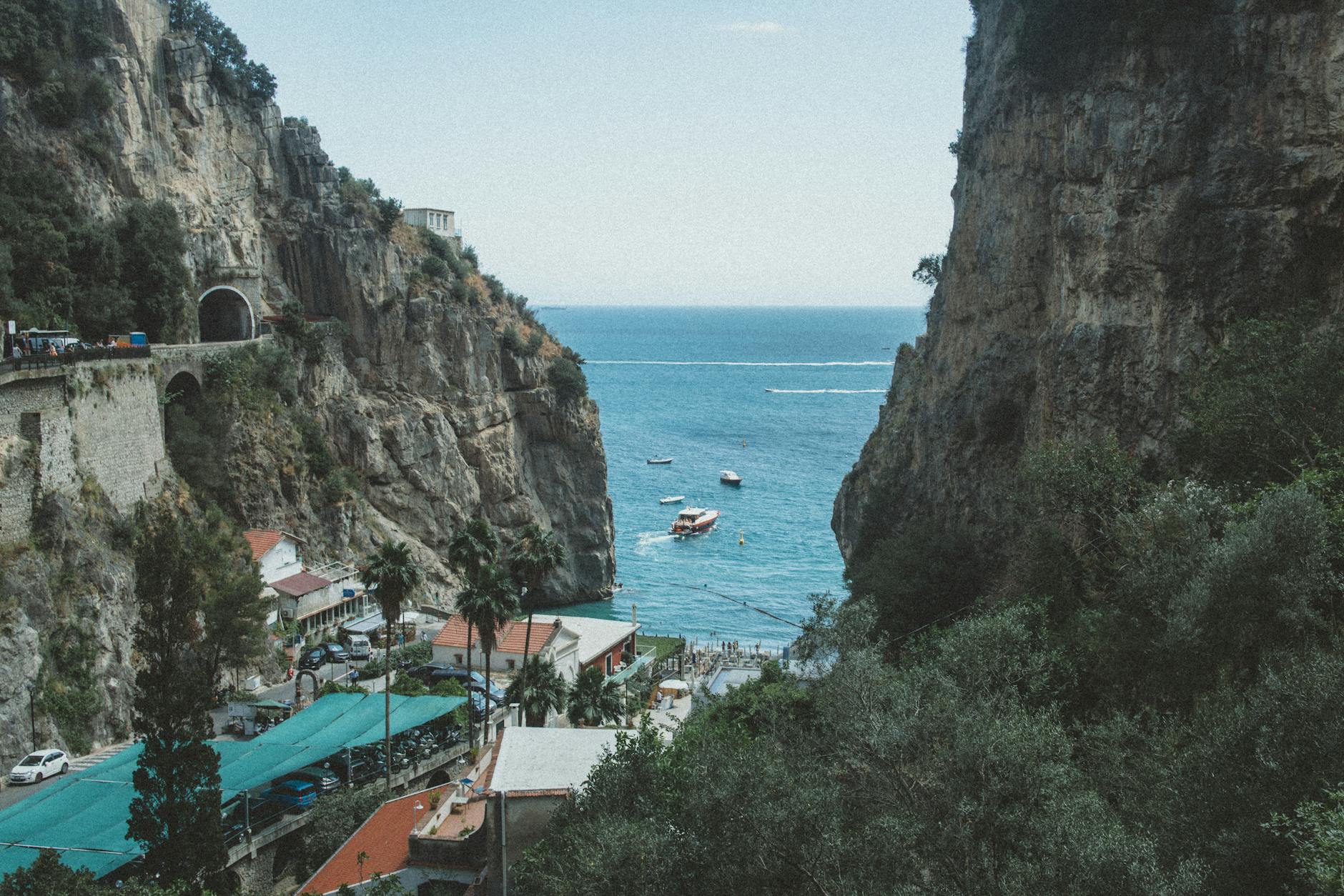
To truly enjoy these hidden gems in Italy, you must prioritize your transportation strategy. Renting a car is essential, as public transport in these mountainous or rural zones is infrequent at best. Always download an offline map application to navigate the winding roads where cellular service often drops.
Budgeting for these areas is generally easier than in the major cities, but you should still account for fuel costs and parking fees. You can expect to spend about 30-40 EUR per day on a rental and fuel. Avoid the mistake of trying to see too many regions; pick two and explore them thoroughly to save time and energy.
Common Questions
Are these hidden gems in Italy expensive to visit?
Generally, these areas are more affordable than major hubs like Rome or Florence. You’ll pay significantly less for food and accommodation while getting a more authentic experience.
Do I need to speak Italian to travel in rural Italy?
You don’t need to be fluent, but learning basic phrases is polite and helpful. Most locals in rural areas appreciate the effort, especially in smaller towns where English is less common.
Is it safe to drive in rural Italian regions?
Driving is safe, but the roads can be narrow, winding, and steep. If you aren’t comfortable with manual transmissions, ensure you specifically book an automatic vehicle in advance.
What is the best way to find local food in these areas?
Look for restaurants that offer a ‘menu del giorno’ and prioritize seasonal, local ingredients. If a place is crowded with local families on a Sunday afternoon, it’s a reliable sign of quality.
Exploring the lesser-known paths of Italy will change how you view travel. You’ll find that the most rewarding moments occur when you stop rushing and start observing the details of daily life in these quiet landscapes.