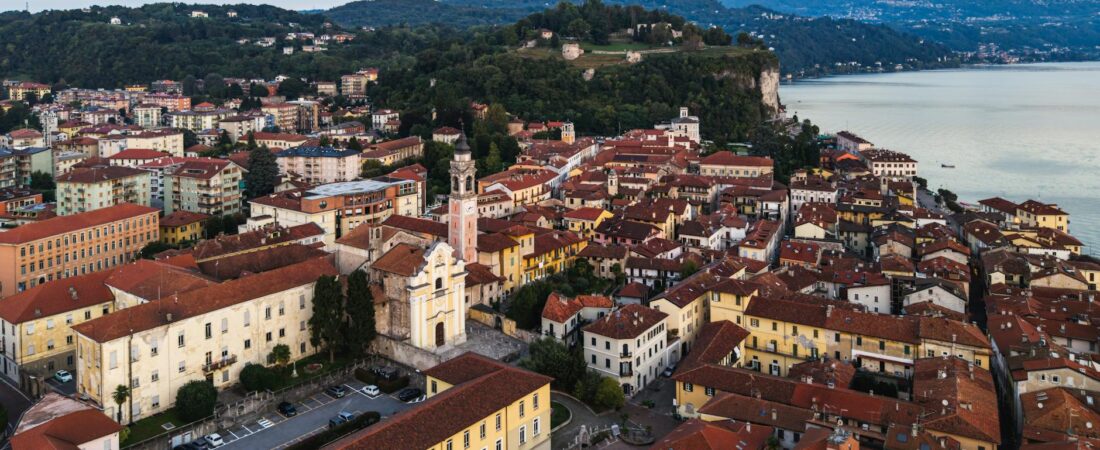
Italy holds more than just major cities; it contains hundreds of small, stone-walled villages that look like they were plucked from a storybook. Finding the prettiest towns in Italy involves looking past the typical guidebooks and focusing on places where the architecture, landscape, and pace of life create a perfect afternoon. Quick version: For the most charming atmosphere, prioritize towns like Pitigliano, Varenna, and Civita di Bagnoregio, which prioritize natural beauty and historic masonry over modern city chaos.
- Best months to visit: May, June, and September for moderate temperatures.
- Daily budget range: 120 to 200 Euro (prices may vary – check before you go).
- Ideal trip length: 2 to 3 days per region.
- Language: Italian (English is common in tourist areas).
- Tactical pro tip: Rent a small car to navigate narrow village roads easily.
What are the prettiest towns in Italy to visit for a day trip?
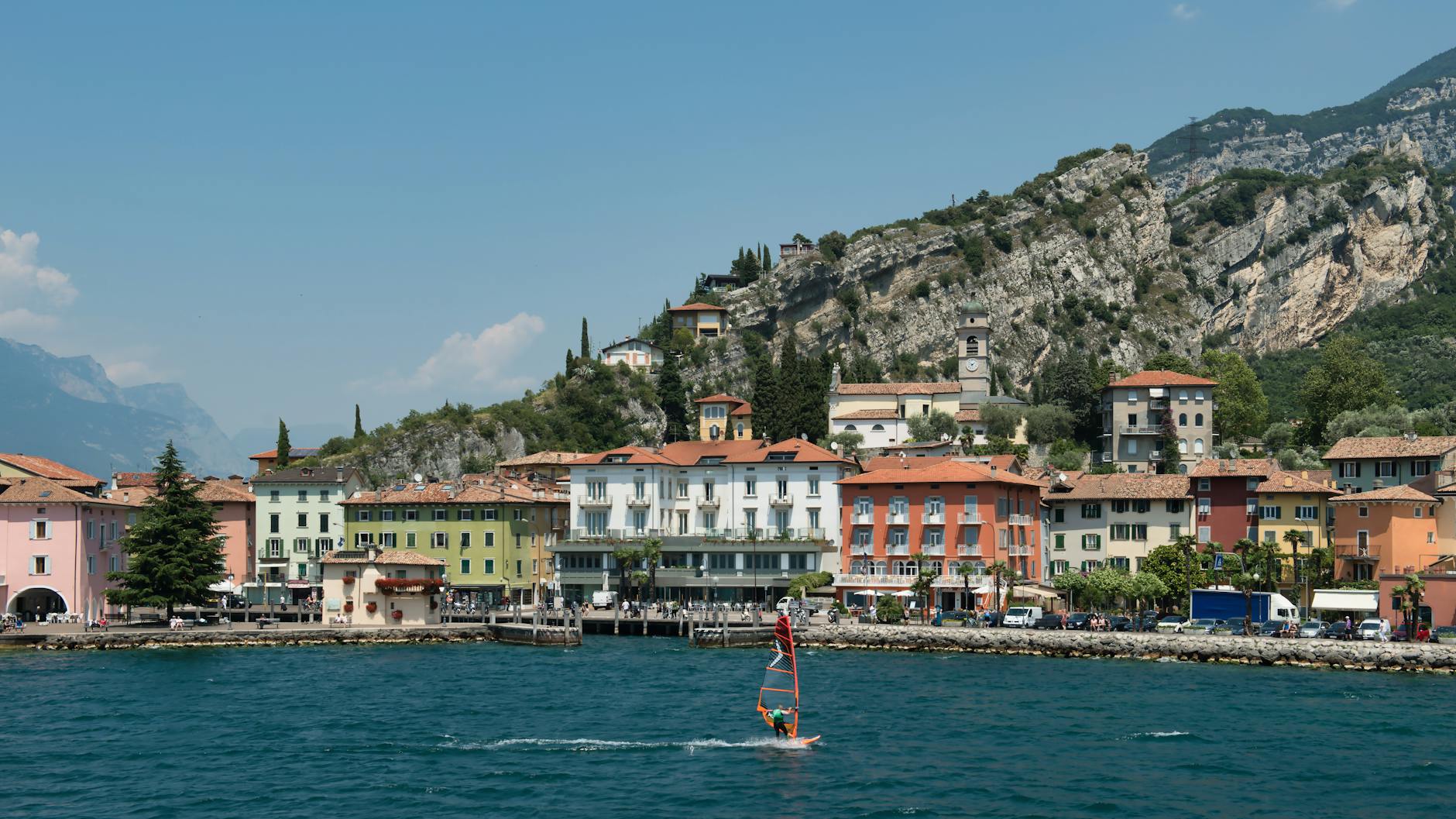
The prettiest towns in Italy for a day trip offer a blend of intact medieval layouts, dramatic cliffside positioning, and vibrant local markets. Choosing these locations provides a sensory experience defined by cobblestone paths, hanging flower boxes, and expansive views of the surrounding countryside or coastlines, all without the overwhelming crowds found in massive metropolitan centers.
Varenna
Located on the eastern shore of Lake Como, Varenna feels like a private escape from the busier ferry hubs. You will find steep, narrow walkways that lead directly down to the water, where small wooden boats bob against the docks. The main draw here is the botanical garden path that stretches along the lakefront, offering clear views of the mountains across the water.
Spend your time walking the Passeggiata degli Innamorati, a covered walkway that hugs the cliff. It is quiet, shaded, and provides the best vantage point for photography. If you want to see more of the region, check out our guide to Northern Italy travel logistics to plan your route.
Pitigliano
Known as the “Little Jerusalem” due to its historical demographic, this town is carved directly out of a massive volcanic tufa rock cliff. The buildings blend into the cliffside so seamlessly that the town looks like a natural extension of the landscape. Walking through the narrow alleys, you will notice how the stone walls keep the town cool even during the peak of summer.
You can spend hours exploring the ancient tunnels carved beneath the town. The views from the perimeter roads offer a look at the deep ravines that surround the settlement on three sides. It is a photographer’s dream, especially during the golden hour when the sun hits the tufa stone.
Civita di Bagnoregio
Often called “the dying town” because of the erosion of its cliff base, this place is accessible only by a long pedestrian bridge. Once you cross the bridge, you enter a quiet, traffic-free zone where time seems to stand still. The town is small enough to walk in twenty minutes, but you will want to linger in the small garden courtyards.
The lack of cars makes the atmosphere incredibly peaceful. You will find small craft workshops selling handmade pottery and local olive oil. It is a unique example of how a village can maintain its original structural integrity despite being isolated from modern transit.
Castelmezzano
Tucked into the jagged Dolomiti Lucane mountains, this town is built into the rock face itself. The houses are tiered and seem to climb the mountain, creating a vertical landscape that is unlike any other in the country. It is a destination for those who want to combine village wandering with mountain hiking.
The town is famous for its steep staircases that connect different levels of the village. If you are adventurous, look for the local steel cable zip-line that connects this town to the neighboring village of Pietrapertosa. It is a high-speed way to see the mountain range from above.
Corricella
Located on the island of Procida, this fishing village is a maze of pastel-colored houses stacked against the harbor. Unlike the more commercialized islands, this area retains a working-class charm where fishermen still repair their nets on the docks every afternoon. It is the perfect place to sit by the water and watch the rhythm of local life.
The best way to experience Corricella is to find a seat on the harbor wall during the late afternoon. The light reflects off the colorful buildings, turning the entire waterfront into a vibrant palette of pink, yellow, and blue. You can read more about coastal travel tips in our comprehensive island guide to ensure you pack appropriately.
Practical Planning for Your Village Tour
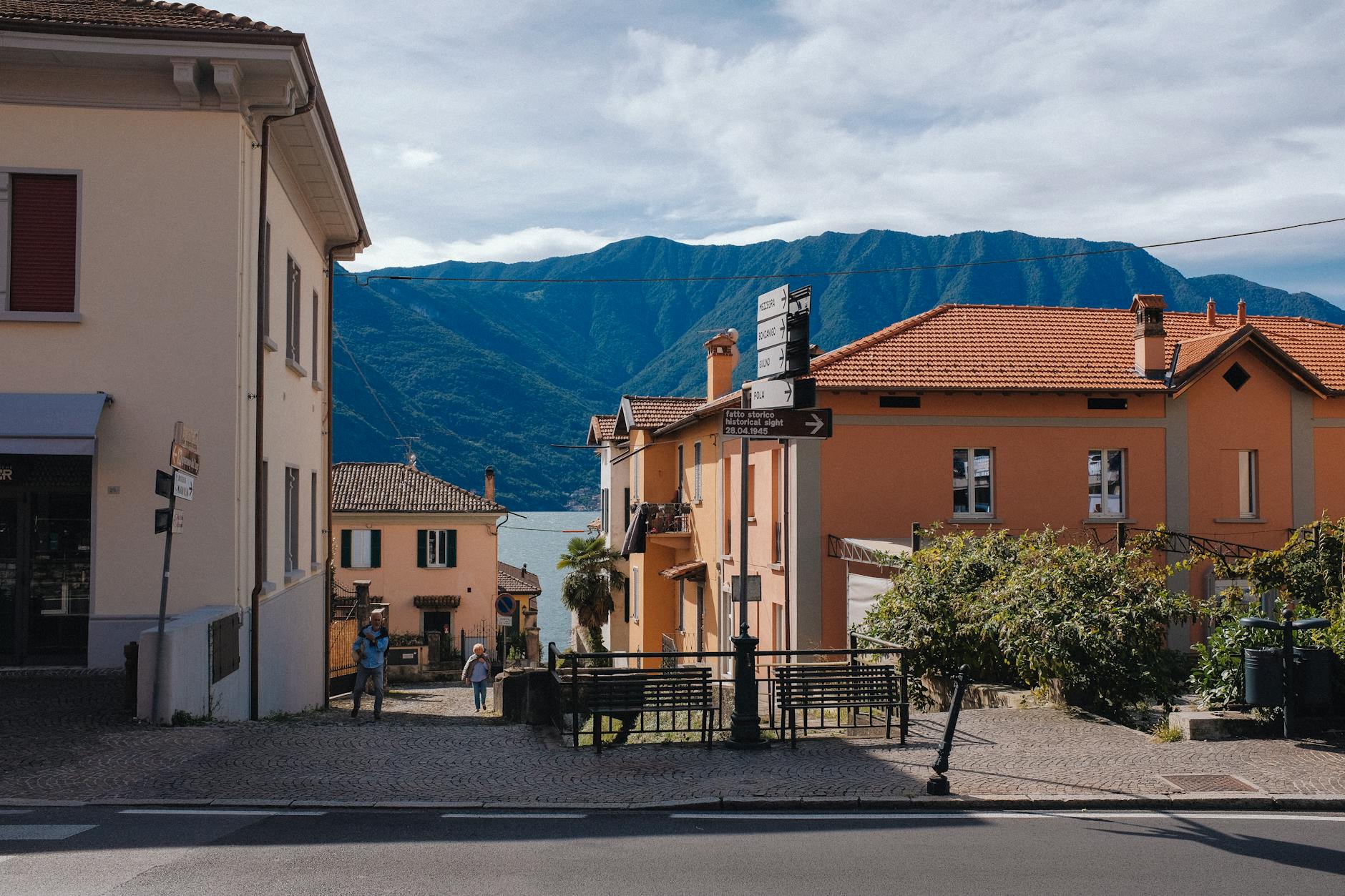
Navigating the prettiest towns in Italy requires a bit of logistical preparation. Most of these locations are not well-served by major train lines, meaning you will likely need a rental car. Stick to the smallest car class available, as village streets are often barely wider than a single vehicle.
Stay overnight in at least one of these villages to experience the transition from day to night. Most tourists leave by 5:00 PM, leaving the narrow streets and public squares entirely to the locals. This is when you can find the most authentic dining experiences without waiting for a table.
Common Mistakes to Avoid
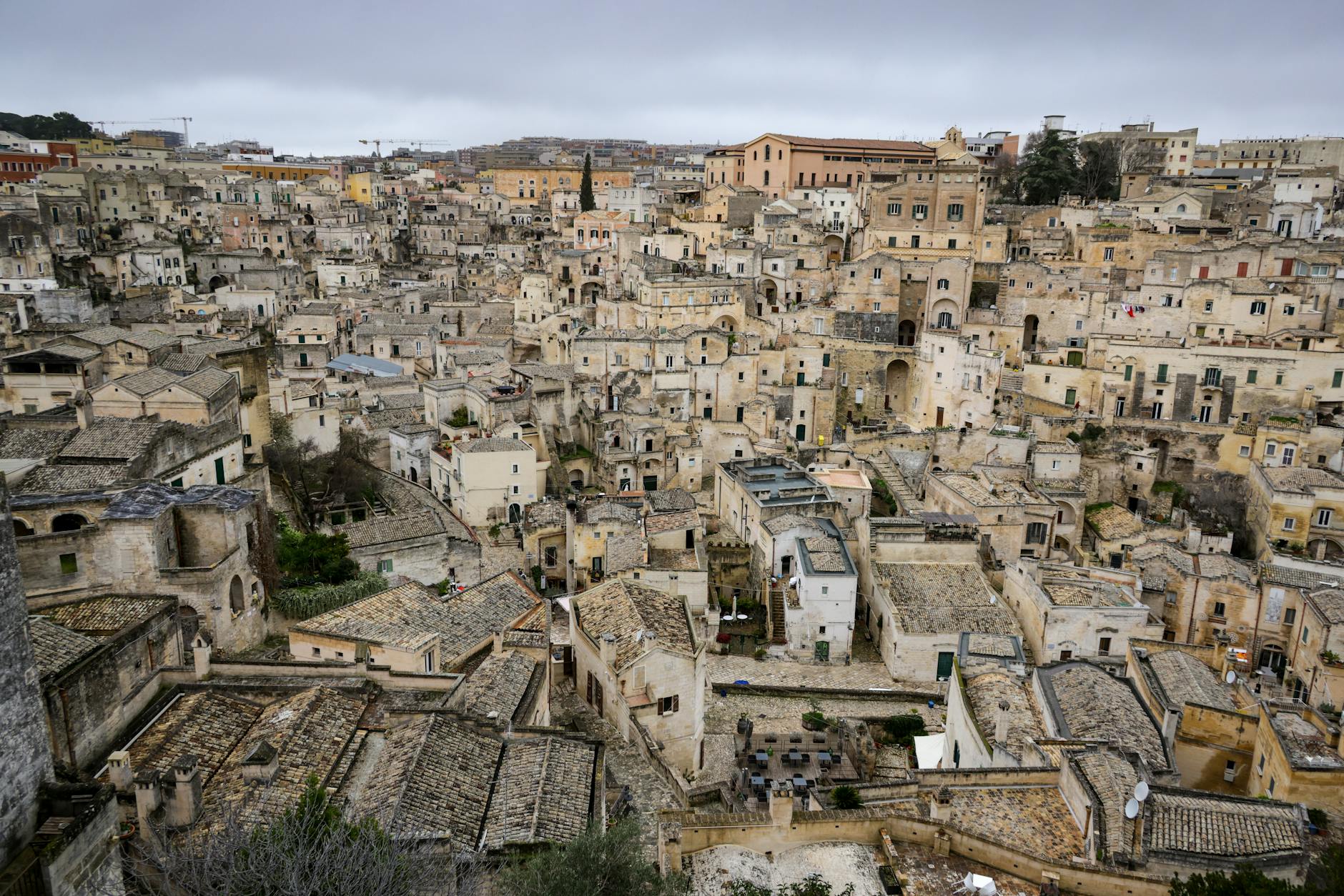
Trying to visit too many towns in one day
Many travelers pack three or four villages into a single itinerary, leaving only time for a quick photograph. You will enjoy your experience much more if you focus on one town per day, allowing time for slow walks and unplanned detours.
Underestimating travel time between locations
Google Maps often underestimates travel times on Italian backroads by 20% or more. Account for winding turns, agricultural traffic, and the time required to find parking outside the restricted traffic areas of the villages.
Ignoring restricted traffic zones
Most historic Italian towns have ZTL zones, or restricted traffic areas, where non-residents are fined for driving. Always look for the white signs with a red circle at the entrance of town and park in the designated lots outside the historic center.
Common Questions
What is the best way to travel between these small towns?
Renting a car is the most efficient method for reaching the prettiest towns in Italy. Public transport is unreliable in rural areas, and having your own vehicle allows you to visit multiple areas at your own pace.
Are these villages suitable for families with young children?
Yes, but be prepared for steep stairs and cobblestones which make strollers difficult to use. A baby carrier is a much better option for exploring these historic, often vertical, village layouts.
Do I need to speak Italian to navigate these areas?
You can get by with basic English, but learning a few polite phrases will go a long way. Locals in smaller towns appreciate the effort, and it often leads to better service in local shops.
Is it expensive to visit these towns?
These towns are generally more affordable than major tourist hubs like Rome or Venice. Expect to pay 25 to 40 Euro per meal and 80 to 150 Euro for mid-range accommodation (prices may vary – check before you go).
When is the quietest time to visit?
Late October and November offer the quietest experience, though the weather will be cooler. You will have a much easier time finding parking and restaurant seats compared to the summer months.
Your trip through the prettiest towns in Italy will provide a perspective on the country that most visitors miss. Take your time, enjoy the local pace, and review our essential packing list to ensure you have everything you need for your village travels.