
Packing for a family camping trip often results in overstuffed trunks and forgotten essentials. This ultimate camping packing checklist for families streamlines your preparation so you spend your energy enjoying the outdoors instead of hunting for misplaced gear. Quick version: Focus on layers, modular storage bins for meals, and a dedicated sleep system to ensure every family member stays warm, fed, and comfortable in the wild.
- Shelter: Waterproof tent with footprint and mallet.
- Sleep: Sleeping bags rated 10 degrees colder than the lowest forecast.
- Kitchen: Portable stove, fuel canisters, and nesting cookware.
- Safety: First aid kit, headlamps, and multi-tool.
- Clothing: Moisture-wicking base layers and extra wool socks.
Shelter and Sleeping Systems
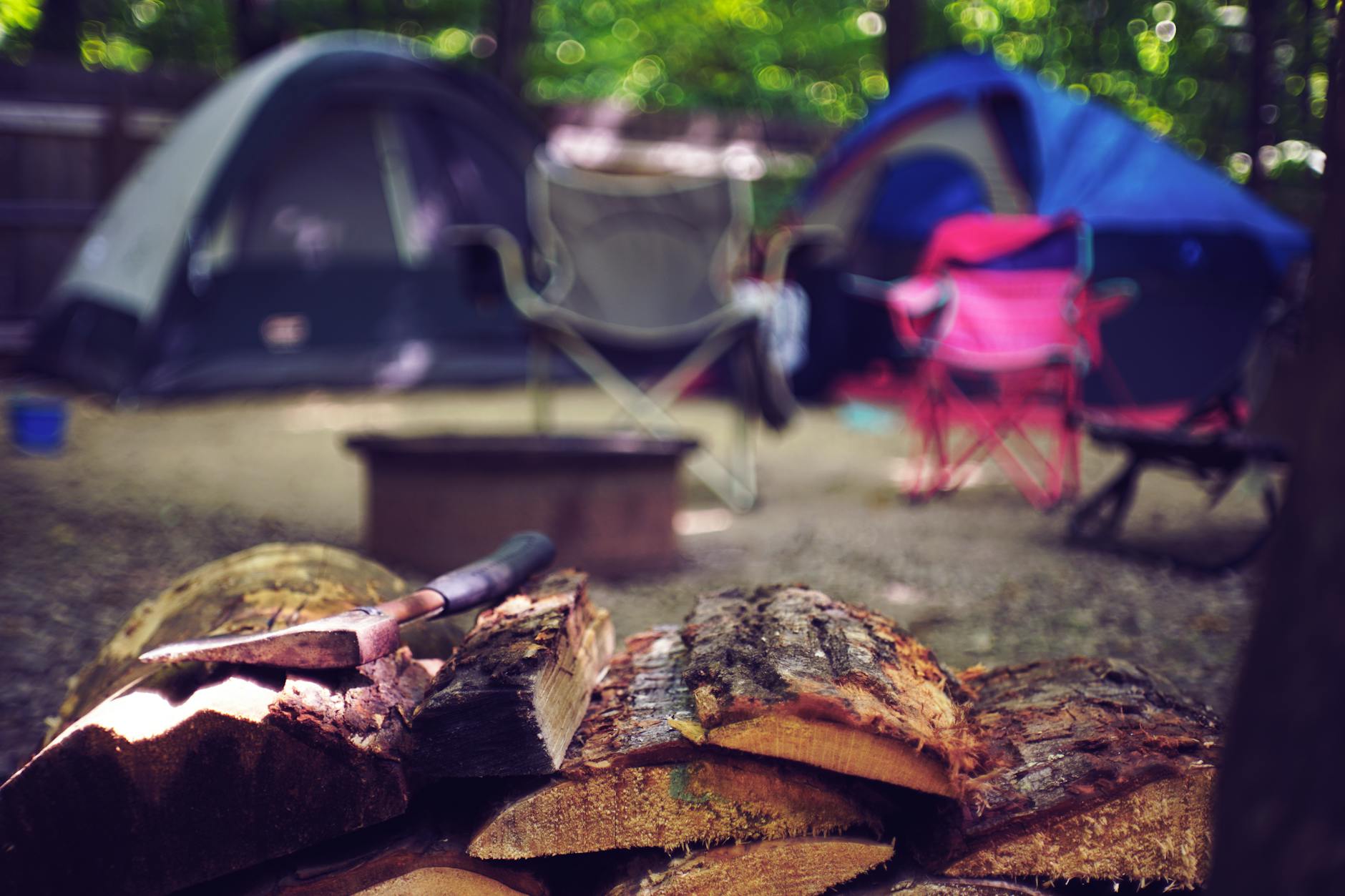
Your tent is the foundation of a successful trip. Select a tent with a capacity rating two people higher than your actual family size to allow room for gear. Always pack a ground tarp or footprint to protect the tent floor from moisture and sharp rocks.
Sleeping on the ground requires serious insulation. Use high-quality inflatable pads rather than basic foam mats to prevent the cold earth from sapping your body heat. Ensure every sleeping bag is rated for the specific local climate, and pack an extra fleece blanket for each child for unexpected temperature drops.
How do you organize food for a family camping trip?

Organizing food effectively prevents the chaos of searching for missing ingredients while hungry. Use clear, stackable plastic bins categorized by meal type, such as breakfast, dinner, and snacks. Keep a separate, spill-proof cooler for refrigerated perishables, and always freeze gallon jugs of water to use as ice packs that double as drinking water once melted.
Pre-prep as many ingredients as possible at home to minimize the amount of equipment needed at the campsite. Chop vegetables, crack eggs into leak-proof containers, and measure dry ingredients into individual baggies. This reduces cleanup time significantly and keeps your outdoor cooking station tidy throughout your stay.
Clothing and Personal Gear
Weather in the wilderness shifts rapidly, regardless of the season. Dress everyone in three distinct layers: a moisture-wicking base layer, an insulating fleece middle layer, and a waterproof outer shell. Avoid cotton at all costs, as it holds moisture and keeps you cold once it gets wet.
Pack two pairs of sturdy, closed-toe hiking shoes for every person. If one pair gets soaked in a stream, you’ll have a dry backup ready for the next morning. Include a dedicated bag for dirty laundry to keep the clean items smelling fresh inside your tent.
Lighting and Safety Essentials

Reliable lighting is non-negotiable for family safety after sunset. Provide every family member with their own headlamp rather than relying on a single lantern. This allows children to navigate to the restroom or find items in their bags without assistance.
Your first aid kit should be customized for common wilderness mishaps. Include high-quality adhesive bandages, antiseptic wipes, tweezers for splinters, and plenty of moleskin for blisters. Keep this kit in a visible, central location where every adult knows how to find it instantly.
Maintaining Hygiene in the Outdoors

Keeping clean while camping prevents irritability and skin irritation. Pack biodegradable soap, quick-dry microfiber towels, and plenty of wet wipes for easy cleanup after hikes. Use a hanging toiletry bag to keep essentials off the ground and away from dirt.
Always bring a dedicated bag for trash to ensure you leave the site cleaner than you found it. Follow strict Leave No Trace principles to keep the environment healthy for future visitors. If you are staying in a remote area, carry a small shovel for burying waste properly according to local guidelines.
Common Camping Packing Mistakes

Ignoring the Test Run
Setting up your tent and testing your stove in the backyard before your trip ensures you aren’t missing parts. You don’t want to discover a broken pole or an empty fuel canister once you are miles away from civilization. Spend an hour in your yard to verify every piece of gear functions perfectly.
Overpacking Heavy Items
The weight of your gear matters significantly when you have to carry it from the car to the site. Focus on lightweight, multi-purpose items that serve more than one function. A sturdy pot can boil water for coffee and cook pasta for dinner, eliminating the need for extra cookware.
Forgetting Backup Power
A dead phone battery might seem minor, but it prevents you from checking weather alerts or accessing digital maps. Bring a high-capacity portable power bank that can charge multiple devices at once. Keep it inside your sleeping bag at night to protect the battery from freezing temperatures.
Practical Planning for Success
Selecting the right family-friendly campsite involves checking for proximity to clean water and level ground. Book your spot at least three months in advance if you plan to travel during peak summer weekends. Research the local wildlife and pack appropriate storage containers to keep your food secure from curious animals.
Common Questions
How many layers of clothing should I pack per person?
Aim for at least three full sets of base layers plus one mid-layer and one outer shell. This allows you to rotate clothes if one set gets damp or soiled during your activities.
What is the best way to keep kids entertained at the campsite?
Focus on nature-based activities like scavenger hunts, bird watching, or star mapping. Bring a few small, durable toys that work well in the dirt, such as magnifying glasses or plastic shovels.
Should I bring a pillow from home?
Bringing a full-sized pillow from home is a great way to improve your sleep quality. If space is limited, use a compressible camping pillow that mimics home comfort while packing down to the size of a water bottle.
What is the most important safety item to bring?
A comprehensive first aid kit is the most critical item. Ensure it includes items for minor cuts, burns, and insect bites, along with any necessary personal medications for your family members.
Preparation is the secret to a stress-free family camping experience. By using this ultimate camping packing checklist for families, you gain the confidence to handle any challenge the wilderness throws your way. Gather your gear, check the weather, and get ready for a memorable time in the great outdoors.