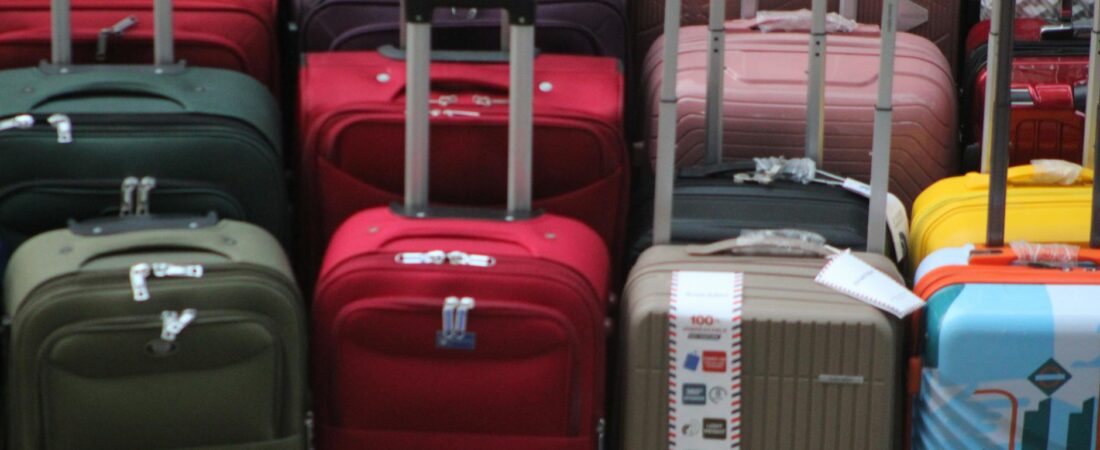
Packing for a summer trip to Europe feels like a constant battle between wanting to look great and needing to stay under airline weight limits. Most travelers bring double what they actually wear, dragging heavy suitcases across cobblestone streets while missing out on the ease of light travel. Quick version: You need a versatile capsule wardrobe, comfortable walking shoes, and a modular tech setup to master your European summer.
- Ideal luggage: One 40L carry-on backpack + one personal item.
- Daily budget for gear: $50–$100 to fill gaps locally.
- Essential tip: Pack fabrics that dry overnight like merino wool or synthetic blends.
- Strategy: Follow the 5-4-3-2-1 rule (5 tops, 4 bottoms, 3 accessories, 2 pairs of shoes, 1 jacket).
How do you pack for a two-week European summer trip?

To pack effectively for a two-week European summer trip, you should prioritize a capsule wardrobe consisting of breathable, wrinkle-resistant fabrics. Stick to a neutral color palette so every top matches every bottom, allowing for at least ten distinct outfit combinations. Pack base layers for humidity, one lightweight outer shell for rain, and ensure your footwear is broken-in before your departure date.
The Essential Clothing Capsule
Europe in the summer requires clothing that handles both intense heat and sudden afternoon thunderstorms. Focus on high-quality materials like linen or moisture-wicking blends that survive frequent washing. Avoid heavy denim, which takes days to dry and occupies significant space in your bag.
Aim for five shirts, two pairs of trousers, two pairs of shorts, and one skirt or dress. These items cover you for dinners, museum visits, and long days of sightseeing. Always bring one light sweater or cardigan for cooler evenings, especially if you head toward Scandinavia or the northern coast.
Choosing the Right Footwear
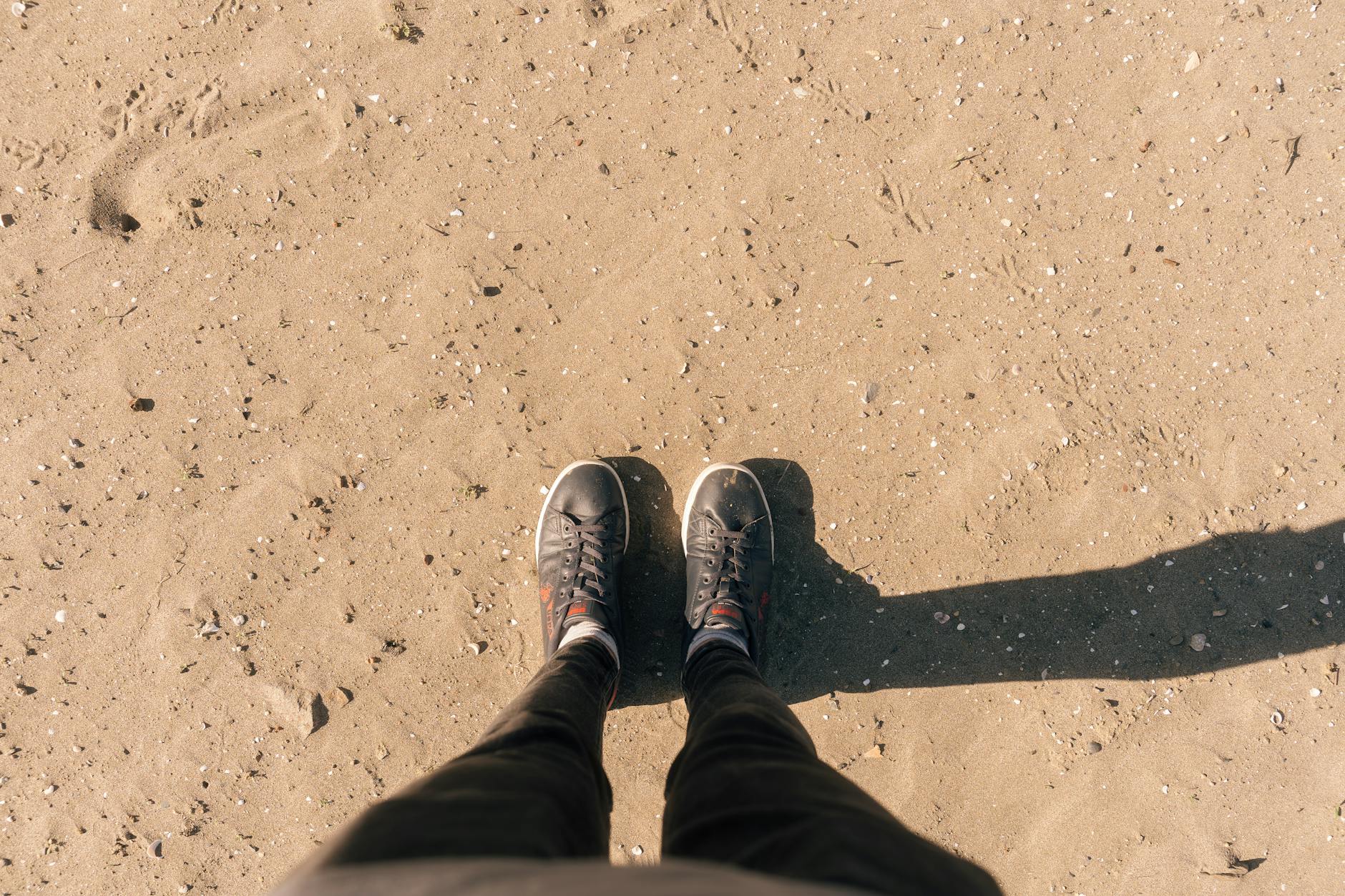
Your shoes represent the most critical part of your Europe packing list for summer 2026. You will likely walk five to ten miles per day on uneven stone paths. Leave the heavy boots at home and bring one pair of high-quality walking sneakers with arch support.
Add one pair of versatile sandals that can transition from a casual lunch to a nice dinner. Ensure both pairs are already broken-in to prevent blisters during your first week. If you plan on visiting national parks or hiking trails, consider a pair of lightweight trail runners instead of heavy hiking boots.
Managing Toiletries and Health
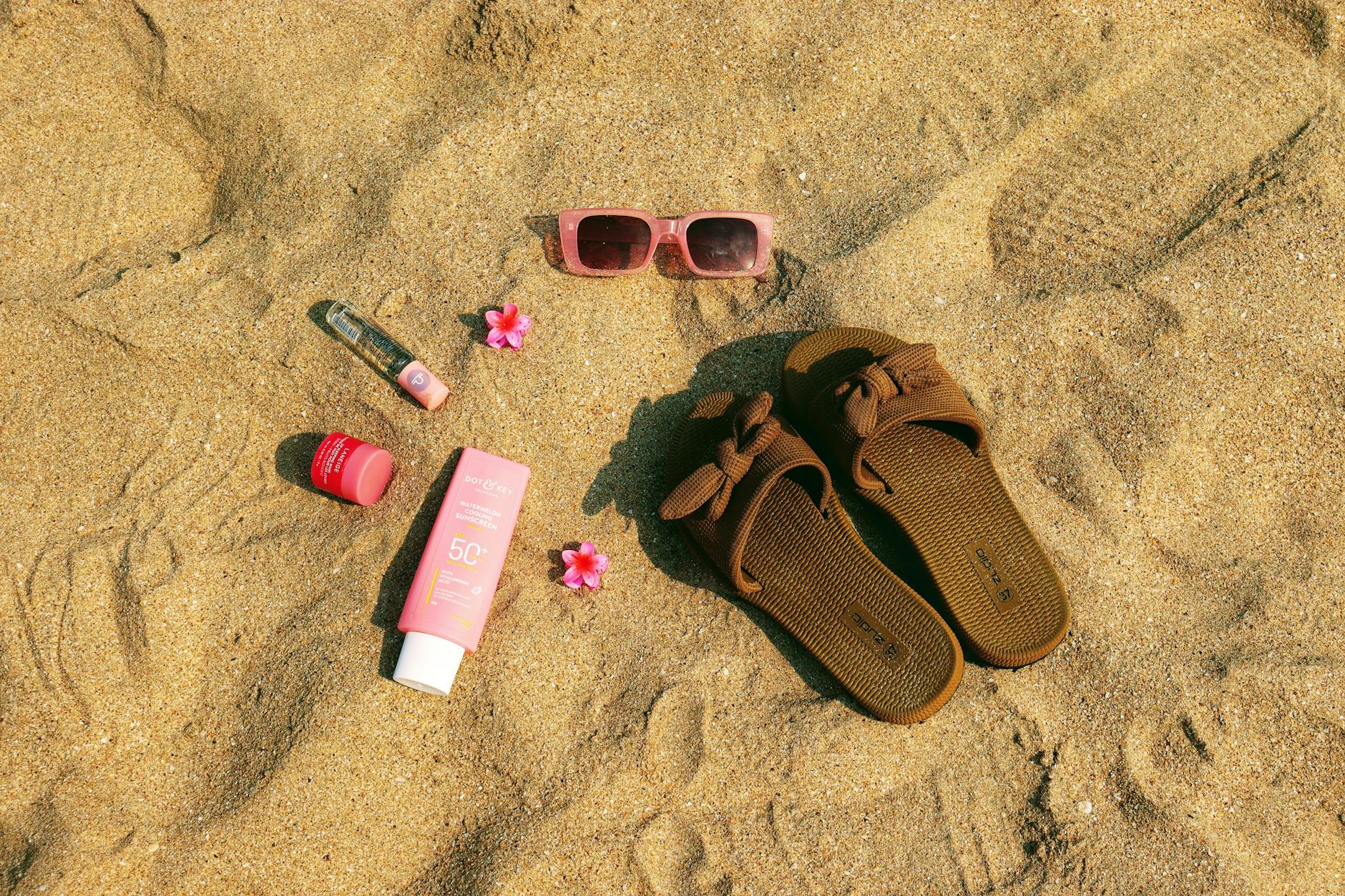
European pharmacies carry many of the same brands you find at home, so do not overpack liquids. Bring travel-sized containers under 100ml for your essentials and buy full-sized shower products once you arrive. This saves weight and prevents potential leaks inside your bag.
Include a basic first-aid kit with blister bandages, pain relievers, and any personal prescriptions you require for the trip. If you wear contacts, pack enough for the duration plus a week of extras. Check out this guide on essential travel health kits for more specific recommendations on what to carry.
The Tech and Connectivity Kit
Digital organization keeps your trip stress-free when navigating new transit systems. You need a universal power adapter that covers multiple plug types, as outlets vary between countries. Pack a portable power bank with at least 10,000mAh capacity to keep your phone charged during long days of using maps.
Keep all your cables organized in a small pouch to prevent tangling. If you use a camera, carry two memory cards so you have a backup if one fails or fills up. For more ideas on staying connected, look at these digital nomad gear essentials that work for any traveler.
Common Packing Mistakes to Avoid

Many travelers pack for a “what if” scenario that never happens. If you find yourself holding an item and saying you might need it, take it out of your bag. You can buy almost anything locally if a true emergency arises.
Another common error is bringing too many electronics. Unless you work while traveling, your smartphone handles navigation, photography, and translation perfectly well. Avoid heavy laptops or tablets if you can manage your bookings and emails on a mobile device instead.
Finally, ignore the impulse to pack a different outfit for every single day. Most accommodations offer laundry services or coin-operated machines nearby. Plan to wash your clothes once halfway through your trip to keep your luggage weight manageable.
Common Questions

What is the most important item for a summer trip to Europe?
A high-quality pair of walking shoes is the most important item. You will spend hours on your feet, and uncomfortable footwear ruins even the best travel plans.
How do I handle the heat when traveling in Europe?
Focus on natural, breathable fabrics like linen and cotton. Stay hydrated, carry a reusable water bottle, and plan your outdoor activities for the early morning or late afternoon.
Do I need a formal outfit for European dinners?
Most European cities are casual, but a simple, elevated outfit works for nice dinners. A dark pair of trousers or a simple dress is enough for almost any restaurant.
Are there any items I should leave at home?
Leave behind heavy hair dryers, thick denim, and excessive amounts of jewelry. Most hotels provide decent hair dryers, and you want to keep your belongings lightweight.
Preparation makes all the difference when you arrive at your destination. By sticking to this Europe packing list for summer 2026, you ensure your focus stays on the sights instead of your heavy bags. Start your travel planning process early to avoid last-minute stress.