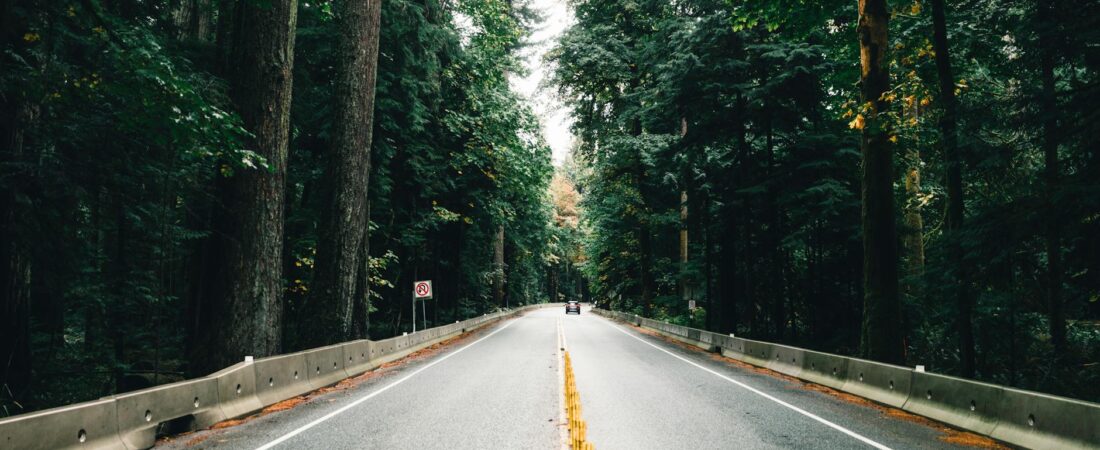
Summer in the Pacific Northwest transforms gray skies into endless golden hours and temperate days perfect for coastal exploration. You might struggle to choose between lush rainforests and jagged mountain peaks, but this guide streamlines your planning process. Quick version: You’ll find the best PNW summer travel itineraries focused on Olympic National Park, the Oregon Coast, and the San Juan Islands for a perfect summer escape.
- Best Months: July through early September.
- Daily Budget: $150 – $250 per person (mid-range).
- Ideal Trip Length: 7 to 10 days for a regional loop.
- Language: English.
- Pro Tip: Book your campsite or lodge reservations at least six months ahead to avoid sold-out status.
Why Choose the Pacific Northwest for Summer Travel?
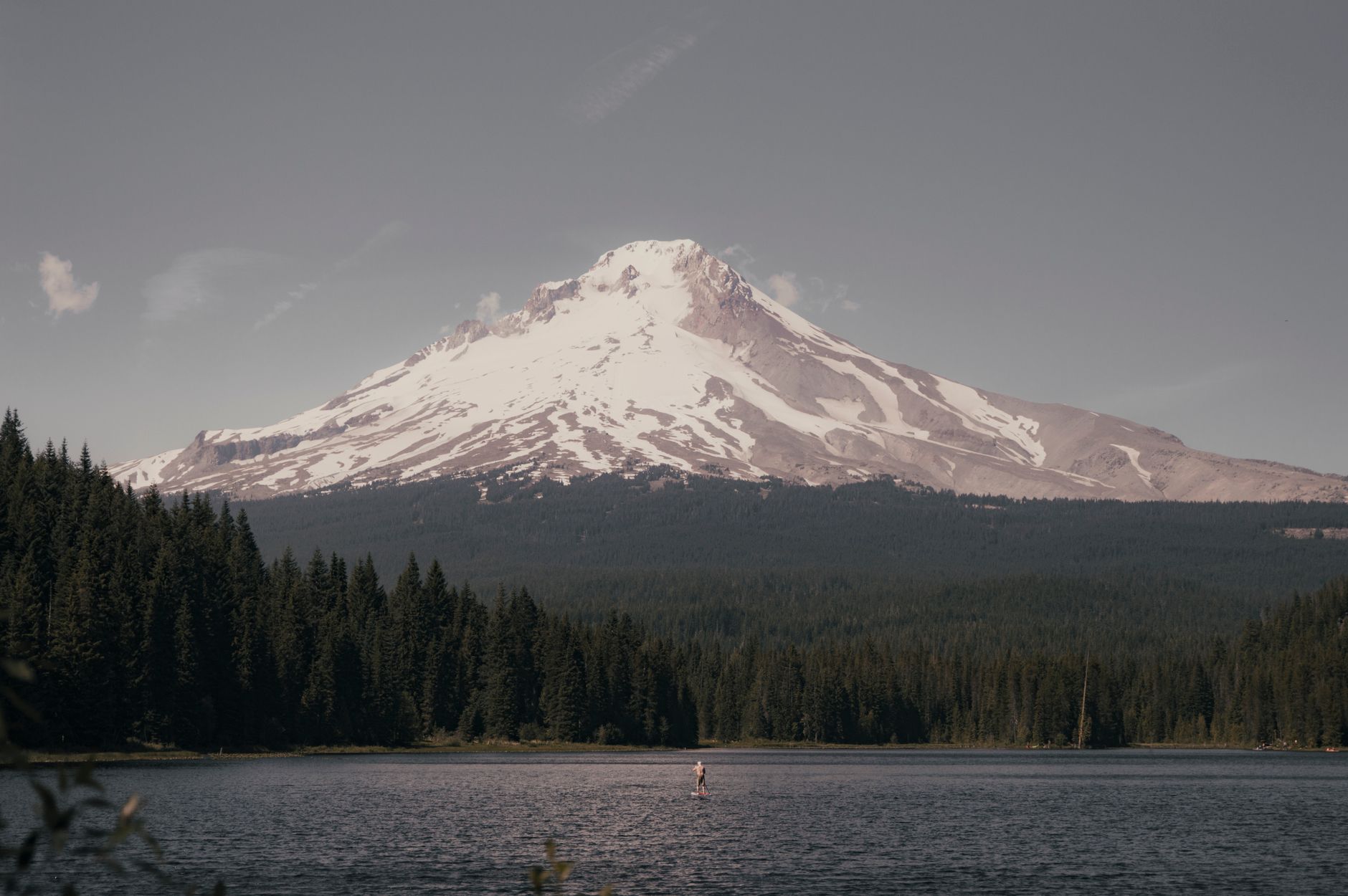
The Pacific Northwest offers a rare combination of accessible wilderness and modern city comforts that stay cool even in the heat of July. You gain access to diverse biomes ranging from temperate rainforests to alpine meadows without needing to travel across multiple continents. This PNW summer travel experience provides consistent outdoor adventure opportunities that remain comfortable for hiking, kayaking, and coastal road trips.
Olympic National Park: A Diverse Wilderness Loop
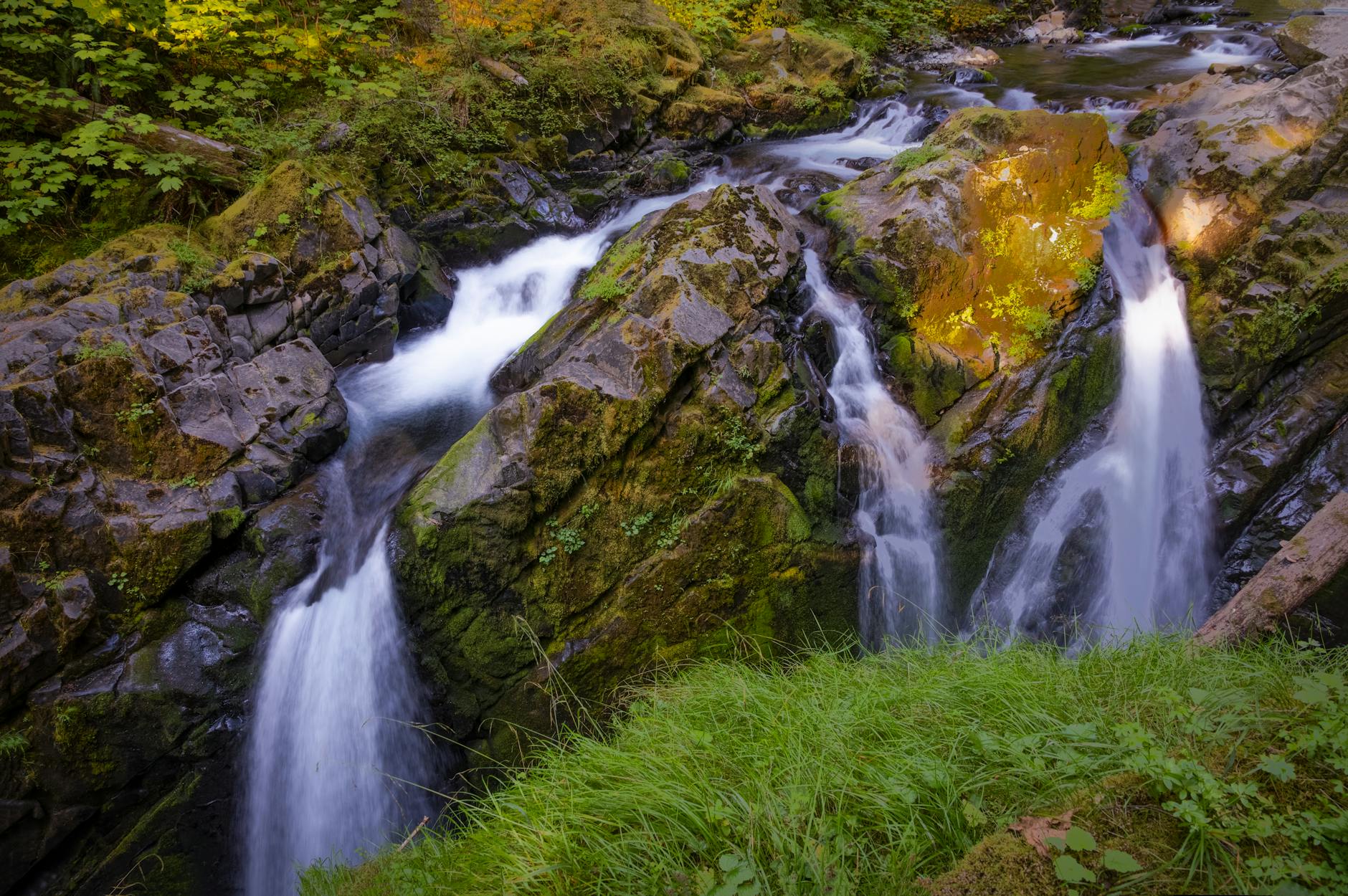
Olympic National Park remains the crown jewel of Washington because it packs three distinct ecosystems into one manageable loop. You should start at the Hoh Rain Forest to walk the Hall of Mosses, then head toward the rugged coastline near La Push. The massive driftwood logs and sea stacks provide the quintessential PNW aesthetic you see on postcards.
How do you plan a trip to Olympic National Park in summer?
To plan a successful summer trip to Olympic National Park, you must prioritize early morning starts to avoid parking congestion at popular trailheads. Spend at least three full days covering the coast, the rainforest, and the alpine ridges of Hurricane Ridge. Pack layers, as temperatures often drop significantly once you gain elevation or approach the ocean breeze.
Exploring the Oregon Coast Highway
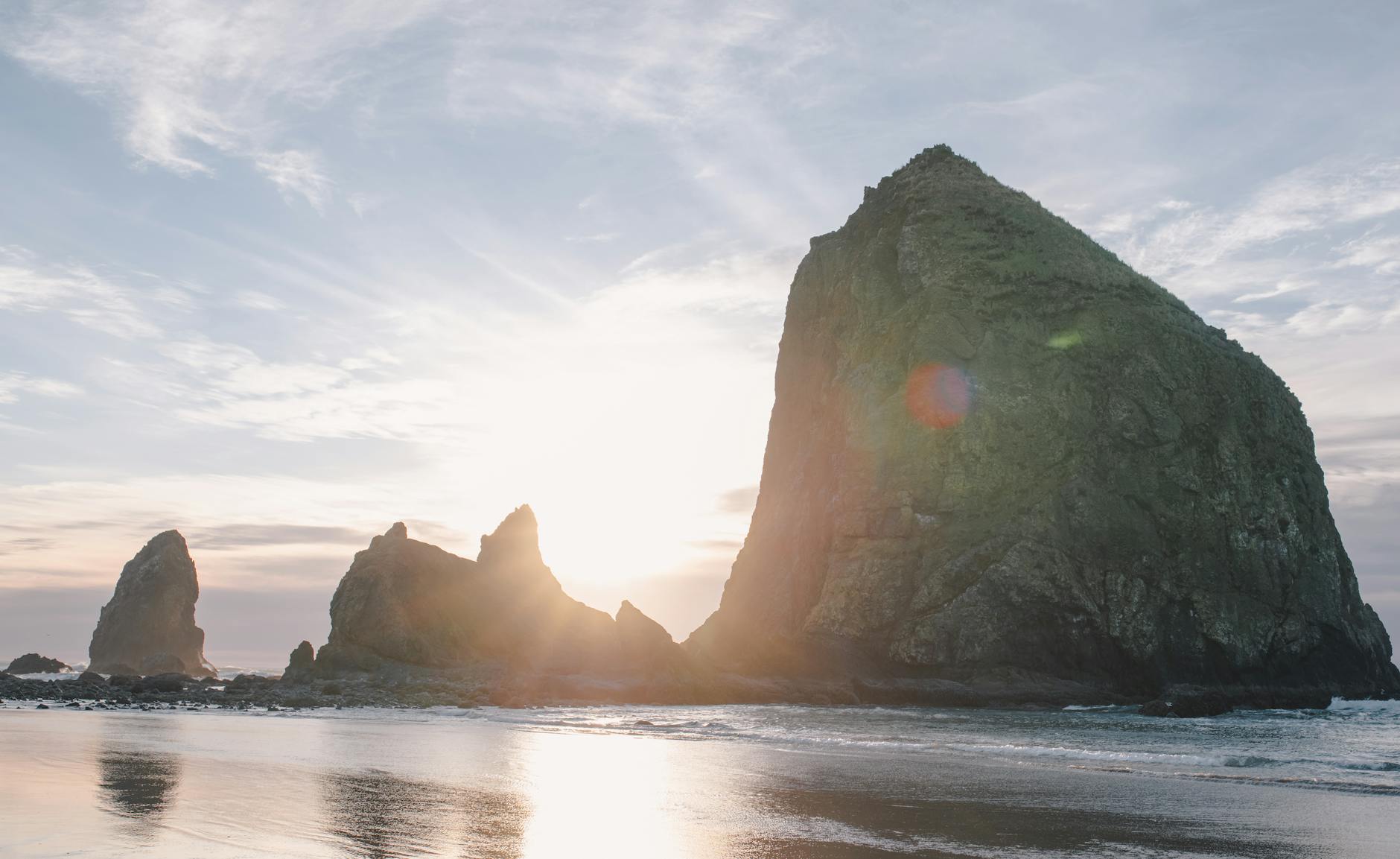
Driving Highway 101 along the Oregon coast gives you access to dramatic cliffs and sandy beaches that feel miles away from the city. Stop at Cannon Beach to see Haystack Rock, but consider driving further south to Bandon for fewer crowds and equally impressive rock formations. You will find that the northern coast offers more amenities, while the southern coast excels in raw, untouched scenery.
You can easily spend four days driving from Astoria down to the California border. Make sure to stop at the Oregon Dunes National Recreation Area to experience sandboarding or take a guided off-road tour. It’s an essential stop for anyone seeking active coastal vacation ideas during the warmer months.
San Juan Islands: Marine Life and Island Hopping
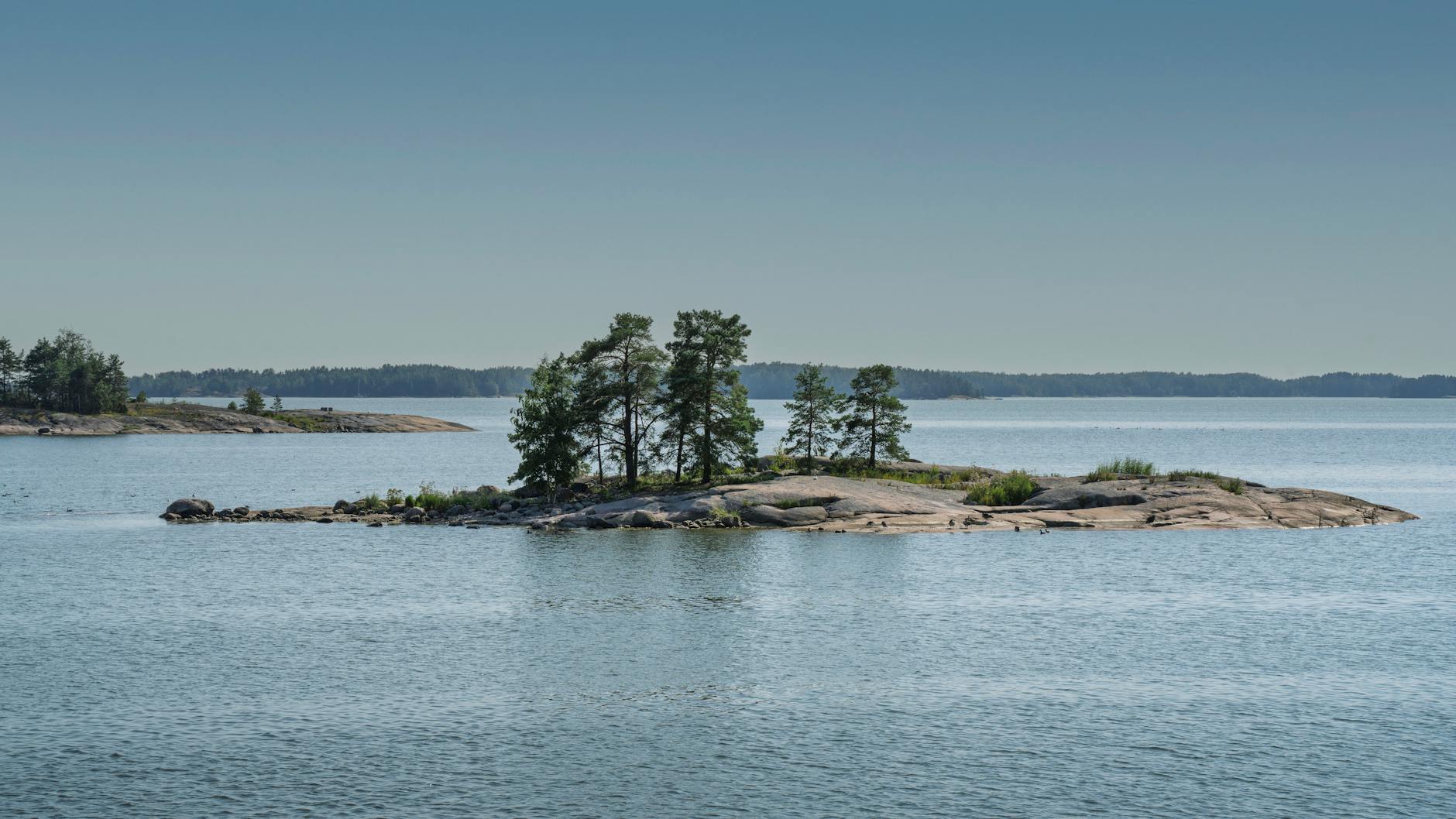
The San Juan Islands offer a unique archipelago experience where you can spot orcas from the shore or via a ferry deck. You should base yourself on San Juan Island or Orcas Island for the best access to whale watching tours and sea kayaking. The ferry system is your primary mode of transit, so keep your schedule flexible to accommodate potential wait times.
Practical Planning for Your PNW Adventure
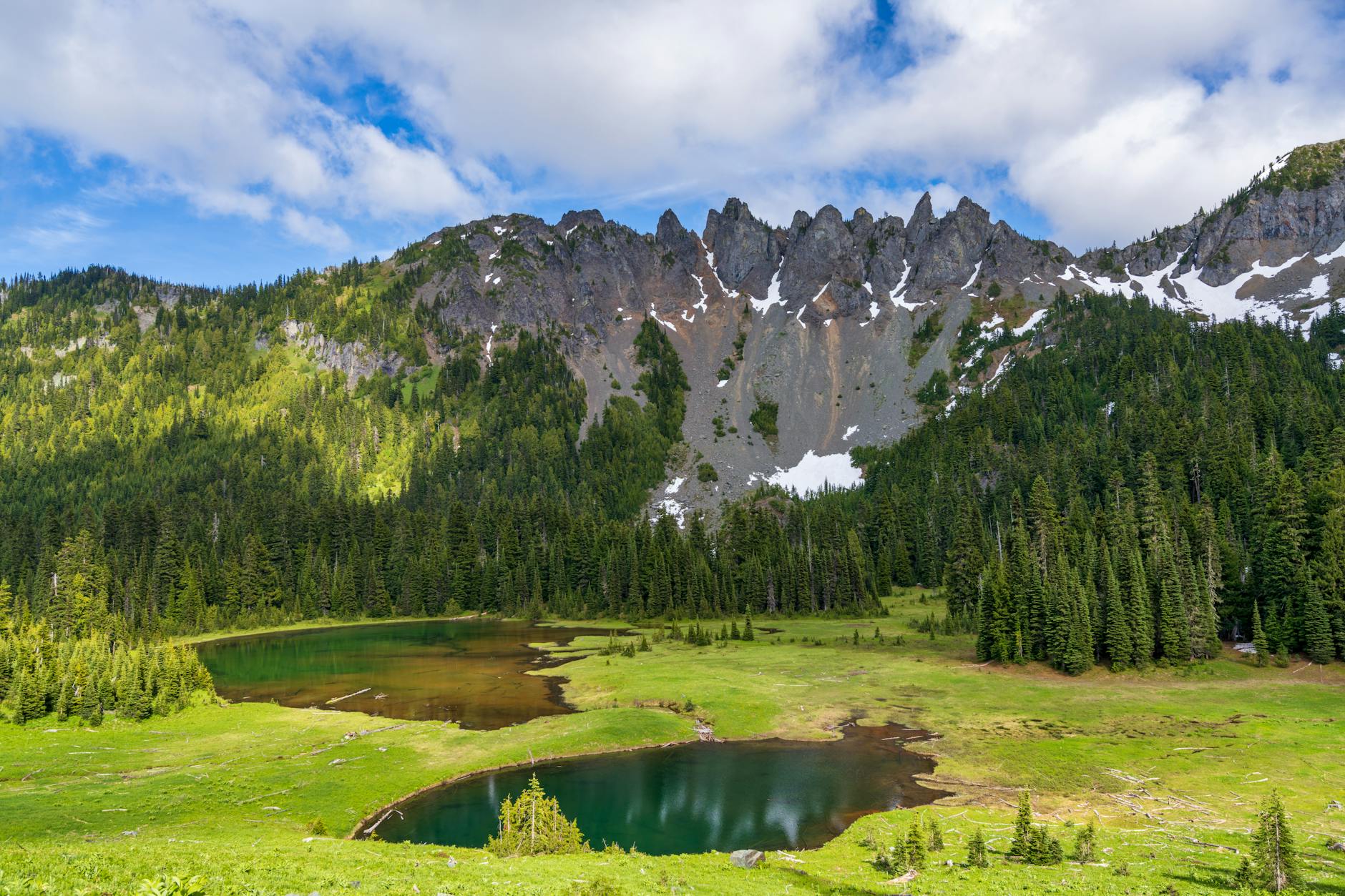
Choosing where to stay depends on your need for proximity to nature versus urban convenience. Seattle and Portland serve as excellent hubs if you want to balance city dining with day trips to nearby mountains. However, if you want a true getaway, look for cabin rentals near Port Angeles or Cannon Beach.
Getting around requires a rental car unless you plan to stay strictly within the city centers. Public transit exists in the major hubs, but it won’t help you reach the trailheads or remote coastlines effectively. For a smooth trip, consider downloading the AllTrails app to track your hikes and monitor trail conditions in real-time.
Common Mistakes to Avoid
Underestimating Drive Times
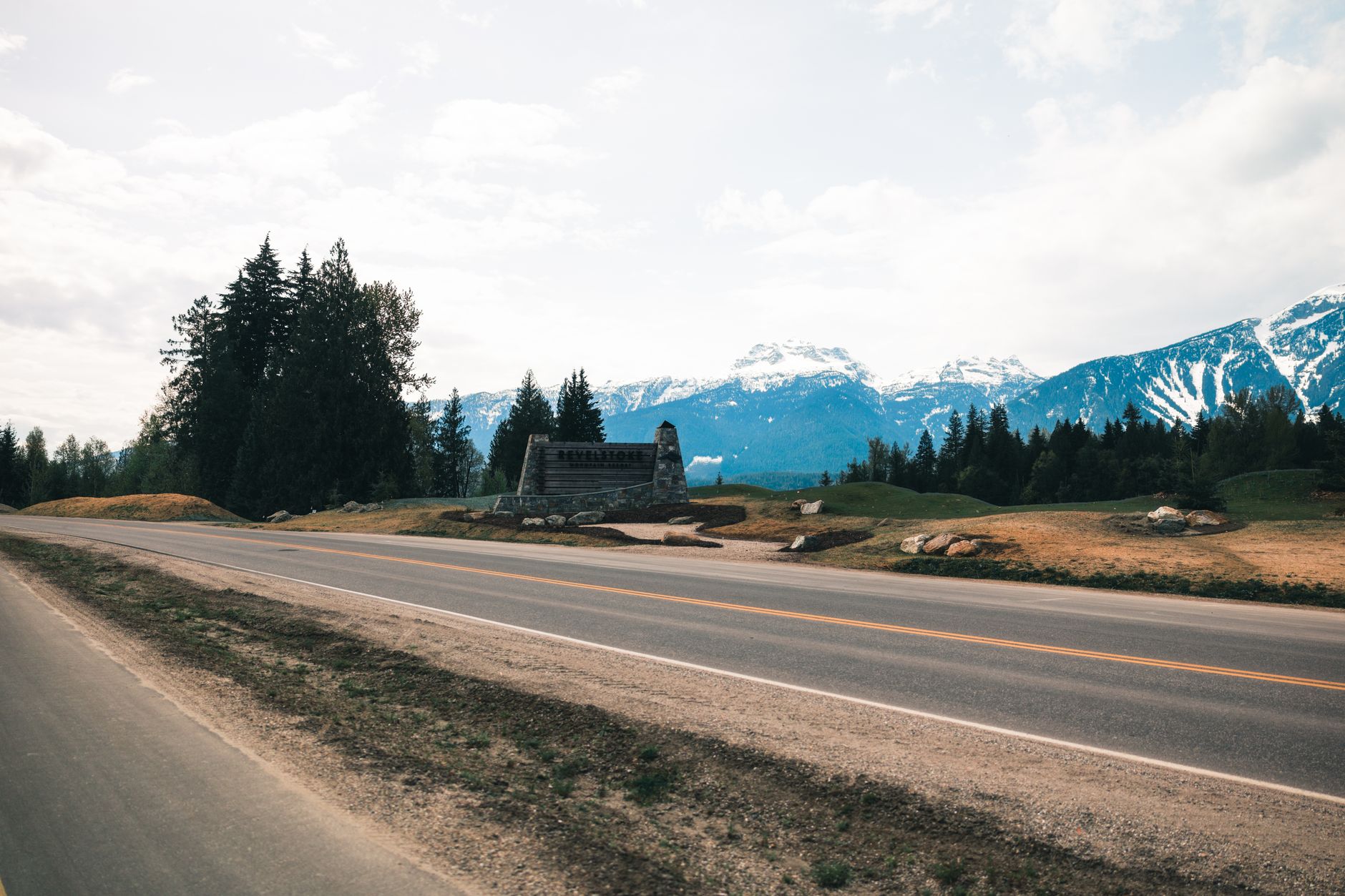
Never rely on distance alone when calculating your travel time in the region. Winding mountain roads and ferry wait times often double the time you expect to spend behind the wheel. You should always add an extra hour to every long-distance transit plan.
Ignoring Weather Variability
Summer in the PNW doesn’t guarantee sunshine every single day. Even in August, you can encounter mist, light rain, or sudden temperature drops near the water. Always pack a lightweight waterproof jacket, regardless of the forecast.
Over-Scheduling Your Days
Many travelers try to see too much in a single week and end up spending more time in the car than on the trail. Pick one primary region to explore thoroughly instead of trying to cover the entire coast and the mountains in one trip. Effective trip planning requires you to leave space for spontaneity.
Common Questions

What is the best way to see the PNW in summer?
The best way to experience the region is by renting a car and focusing on a specific corridor, such as the Olympic Peninsula or the Oregon Coast. This allows you to set your own pace and reach trailheads that are impossible to access via public transportation.
Do I need a pass for national parks in the PNW?
Yes, most national parks in the region require an entrance fee or an America the Beautiful pass. You should purchase your pass online or at the entrance station to ensure smooth entry during the busy summer months.
Are the islands worth the extra travel time?
The islands are absolutely worth the effort for travelers seeking marine wildlife and a slower pace of life. The ferry ride itself is a scenic highlight, and the unique microclimates on the islands offer a different experience than the mainland coast.
What should I pack for a summer trip to the PNW?
You should pack moisture-wicking layers, sturdy hiking shoes, a reliable waterproof rain shell, and comfortable walking shoes. Even in the height of summer, the evenings near the ocean or in the mountains feel quite cool, so a light fleece or sweater is necessary.
Your journey through the Pacific Northwest promises a perfect mix of dense forest trails and expansive coastal horizons. By focusing on your preferred region and planning your transit ahead of time, you’ll make the most of your summer exploration. Use this travel checklist to ensure you have everything packed for your upcoming PNW adventure.